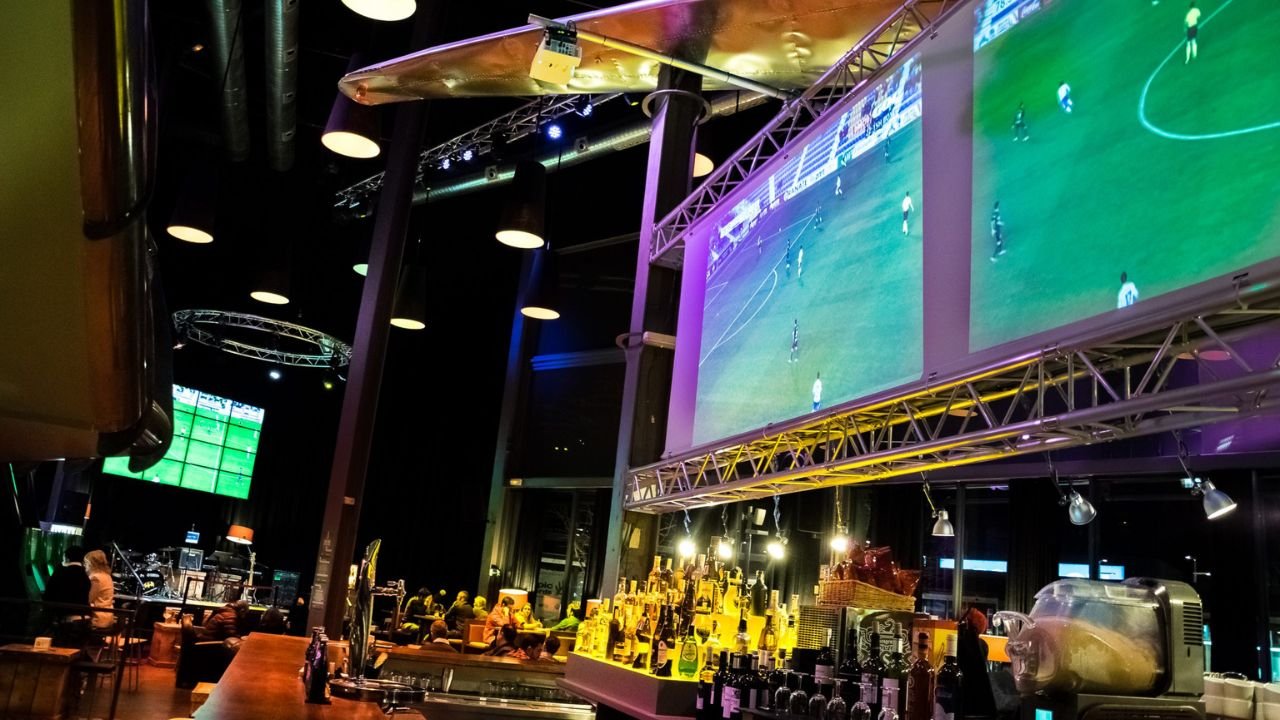
Cancún, Quintana Roo — For many bars and restaurants in Cancún and all along the Riviera Maya, the 2026 FIFA World Cup was supposed to be a much-needed sales boost. Instead, it has arrived with an unexpected expense that could keep smaller establishments from showing matches at all.
The National Chamber of the Restaurant and Seasoned Food Industry (Canirac) confirmed that businesses have been notified of mandatory fees for legally broadcasting World Cup matches in commercial spaces. According to the chamber, base rates start at 15,000 pesos, around $750 USD, for smaller venues and increase depending on the size and capacity of the establishment.
Perla Flores Navarro, president of Canirac Cancún, said the fee structure has caught many restaurant owners off guard.
“It’s a reality that will affect the restaurant sector. We didn’t foresee it, and now many establishments will have to analyze whether they can afford it,” she said.
The timing is difficult. Before receiving notice of the fees, many restaurants had been planning World Cup promotions, contests, themed menus, and viewing parties. The goal was to increase average customer spending by up to 15% during the tournament, which runs from June 11 to July 19, 2026. For a sector still struggling with a slow first half of the year, that kind of lift matters.
According to Canirac indicators, restaurant performance during the first half of 2026 has been about 30% below 2025 levels. Sales have only shown clear improvement on specific dates such as Valentine’s Day and Mother’s Day.
Now, many business owners are being forced to redo the math.
For larger sports bars, hotels, and high-volume restaurants, the licensing cost may be easier to absorb. For small cafés, neighborhood restaurants, taquerías, and family-run bars, the minimum fee alone could be too high to justify, especially if they only expect a modest bump in sales.
Showing the matches without authorization is not a simple workaround. FIFA tightly protects its broadcast rights, trademarks, logos, mascots, official phrases, and sponsor-related imagery. In Mexico, the Mexican Institute of Industrial Property, known as IMPI, is expected to carry out inspections in commercial areas, including tourist zones, to detect unauthorized transmissions or illegal use of World Cup branding.
That means a restaurant cannot simply put the game on using a personal streaming subscription and promote it as a World Cup event. If a business is using the tournament to generate sales, attract customers, or create a themed promotion, it may need authorization and could face penalties if it uses protected signals or official tournament elements without permission.
The rules also affect advertising. Businesses that do not pay for the commercial package will need to be careful with their promotions. Generic soccer language may be safer, but using official FIFA logos, team branding, tournament names, mascots, or sponsor-style language could create legal exposure.
The issue is not limited to Quintana Roo. Across Mexico, authorities have been warning restaurants, bars, hotels, entertainment venues, tourism businesses, and retailers to review how they use World Cup-related content. Profeco has also launched a verification and surveillance operation tied to the tournament, with attention on pricing, promotions, advertising, consumer information, and potential misleading claims connected to the event.
Canirac is trying to soften the impact for members by offering a 7% discount on TV service subscriptions and working with municipal, state, and federal authorities on a recovery plan to boost formal consumption in the destination.
For customers, the result may be a more uneven World Cup viewing scene than expected. Larger establishments will likely move ahead with official broadcasts and full event programming. Smaller places may scale back, avoid showing matches, or stick to non-branded soccer-themed offers.
For the restaurant sector, the World Cup still represents an opportunity. But for many small businesses, the cost of joining the party legally may be higher than they expected.
More Business
- Playa del Carmen Taps HR Directors to Boost Local Hiring
- Hospital O’Horán Performs First Robotic Appendix Surgery; Patient Treated Free of Charge
- Mexico Hoteliers Warn of 1.1 Million Air Tourist Loss as U.S. Arrivals Slump
- Cadillac Launches Escalade-V ‘Checo’ Pérez Edition in Mexico for 4.1 Million Pesos
- Mattel Unveils Barbie Día de Muertos 2026 Doll Inspired by La Catrina
More Cancun
- Moderna COVID-19 Vaccine to Be Offered to Children in Cancún
- Paraguayan Tourists Challenge Asur Over $30 Exit Fee at Cancún Airport
- Caribbean Poker Tour Closes 2026 Season in Sint Maarten With $125,000 Main Event
- Canine Unit Finds 10 Kilos of Cocaine Hidden in Suitcase at Cancún Airport
- Cancún’s Route 17 Leona Vicario Draws More Than 16,000 Riders on First Free Day