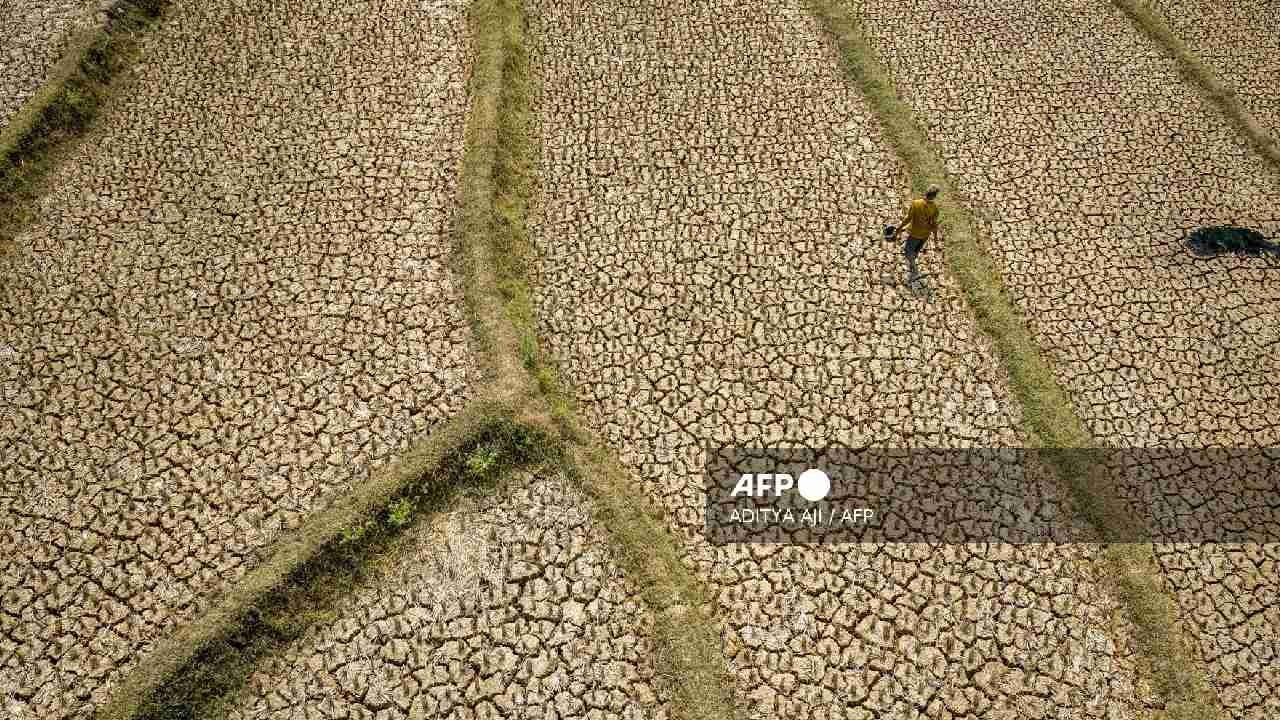
Geneva — The El Niño climate phenomenon represents a “major threat” to health worldwide, the World Health Organization warned, citing risks linked to extreme heat, heavy rainfall, flooding, droughts and other weather events.
The WHO says those conditions can worsen existing diseases, degrade air quality and fuel problems tied to food security and water access. They can also alter the distribution of mosquito-borne illnesses.
Forecast Points to a Very Strong Episode
The World Meteorological Organization reported in September that the episode has taken hold and will strengthen. Forecasts project very strong intensity by the end of 2026, with the possibility that it persists until February 2027.
Among the main risks identified are:
- Heat waves and above-normal temperatures
- Heavy rainfall and flooding
- Droughts and water availability problems
- Added strain on health systems
Preparing for El Niño’s Effects
The WHO recommends strengthening epidemiological surveillance, preparing health services and anticipating the needs of vulnerable populations.
The WMO notes that El Niño’s effects vary by region, prompting international authorities to call for reinforced prevention efforts and early warning systems.
More Environment
- Mexican Navy Opens Youth Photography Contest on Ocean Conservation
- Hurricane Polo Hits Category 5; Five Mexican States Brace for Heavy Rain
- Isla Mujeres Fishermen Face Grouper Shortage as Catch Barely Covers Local Demand
- Cancún Officials Urge Residents to Protect Pets After Reported Puma Sighting in Cuna Maya
- Playa del Carmen Beach Restoration Clears Environmental Hurdle, Mayor Says