
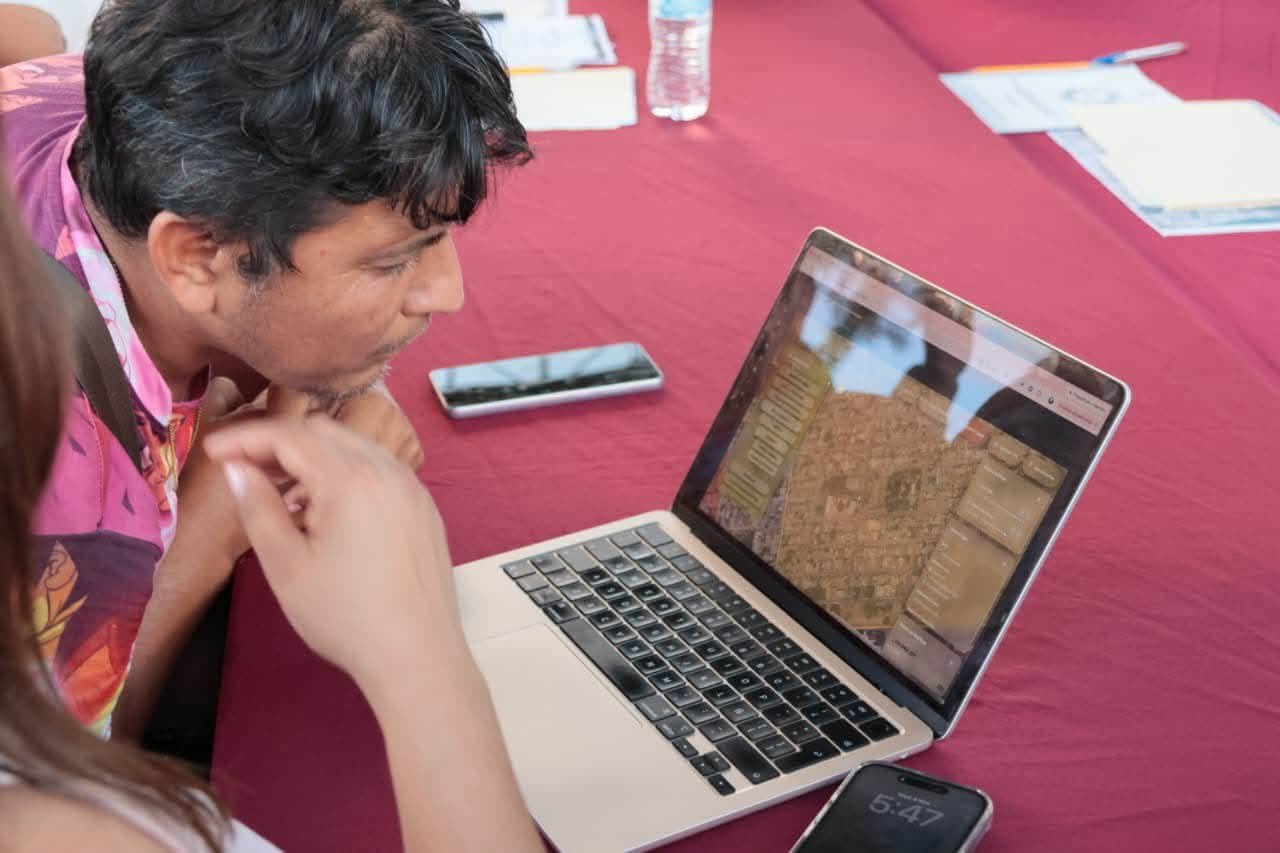
Cancún, Quintana Roo — Adopting advanced technology is no longer optional for the tourism industry but a strategic necessity, and the pace of innovation demands that the sector adapt immediately, said Carlos Drombo, a specialist in artificial intelligence applied to business, at the AFEET Trends Summit held in Cancún on November 3.
AFEET is the Mexican Association of Women Executives in Tourism Companies, and the gathering brought together speakers on current industry issues and businesswomen from a range of sectors.
Drombo illustrated the moment with a beachside analogy. “You’re facing the sea and you see a big wave coming from far away, and suddenly that wave is closer and closer, and before you know it, it’s going to wash over you. I say you have three paths: one is to run because you’re afraid, another is to try to stop it, and the other is to find a surfboard, get on it and start surfing it, enjoying it.”
The arrival of generative tools in late 2022 marked a fundamental shift, he said. Where technology once required programming skills, interaction in natural language now closes gaps in key areas such as finance, marketing and market research.
Rather than replacing the human factor, Drombo said, artificial intelligence makes personalization easier. For travelers who want to avoid repeating destinations, these tools allow companies to micro-segment audiences and deliver targeted messages within seconds, always keeping the person at the center.
He also said digital strategy should follow the full tourism cycle — from initial inspiration and search to the stay and the memory travelers share afterward — and that understanding each stage is decisive for targeting advertising and closing sales.
On security and digital crime, Drombo stressed the need for constant prevention, again using an everyday comparison. “I always use the example of a knife: we all use a knife at home, it’s a great tool if we use it well, but a knife can also kill. So it depends on the use we want to give it, which is why it’s so important to stay up to date, to know and at least be able to distinguish between what is made with AI and what is real, and to have communication codes within our close circles.”
Treating artificial intelligence as a strategic ally will let the tourism sector seize opportunities for innovation and respond firmly to the emerging challenges of the digital era, he concluded.
More Business
- Semarnat Approves Club 8 Beach Club in Puerto Morelos With Strict Environmental Conditions
- Tourism Firms Cut Costs and Borrow to Survive 2026, AFEET Says
- Cancún Medical Tourism Holds Steady With 25,000 Foreign Patients
- Estefanía Mercado Brings Permit Services to Businesses in Puerto Aventuras
- Mexico Air Traffic Rises 1.7% in August as Domestic Travel Grows, but US Routes Fall 6.1%
More Cancun
- Quintana Roo Keeps Free Winter Vaccination Drive Running in All 11 Municipalities
- Cancún to Host More Than 500 Dancers From 21 Countries for Pump It Up Championship
- Cancún Taxi Union Picks New Leadership Amid Financial Collapse and Criminal Case
- VIMA Foods Aims to Double Mexico Revenue to $140 Million in Five Years
- Mexican Caribbean Forecasts Winter Tourism Surge as Flight Seats Rise 24 Percent
