
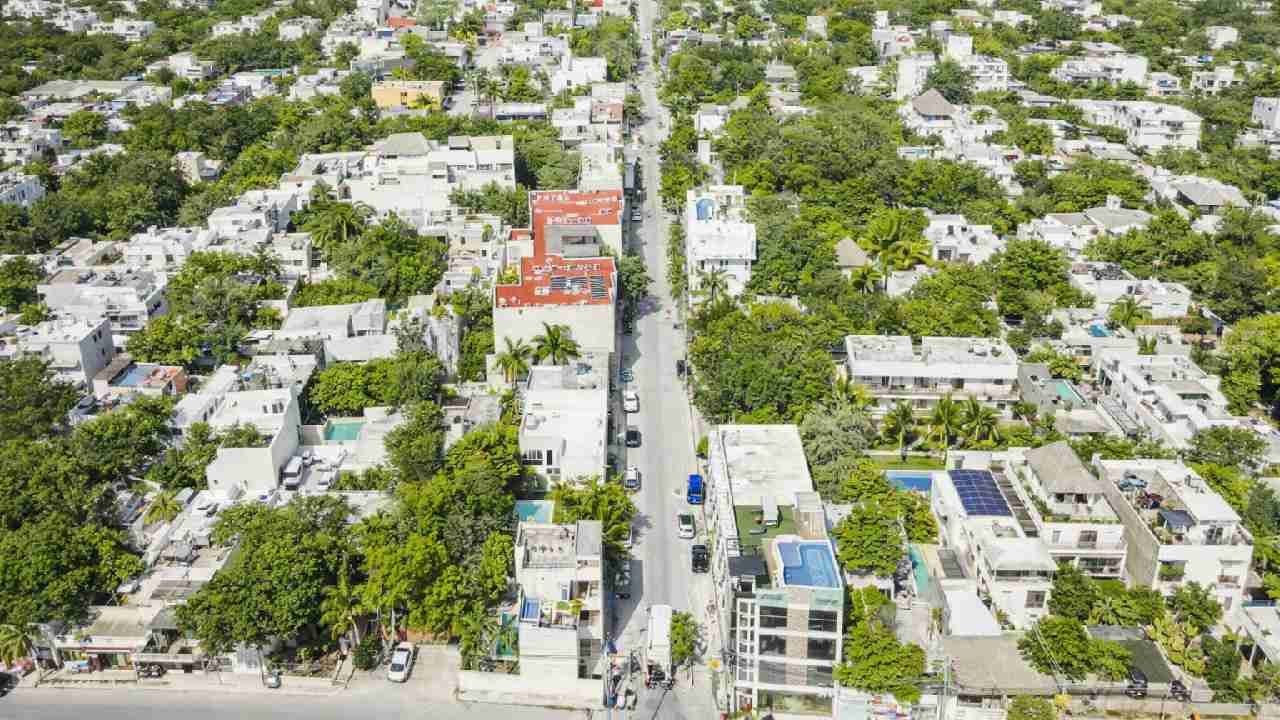
Tulum, Quintana Roo — The state’s Secretariat of Sustainable Urban Territorial Development (Sedetus) has announced two new road projects for the municipality of Tulum: a bypass and a coastal road pair, designed to ease congestion and support rapid growth in tourism, urban development, and vehicle traffic.
Bypass Project Most Advanced
The bypass is the furthest along of the two proposals. It already has an executive project completed, and officials are working to acquire the necessary right-of-way. Sedetus, headed by José Alberto Alonso Ovando, said a key challenge was designing a route that minimizes environmental impact and avoids cenotes, sinkholes, and fractures in the subsoil.
Once the rights of way are secured, the project will require environmental studies and permits before construction starts. If all goes according to plan, the bypass could be finished within four to five years. Officials said it would reduce travel times and take pressure off existing roads.
Coastal Road Pair in Early Planning
The second project focuses on the coastal zone, where the current road is too narrow for smooth traffic during peak tourist seasons. The proposal includes a two-lane road with one lane in each direction. Additional pedestrian infrastructure may be added later, but that stage is still being developed.
The existing road cannot comfortably accommodate supply trucks and vehicles serving hotels and other businesses in the area at the same time.
Projects Respond to Tulum’s Growth
Both road projects are intended to meet the demands of Tulum’s expanding tourism and urban activity. Tulum is the ninth municipality of Quintana Roo. The bypass would create an alternative route for travel between Playa del Carmen and Tulum, while the coastal road pair would improve circulation within the coastal area.
Given its level of progress, officials expect the bypass to be built first. The coastal road pair still requires completion of its executive project.
More Development
- Cancún Brings Electricity to Three Popular Neighborhoods With 358 New Meters
- Quintana Roo Identifies 780 Irregular Settlements, Prepares Regularization Strategy
- Cozumel’s Reefs Get a 3D Map Divers Can Explore Before Entering the Water
- Mexico’s Environment Agency Rejects Four Major Tourism Projects in Quintana Roo
- Cozumel Officials Review Malecón Remodel Plans at Tourism Development Workshop
More Tulum
- Canada Drives Mexican Caribbean Demand for Final Quarter of 2026
- Tulum Fishing Cooperative Seeks Funds to Expand Facilities and Sustain 70 Families
- Tulum Tour Guides Train to Protect Ecosystems Visited by Tourists
- Airline Seat Cuts Threaten US Connections to Mexico’s Caribbean Coast
- Akumal Residents Say Tulum’s Garbage Collection Is Failing
