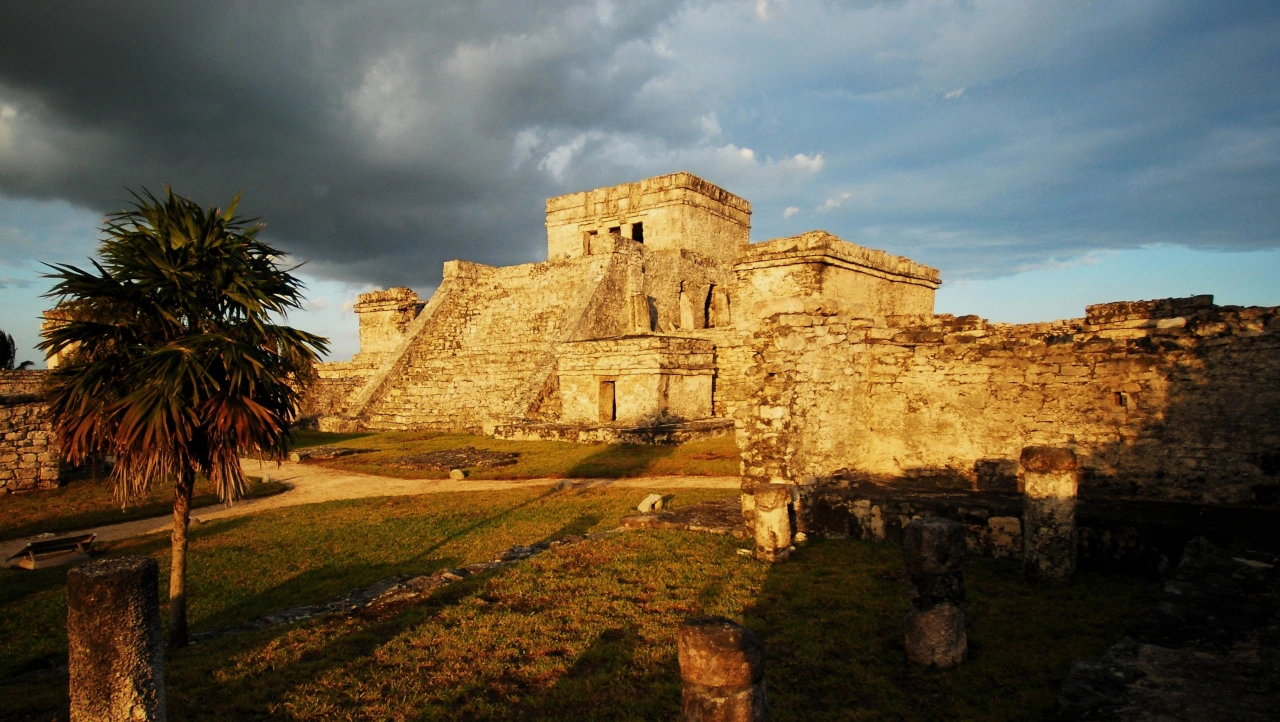
Tulum, Quintana Roo — The Tulum archaeological site generated more revenue for Mexico’s National Institute of Anthropology and History (INAH) in the first quarter of 2026 than any other site or museum under its administration, according to data obtained by Forbes Mexico.
INAH reported total income of 328.9 million pesos ($17.5 million) from ticket sales, concessions, parking, filming permits, and rentals across its 182 museums and archaeological zones. Tulum alone contributed 48.98 million pesos ($2.6 million), despite not ranking among the top three most visited destinations by international tourists.
The site, perched on cliffs above the Caribbean Sea, features structures from the Late Postclassic period (1250–1550 AD). Spanish explorer Juan Díaz first recorded the city in 1518, describing it as “as large as Seville.”
The National Museum of Anthropology in Mexico City ranked second, generating 45.34 million pesos ($2.4 million). With 45,000 square meters of exhibition space, it is the largest museum in Mexico and one of the most prominent worldwide.
Chichén Itzá, a UNESCO World Heritage site and one of the New Seven Wonders of the World, brought in 43.87 million pesos ($2.3 million). The ancient Maya city was a political and cultural powerhouse in its heyday.
Teotihuacán, which suffered an attack on one of its pyramids in April 2026, earned 37.88 million pesos ($2 million) from tickets and services.
The National Museum of History, housed in Chapultepec Castle, generated 31.82 million pesos ($1.7 million). The castle was rented by FIFA for a pre-World Cup event in 2026.
Top Revenue Sites Q1 2026
- Tulum Archaeological Zone: 48.98 million pesos (236,152 visitors)
- National Museum of Anthropology: 45.34 million pesos (1.38 million visitors)
- Chichén Itzá Archaeological Zone: 43.87 million pesos (598,748 visitors)
- Teotihuacán Archaeological Zone: 37.88 million pesos (445,099 visitors)
- National Museum of History, Chapultepec Castle: 31.82 million pesos (742,899 visitors)
More Tourism
- Tulum Hosts Nine US Universities and Team Mexico at NCAA Division II Golf Shootout
- Playa del Carmen Unveils Recycled-Plastic Lifeguard Tower at Playa 72
- Quintana Roo Warns Against Unchecked Hotel Growth as It Courts Brazil and Colombia
- Tulum Residents Identify Five Sites Where Homeless People Gather
- Chankanaab Park Eyed as Site for Cozumel’s First Dolphin Sanctuary
More Tulum
- Volaris to Suspend Tulum Airport Flights, Second Mexican Carrier to Pull Out
- Tulum Launches Credentialing Program for Parque del Jaguar Tourism Workers
- Proposed 351.80-Peso Non-Resident Fee Hike Threatens Tulum Tourism Recovery in 2027
- Cancún and Tulum Lose Air Traffic as Mexican Beach Destinations Cool Off
- Tulum Residents Demand Comprehensive Water Quality Study for La Veleta