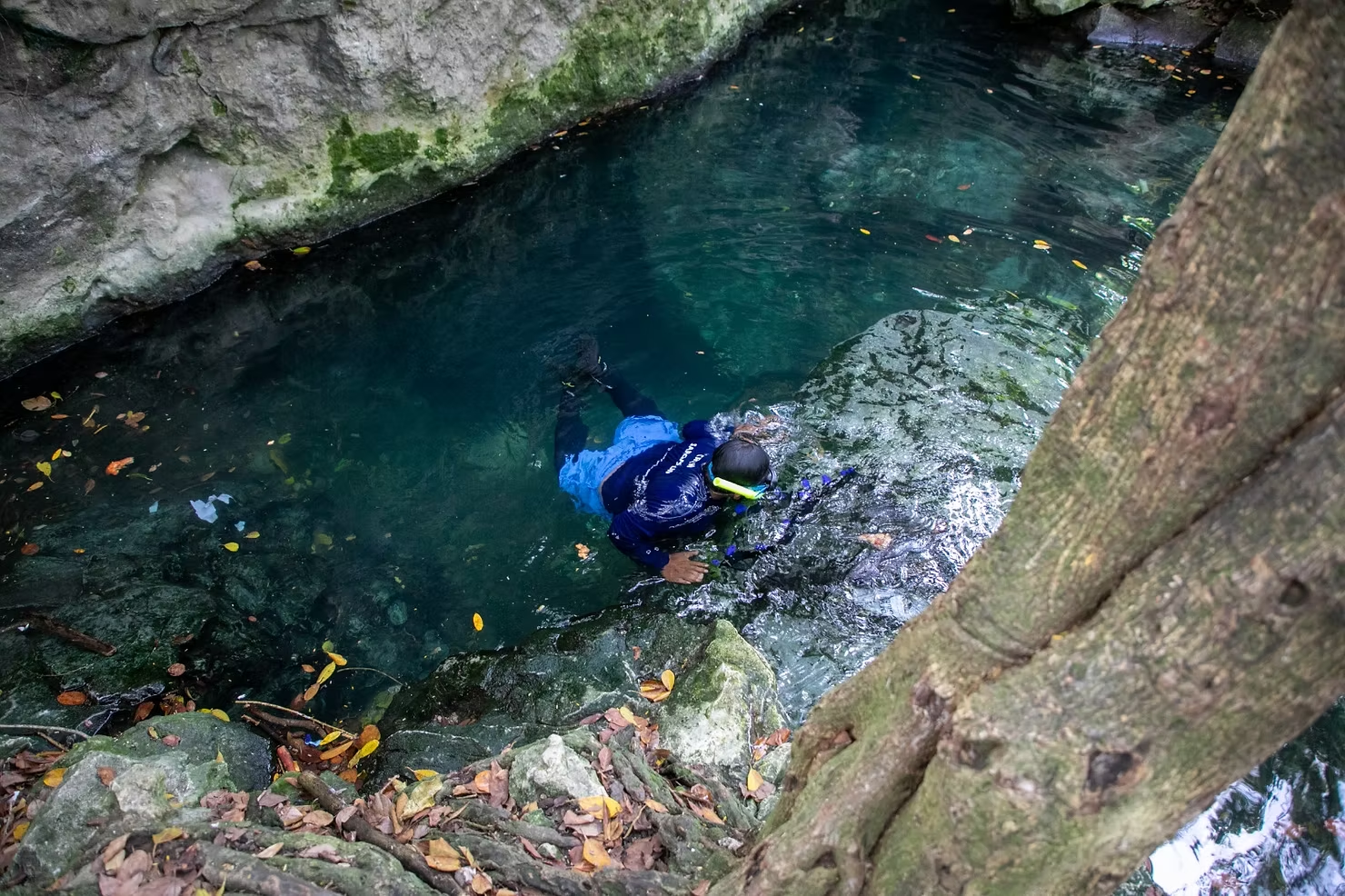
PLAYA DEL CARMEN, Quintana Roo — Cleanup crews and volunteers have removed more than seven tons of waste from 23 cenotes in Playa del Carmen as the city works to improve protection of the underground water system beneath its rapidly growing urban area.
The figures were presented during the fifth regular session of the municipal Committee for the Conservation and Sustainable Management of Caves, Caverns and Cenotes.
According to the municipal government, more than 500 residents and volunteers have participated in the cleanup program. The work has been carried out with the citizen-led Cenotes Urbanos organization and support from the private waste-management company Promotora Ambiental.
The city did not provide a site-by-site breakdown of the seven tons collected or specify the period covered by the total.
A connected underground system
Cenotes are openings into the limestone aquifer rather than isolated ponds. Water, pollutants and organic material can move through interconnected fractures and flooded cave passages, sometimes traveling well beyond the place where they first enter the ground.
That makes illegal dumping, untreated wastewater and construction debris more serious than a localized litter problem. Contamination entering one opening can affect groundwater elsewhere in the system.
This concern is supported by new scientific research focused specifically on Playa del Carmen. A study published in the August 15 edition of Environmental Research examined nine cenotes across areas with different levels of urban development.
Researchers found microplastics in every cenote tested. PFAS, a group of persistent synthetic chemicals, were detected only in urban cenotes, while sediments also contained varying concentrations of potentially toxic elements including cadmium, copper and arsenic.
The study found that the most urbanized sites carried the highest combined pollution loads. Researchers connected the pattern to rapid development and inadequate or absent wastewater treatment.
Removing bottles, tires and other solid waste cannot eliminate dissolved pollutants already moving through the aquifer, but it prevents more material from breaking down inside the cenotes and gives teams access to inspect the sites.
Citizen group maps what lies beneath the city
Cenotes Urbanos has spent years locating and documenting caves and water-filled cavities within Playa del Carmen. Many are concealed behind walls, beneath vacant lots or inside areas that have already been developed.
The organization is now working toward water-quality testing at approximately 100 urban caves and cenotes. It has also opened an anonymous reporting platform at reporte.cenotesurbanos.org for people who know of sites that have been filled, covered or damaged during construction.
Some discoveries occur only after excavation begins. One recent case involved “The Spot,” a clear-water cenote found during drainage work near the La Guadalupana neighborhood. The discovery renewed concern that developers may fail to report underground cavities or fill them to avoid delays and redesign costs.
City reviews outdated rules
Playa del Carmen formally installed the cenote and cave committee in June 2025. Its members include municipal officials, environmental organizations, cave specialists, businesses and other groups involved with groundwater and land development.
One of its central tasks is updating the existing municipal rules for activities in cenotes, caves and caverns. Officials have acknowledged that the current regulation does not adequately reflect Playa del Carmen’s geology or the scale of present-day development.
The municipality already has a Regulation for Activities in Cenotes, Caverns and Caves, but proposed revisions are expected to introduce clearer reporting requirements and sanctions for builders who conceal or fill underground features.
Committee members are also seeking stronger protections in the updated Urban Development Program. That could require caves and cenotes to be identified earlier in the planning and permitting process, before foundations, streets and drainage systems are designed.
Cleanup reveals what enters the water
Results from individual cleanups provide some indication of the material reaching these sites.
During an April operation at the cenote and mangrove at Punta Esmeralda, crews removed general garbage, broken glass, scrap metal, aluminum and plastic bottles. More than 37 kilograms of material came from the cenote alone, while additional waste was collected from the surrounding mangrove.
The committee’s latest meeting also included a stakeholder analysis intended to define the responsibilities of municipal departments, state and federal agencies, researchers, developers, businesses and community organizations.
The seven tons already removed show how much waste has accumulated below and around the city. The harder work will be preventing more from entering a connected aquifer that supplies water to Playa del Carmen and carries contamination far beyond the cenote where it was first discarded.
More Environment
- Drought Reaches All 11 Municipalities in Quintana Roo
- Horseshoe Crabs in Isla Mujeres Face Threat From Bait Fishing in Laguna Chacmuchuch
- Tulum Residents Demand Comprehensive Water Quality Study for La Veleta
- Tulum Circula Advises More Than 120 Businesses on Separating and Tracking Waste
- Yum Balam Management Review Must Include Chiquilá Ejido, Commissioner Says
More Playa del Carmen
- Playa del Carmen Beachgoers Denounce Charges of Up to 800 Pesos for Umbrellas and Lounge Chairs
- Three Men Sentenced to Up to 48 Years for Murder of Four Playa del Carmen Inspectors
- Punta Venado Caught Between New Hotels and the Calica Legal Fight
- Villas del Sol Downgraded to Yellow on Playa del Carmen Gender Violence Map
- Prosecutors Rescue Teen Girl From Alleged Labor Exploitation in Playa del Carmen