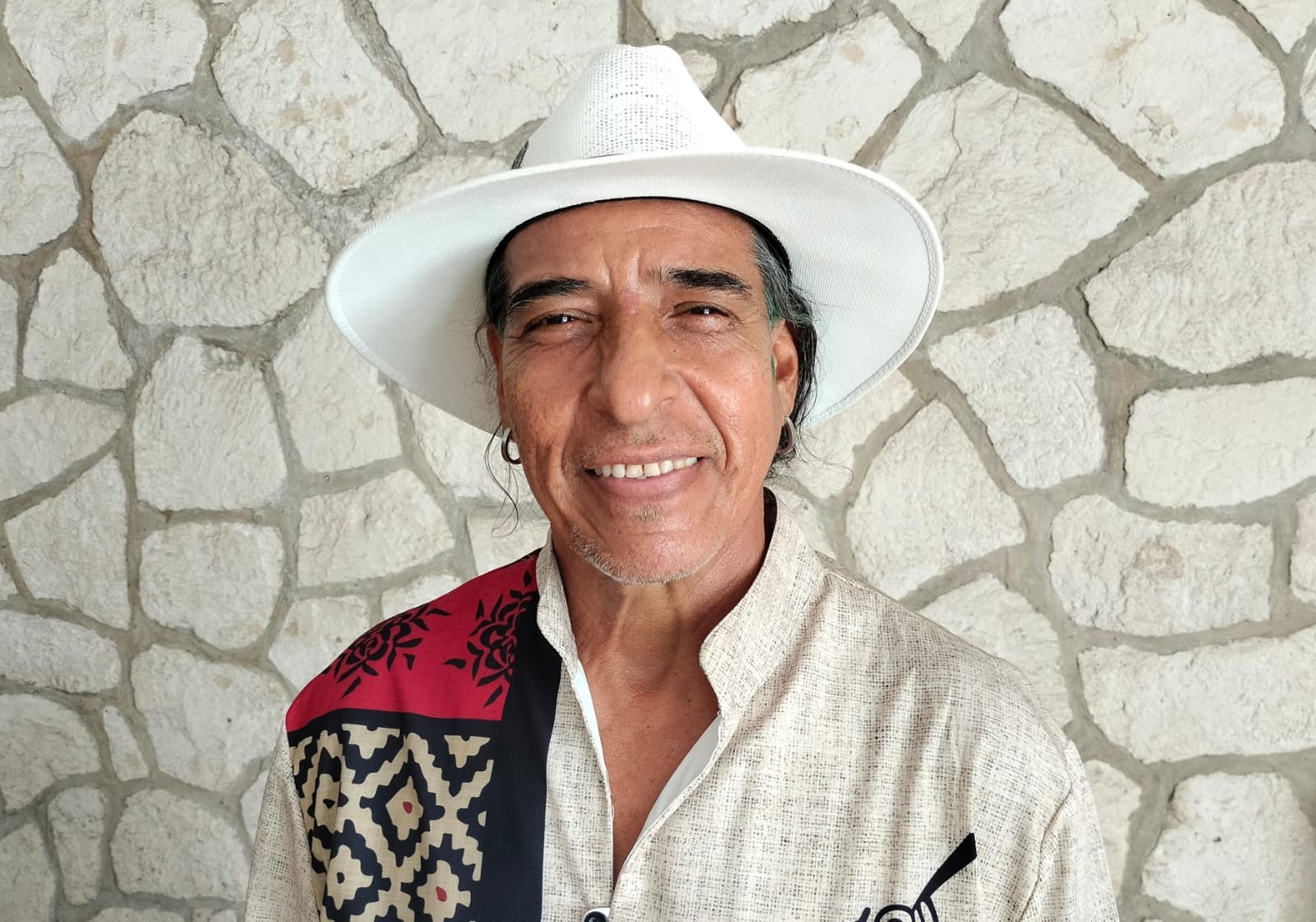
Cancún, Quintana Roo — The progress of Indigenous communities depends more on education and awareness than on government handouts and crop programs, according to activist Javier Alarcón Mujica, who criticized the tendency of administrations to celebrate politicians for carrying out their duties with public money.
“They use public funds. You don’t thank an ATM when it gives you your money, so why should we applaud politicians when they give support, when it’s also our money?” said Alarcón Mujica, president of the Association of Older Adults of Indigenous and Afro-Descendant Peoples.
In an interview, the activist acknowledged that Indigenous peoples currently receive some attention, but said what they advocate for is not just food baskets, aid, or cultivation programs, but also raising awareness among Indigenous communities about their rights.
“What is needed is education; without it there is no evolution or change,” he said. “We must enforce the guarantees established in the Constitution.”
Alarcón Mujica also noted that although a significant percentage of the Indigenous population lives in rural areas, an even larger number reside in cities such as Cancún, where they face the same shortcomings and problems as everyone else, including inadequate transportation.
More Politics
- Texas’ Big Bend Becomes Border Wall Battleground
- Mexico Disables Four Drones Used to Monitor Migrant Smuggling at US Border
- Puerto Morelos Mayor Accuses Predecessor Laura Fernández Piña of 1.26 Billion-Peso Embezzlement
- Trump to Fed: Cut Rates or I’ll Halt Trade With Deficit Nations
- Sheinbaum, Trump Near USMCA Deal but New Demands Emerge
More Quintana Roo
- Quintana Roo Tightens Rules for Scuba Divers Arriving With Specialized Gear
- Rafael Martínez Ruiz Named New Head of Mexico’s Migration Institute in Quintana Roo
- Quintana Roo Regulates Rental Golf Carts With New Inspection Rules
- Mexico Drill Saturday Will Sound Alerts on 80 Million Phones
- Cancun Hotels Look to 2027 for Rate and Occupancy Rebound