
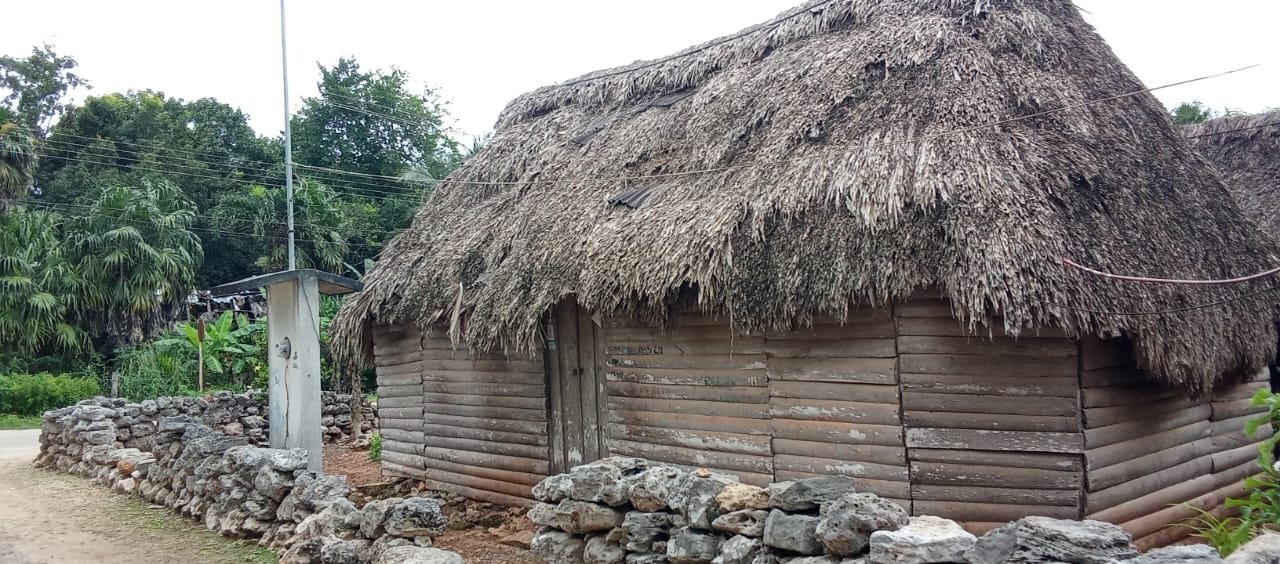
Lázaro Cárdenas, Quintana Roo — A temperature of 16 degrees Celsius is affecting more than 1,300 people in the municipality who live in flimsy housing, exposing them to a cold that cuts to the bone and leaving them in a state of extreme vulnerability.
These families reside in homes made of huano palm and wood, lacking the necessary insulation. As a result, their reliance on improvised heating methods creates a risk of tragedies occurring.
The 2023 annual report on the Situation of Poverty and Social Backlog, based on data from Inegi, details that approximately 1,300 residents face a high risk from the low temperatures due to the fragility of their homes. Of these, 738 live in houses with roofs made of flimsy materials and 560 reside in homes with deteriorated walls.
On the outskirts of Kantunilkín, citizens are resorting to desperate measures. Neighbors like Gabriel Tut commented that there are still families who, due to a lack of resources, cannot afford new warm clothing, forcing them to hand down garments or, at best, buy a single piece of clothing for their children when their finances allow.
In Héroes de Nacozari, home to just over 200 people, the sub-delegate Gustavo Bastard Aguilar explained that, faced with a scarcity of blankets, some children are forced to sleep together to share a single cover. Most homes in this area are made of wood or, if built with sturdier materials, still retain roofs made of huano palm.
The delegate of Valladolid Nuevo, Olegario Cen, estimated that some 30 families live in houses made of huano and require dignified housing. He acknowledged that, out of desperation, many are turning to ancestral practices such as placing hot coals under their hammocks to generate heat, an action that Civil Protection has begun to prohibit due to the serious danger of toxic smoke inhalation or fires.
Gaspar Iuit Cauich, the deputy director of Civil Protection and Firefighters, expressed concern that the population is resorting to burning firewood or charcoal inside their homes to generate heat, as inhaling carbon monoxide could put their lives at risk or lead to the burning down of the property. He urged families not to use small, open heaters, especially without adequate ventilation.
Furthermore, he exhorted people to use warm clothing, cover their mouths and noses, and consume hot beverages to maintain body temperature, with special attention given to children and the elderly.
Residents of the mentioned communities lament the lack of municipal and state programs to provide blankets or warm clothing to the most needy families.
More Environment
- Brain-Eating Amoeba in Mérida Mall Lake Prompts Surveillance of 240 People
- Beach Weddings Plummet as Sargassum Swamps Quintana Roo
- Quintana Roo Business Group Seeks Public Dashboard for Sargassum Spending
- Autocar Adds 100 Hybrid Buses to Its Cancún Fleet
- Crews Remove Fuel From Yacht Grounded on Mahahual Reef to Prevent Spill
More Zona Maya
- Farm and Cattle Expansion in Quintana Roo Squeezes Native Wild Bees
- UIMQROO to Build Student Dormitories With 19 Million Peso Investment
- Tulum Delivers Free Medicines to Health Houses in Vulnerable Communities
- Tulum Tourism Slump Spreads to Inland Maya Communities as Businesses Close Along Cobá Route
- Mahahual Groups Build Reinforced Dog Shelters to Shield Pets From Jaguar Attacks
