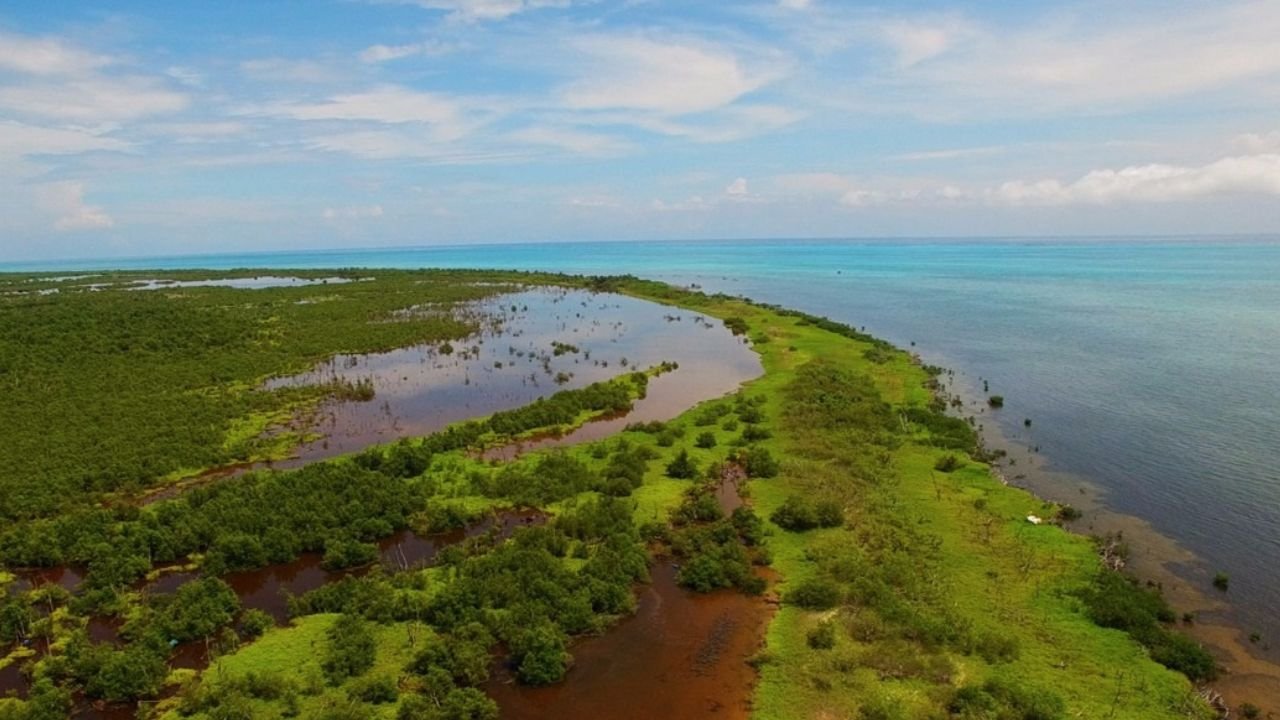
Quintana Roo, Mexico — The state of Quintana Roo has achieved a major environmental milestone by placing 25% of its land area under formal protection, meeting international conservation standards. But officials warn that the next challenge is preserving the health of its ecosystems, particularly the region’s vulnerable underground water systems that feed its coral reefs.
Javier Alberto Carballar Osorio, director of the state’s Institute of Biodiversity and Natural Protected Areas (Ibanqroo), said the latest conservation decrees were issued at the federal level, allowing the state to reach its target ahead of schedule.
“In the last areas that have been decreed, they were federal. Let’s say we’ve covered our quota. In the previous administration, some of these areas were going to be state-level and they became federal. So in that regard, we are already complete in our objective,” Carballar said.
The achievement positions Quintana Roo as one of Mexico’s leading states in environmental conservation. However, Carballar emphasized that the focus must now shift from designating new protected areas to ensuring effective management.
“The challenge is that people and communities feel it is an ally, that it is beneficial to have a protected area, with sustainable activities and economic opportunities. That they do not perceive a protected area as being contrary to development,” he said.
When asked about pressures from urban, real estate, and tourism development in the state’s northern zone, Carballar acknowledged that protected areas are the most successful tool but not the only one. He said other conservation schemes must continue to be implemented and communicated to the public.
Carballar also issued a warning about the region’s most vulnerable ecosystem: the underground water systems. Any contamination of these systems directly harms the health of Quintana Roo’s coral reefs and coastal environments.
“What we need to work on is specifically keeping those ecosystems healthy, and the challenge we have is not to contaminate our underground systems, because they feed our reefs,” he concluded, calling for shared responsibility from society and businesses.
More Environment
- Brain-Eating Amoeba in Mérida Mall Lake Prompts Surveillance of 240 People
- Beach Weddings Plummet as Sargassum Swamps Quintana Roo
- Quintana Roo Business Group Seeks Public Dashboard for Sargassum Spending
- Autocar Adds 100 Hybrid Buses to Its Cancún Fleet
- Crews Remove Fuel From Yacht Grounded on Mahahual Reef to Prevent Spill
More Quintana Roo
- Mexico Drill Saturday Will Sound Alerts on 80 Million Phones
- Cancun Hotels Look to 2027 for Rate and Occupancy Rebound
- Cancún Mayor Ana Paty Peralta Says She Will Finish Her Term and Skip ‘Gino’ Segura’s Campaign
- Tren Maya Finds Reshape Understanding of the Maya ‘Collapse’
- Quintana Roo Enacts ‘Ley Nicole’ Banning Cosmetic Surgery on Minors