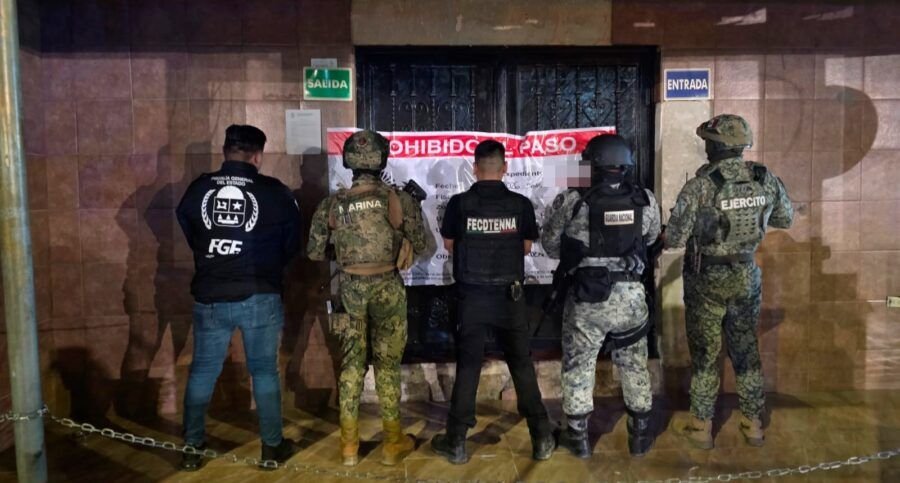
Chetumal, Quintana Roo — A review of prosecution patterns in Quintana Roo suggests that while authorities celebrate trafficking rescues in tourist hotspots, the state’s justice system is overlooking seven of the eleven human trafficking crimes recognized under Mexican law.
The State Prosecutor’s Office and the Public Security Department have concentrated their resources on four forms: sexual exploitation, labor exploitation in tourism and real estate developments, forced begging, and the recruitment of minors for organized crime. The remaining seven crimes — slavery, debt bondage or servitude, illegal adoption, forced or servile marriage, organ trafficking, forced labor or services, and biomedical experimentation — are largely absent from state investigations and prosecutions.
The narrow focus reflects the economic realities of a tourism-dependent state, as well as pressure from local advocacy groups and international bodies such as the United Nations to address the most visible forms of exploitation in popular destinations. The sight of minors and Indigenous people begging at busy intersections has also pushed authorities to act.
But the reactive approach leaves rural and Indigenous communities unprotected, critics say. In municipalities such as Felipe Carrillo Puerto and José María Morelos, debt servitude rooted in historical conditions is frequently mislabeled as custom, “usos y costumbres,” or written off as a routine labor dispute.
Local organizations have warned about arranged marriages involving minors in exchange for money in marginalized or high-migration areas, yet the Prosecutor’s Office tends to classify such cases as family violence or civil disputes, stripping them of their trafficking status.
The opacity of informal surrogacy networks and the steady flow of irregular migration through the state create a fertile ground for trafficking in newborns and the illicit trade in human tissue, but no intelligence units are dedicated to tracking these patterns at clinics or border crossings, the review found.
The absence of official records for those seven offenses does not mean they do not occur, advocates point out. The “dark figure” of crimes that go unreported or uninvestigated is amplified by a lack of personnel trained to identify indicators of modern slavery or servile marriage when complaints are filed.
By focusing exclusively on the most scandalous forms of exploitation, the state not only undermines the right to comprehensive justice for all victims but also leaves open windows of impunity in which organized crime operates with impunity.
The question facing the heads of security and prosecution in the Mexican Caribbean is whether the gaps stem from technical incapacity to investigate complex crimes or from a deliberate effort to preserve the image of an international tourist destination.
More Crime
- Cuban Man Arrested in Playa del Carmen Over Cancún Fatal Shooting
- Cancún Motorcycle Taxi Drivers Protest After Two Vehicles Torched
- Cancún Airport Transporters Blame ASUR for Steep Fees
- Five to Face Trial in Tulum Funeral Home Equipment Theft
- Quintana Roo Civil Protection Warns Against Fireworks Ahead of Independence Day
More Quintana Roo
- Quintana Roo Expands Tourist Police Force With Specialized Training Programs
- Quintana Roo Bets on Luxury, Diving and Gastronomy Tourism for 2027
- Cancún’s Ruta Mar Beach Shuttle to Suspend Service Until Mid-December
- Quintana Roo Leads Dengue Cases on the Yucatan Peninsula With 232 Infections
- Low-Pressure System in Central Atlantic Raises Cyclonic Development Odds to 30%