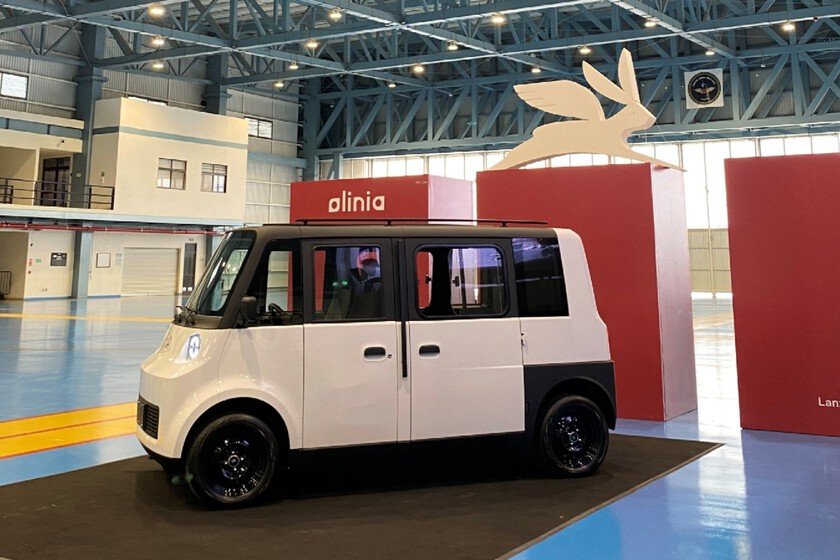
Puebla, Mexico — The state of Puebla plans to purchase 6,000 Olinia electric vehicles to replace unauthorized mototaxis operating across the region, Governor Alejandro Armenta Mier announced. The order represents more than a quarter of the Mexican automaker’s first-year production of 20,000 units, scheduled for 2027.
Governor Armenta said he will sign a letter of intent in mid-2026 to secure the vehicles, which are being developed by the federal government. The move aims to remove adapted motorcycles from the streets due to safety concerns. Armenta noted that many areas of the state have large numbers of unapproved vehicles operating in total anarchy, often driven by minors. In addition to accident risks for passengers, state authorities have detected that these transports are frequently used for illicit activities.
To facilitate the transition, the state government will offer direct financial support to mototaxi drivers. Puebla will finance 20% of the down payment for the electric cars, a subsidy strategy already used with traditional bus dealers. The incentive aims to help drivers purchase safer vehicles with a complete structure and longer-lasting batteries.
The state’s Mobility and Transport Secretariat has approved the replacement, citing the vehicles’ eco-friendly nature. Secretary Silvia Tanús Osorio explained that the car is practical because it can be charged from any standard household outlet. However, she warned that current laws do not account for these advances, giving authorities six months to modify traffic regulations.
The new rules will define specific zones where the compact, nationally manufactured vehicles can operate. Local officials said the Olinia is a last-mile vehicle, meaning it will only be allowed to travel in auxiliary boards, neighborhoods, and short routes. The secretariat acknowledged that advanced technical studies are still needed, though a census of currently operating mototaxis is already underway.
The base version of the Olinia will cost 150,000 pesos (about $8,000), up from the originally projected 90,000 pesos due to industrial production requirements. Roberto Capuano Tripp, director of the automotive strategy, said the federal government plans to gradually increase plant output over the next four years to a rate of 50,000 units annually.
The Mexican company has designed three versions of the vehicle to meet different needs. The mid-range model will have enough space to transport a wheelchair without folding it, aiding people with disabilities. The third variant will have a commercial focus, with capacity to carry up to 600 kilograms in the rear for local businesses.
Mobility officials are particularly interested in the cargo version to reorganize commercial activities in congested urban areas. The proposal includes using these electric units for merchandise delivery within Puebla’s historic center, taking advantage of their small dimensions. The national car is expected not only to transform passenger transport in peripheral neighborhoods but also to reduce heavy truck traffic on colonial streets.
More Economy
- TUCSA Cuts Playa del Carmen Public Transit Fleet to 56 Buses
- Holbox Hotels Project 80% Holiday Occupancy After Island’s First Michelin Key
- Mexico Seeks Tariff Cuts on Steel and Autos in US Trade Talks
- Quintana Roo Expands State Scholarships by 21%, Reaching 15,682 Students
- UT-Chetumal Prepares Aeronautics Degree to Meet Labor Demand