Tulum Museum Offers a Free Journey Through Thousands of Years of Maya History

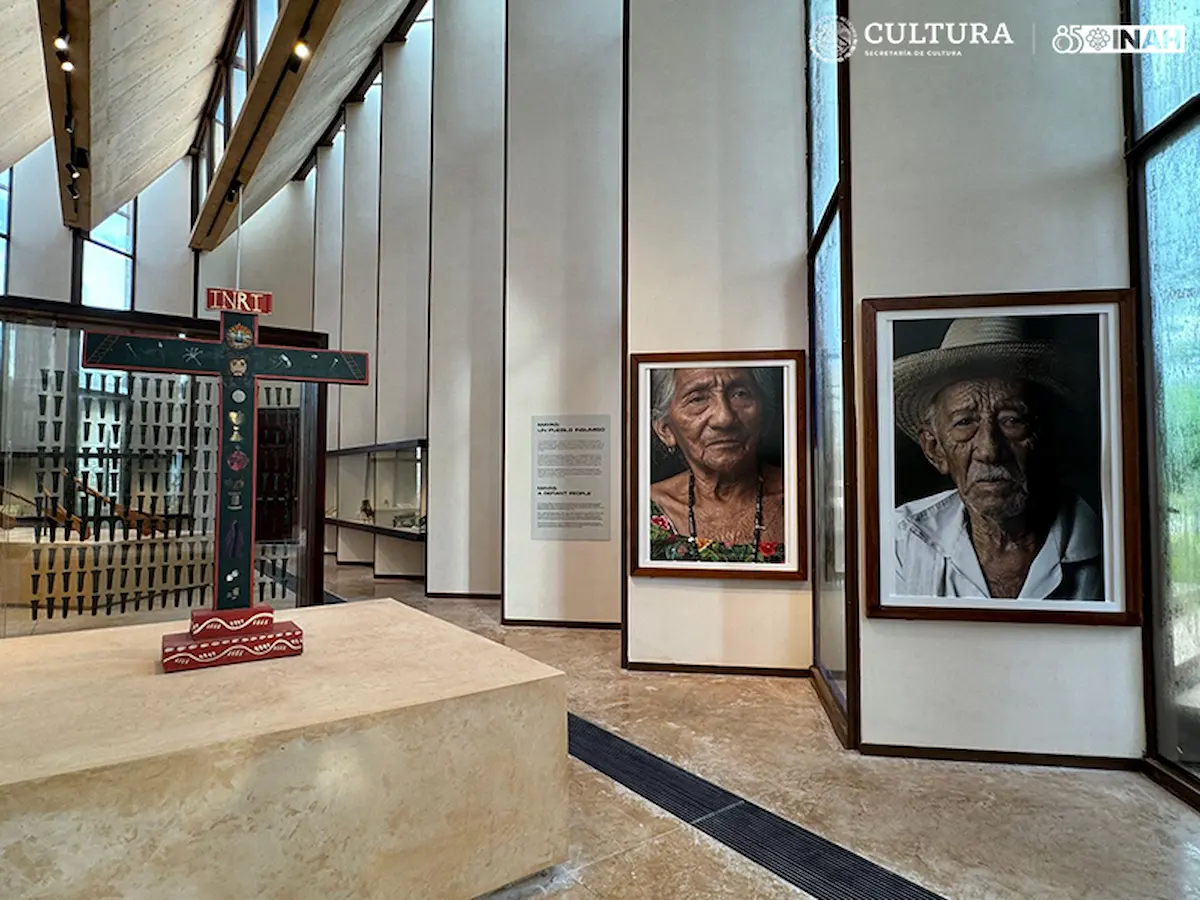
Visitors viewing Maya artifacts at the Regional Museum of the Eastern Coast in Tulum, Quintana Roo.

Tulum, Quintana Roo — Visitors who leave Tulum’s archaeological zone wanting to understand more about the people who built the walled coastal city now have somewhere to continue the story, without paying another admission fee.

The Regional Museum of the Eastern Coast, known locally as MURECO, houses more than 300 archaeological and cultural objects inside Jaguar National Park. Admission is free Tuesday through Sunday from 9 a.m. to 5 p.m.

Although a recent state announcement described the museum as opening its collection to the public, MURECO is not new. It was inaugurated on September 7, 2024, as part of the federal Program for the Improvement of Archaeological Zones associated with the Tren Maya. By its first anniversary, it had received more than 98,400 visitors.

The latest promotion appears intended to draw more attention to a museum that can easily be overlooked beside Tulum’s internationally famous clifftop ruins.

More than a room full of Maya artifacts

The museum occupies approximately 1,200 square meters and is the largest cultural venue created within the network of museums associated with the Tren Maya.

Its collection includes archaeological objects made from ceramics, stone, shell, metal and stucco, along with contemporary works using woodcarving, photography and basketry. Some pieces are original, while others are reproductions used to explain objects and environments that could not be moved into the museum.

The exhibits are arranged across three permanent galleries and take visitors much farther back than the construction of Tulum.

The story begins during the Late Pleistocene, between approximately 40,000 and 10,000 years ago, when the landscape and animals of the Yucatán Peninsula looked very different. A reproduction of a giant ground-sloth skeleton helps visitors picture the region before the peninsula took its present form.

From there, the museum follows the development of Maya civilization, daily and ceremonial life, trade along the Caribbean coast, encounters with Europeans, Indigenous resistance and the survival of Maya culture into the present.

An immersive gallery, interactive displays and four audiovisual stations help provide context that can be difficult to find while walking through an archaeological site without a guide.

Putting Tulum’s ruins into context

One of the museum’s most significant displays is a reconstruction connected to Tulum’s Temple of the Descending God.

The original Postclassic-period mural, dating from approximately 1000 to 1550, is too fragile and difficult to view closely inside the archaeological zone. Its reproduction at MURECO allows visitors to examine the figures, animals and religious symbols in greater detail.

The imagery has been associated with Maya ideas about rebirth, the underworld and the movement of celestial bodies such as the Sun and Venus. It also offers a reminder that ancient Tulum was more than a photogenic collection of buildings beside the sea.

The settlement was an important religious and commercial center connected to maritime routes along the eastern Yucatán Peninsula. Its position gave residents access to coastal trade while the surrounding wall separated the ceremonial and administrative center from other parts of the community.

A visit to the museum before entering the archaeological zone can make structures such as El Castillo and the temples of the Frescoes and Descending God easier to understand. Visiting afterward helps explain the objects, beliefs and daily lives missing from the surviving stone buildings.

The Maya story does not end with the archaeological period

MURECO is also intended to present Maya culture as a living tradition rather than something that disappeared when the ancient cities declined.

Its programming has included Maya-language poetry, traditional embroidery, children’s workshops, film screenings, concerts and lectures on subjects ranging from the Talking Cross and the Caste War to Maya understandings of water.

Temporary exhibitions have explored the natural environment of Sian Ka’an, the pandemic and the descendants of Maya communities involved in the 19th-century Caste War.

This community programming is one of the museum’s strongest features. Archaeological museums sometimes leave visitors with the impression that Indigenous history ended centuries ago. MURECO deliberately connects the artifacts in its cases with the language, crafts, ideas and communities that remain part of Quintana Roo today.

What visitors should know

The museum is located on Yalku Street, between Tahmul and Tulum streets, inside Jaguar National Park. It is operated by Mexico’s National Institute of Anthropology and History.

The official INAH listing gives the museum’s hours as 9 a.m. to 5 p.m., Tuesday through Sunday, with free admission.

Because it sits within the larger Jaguar Park complex, visitors should make it clear at the entrance that they are going specifically to the museum. Museum admission is separate from tickets and fees that may apply to the archaeological zone, park transportation or other attractions.

The museum’s social channels publish information about upcoming workshops, temporary exhibitions, lectures and cultural performances.

Tulum’s ruins will understandably remain the main attraction. But for travelers interested in more than the familiar photograph of El Castillo above the Caribbean, MURECO fills in much of the history the stones alone cannot tell.

Discover more from Riviera Maya News

Sign up to receive a summary of the best news in your inbox, every day.

We don’t spam! Read our privacy policy for more info.

By Staff Desk

The Riviera Maya News & Events Staff Desk covers local events, cultural celebrations, community stories, and general news from across the Riviera Maya and Yucatán Peninsula. The Staff Desk produces timely coverage of festivals, municipal announcements, community initiatives, and stories that don't fall under a single specialist beat, ensuring that every corner of the region receives balanced attention.The Staff Desk draws from municipal calendars, event organizers, community submissions, and official announcements to keep English-speaking readers informed about what's happening in their communities — from charity events and school programs to local government services and cultural exhibitions.When individual bylines are not used, the Staff Desk attribution reflects collaborative reporting by the editorial team, with the same editorial standards, fact-checking, and translation review applied to every story.