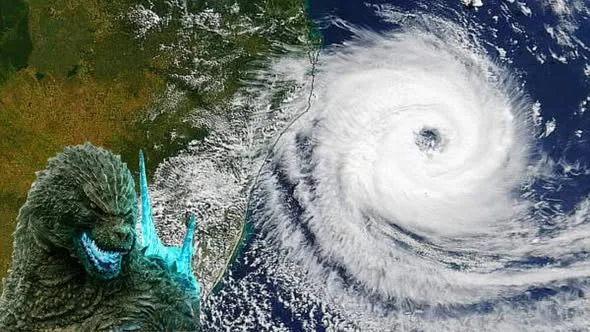
Mexico City — Scientists and researchers, primarily from the National Autonomous University of Mexico (UNAM), are warning that the country must prepare for a possible strong El Niño event — dubbed “Super El Niño” or “El Niño Godzilla” — expected to occur between 2026 and 2027.
El Niño is a natural climate phenomenon that causes anomalous warming of Pacific Ocean waters, part of the El Niño-Southern Oscillation (ENSO) pattern. Its effects include severe droughts, intensified hurricanes, heavy rainfall, and flooding.
According to experts, each drought event in Mexico causes economic losses of around $27 billion. The warming of the Pacific also fuels more intense hurricanes, while other regions experience excessive rain and flooding.
Official forecasts and probabilities
Francisco Estrada Porrúa, coordinator of UNAM’s Climate Change Research Program (PINCC), said that collaboration with the government has led to a shift in how the problem is approached. The National Meteorological Service (SMN) of the National Water Commission (Conagua) now issues official forecasts with specific probabilities.
Current forecasts indicate a 61% chance of El Niño forming between May and July 2026, with a tendency to strengthen between August and October. There is a 25% probability that it will be “very strong,” with temperature anomalies of up to 2°C (3.6°F).
Historical comparisons and potential impacts
Estrada Porrúa warned that this year’s event could rival the most intense El Niños on record — those of 1982-1983, 1997-1998, and 2015-2016 — and might even surpass them. “It is highly likely that we will have a moderate to high intensity El Niño, and it could be a historic event,” he said.
If conditions persist, the 2026 hurricane season in the Pacific could be very active, as warm ocean waters provide energy for storms to intensify rapidly. However, even with heavy rains and hurricanes, drought is not guaranteed to be alleviated.
Alejandro Jaramillo Moreno, a researcher at UNAM’s Institute of Atmospheric Sciences and Climate Change, confirmed the high probability of a strong El Niño. He emphasized that the problem is not just whether it occurs, but how intense it will be, and called for preparation across Mexico and Latin America.
Models from the European Centre for Medium-Range Weather Forecasts (ECMWF) and the U.S. National Oceanic and Atmospheric Administration (NOAA) also point to an intense event comparable to or stronger than 2015-2016, with effects extending into 2027.
Regional effects: drought, heat, and cyclones
El Niño’s impacts in Mexico are heterogeneous. It tends to reduce rainfall across much of the country, especially in the north, center, northeast, east, south, and southeast. Temperatures and heat waves increase, and cyclone activity becomes more intense in the Pacific while decreasing in the Atlantic.
Agriculture and livestock are particularly vulnerable. Reduced rainfall from July onward is expected to affect rain-fed crops such as corn, sorghum, and beans. Historically, strong events like 1997-1998 caused losses of over 2 billion tons of basic grains and forced increased imports.
In the Bajío region and northern Mexico, less rain and more heat waves are anticipated, leading to water stress. Livestock will face shortages of pasture and drinking water, with increased mortality or weight loss, especially in arid northern areas. Drought also raises the risk of wildfires affecting grasslands.
However, increased cyclone activity in the Pacific could bring intense rains and localized flooding to coastal areas of Guerrero, Oaxaca, and Chiapas, which may damage crops but also recharge some aquifers.
Health risks
Heat waves and extreme temperatures increase cases of heatstroke, dehydration, and cardiovascular problems, particularly among children, the elderly, and outdoor workers. Northern and central regions could see record high temperatures.
Irregular rains and flooding from hurricanes raise the risk of mosquito-borne diseases such as dengue, Zika, chikungunya, and malaria. Historically, El Niño has been associated with outbreaks of cholera and dengue in regions with floods or droughts. Wildfires from drought generate smoke and particulate matter, worsening respiratory illnesses.
Economic and infrastructure impacts
Beyond agriculture, El Niño affects multiple sectors. Higher demand for electricity due to air conditioning and stress on hydroelectric plants from reduced water availability are expected. Damage from Pacific hurricanes — up to five major cyclones are forecast — will impact ports, roads, and coastal tourism.
Studies by the International Monetary Fund (IMF) and other international organizations indicate that strong El Niño events typically generate costs from disasters, rural migration, and reduced economic activity in affected areas. A global Super El Niño could raise agricultural commodity prices, affecting both importers and exporters.
Experts and producers say the rural sector, especially small farmers, is not sufficiently prepared for prolonged droughts. Needs include drought-resistant seeds, efficient irrigation systems, agricultural insurance, and water storage. While Conagua and SMN monitor conditions, the implementation of preventive measures has historically been insufficient.
A strong El Niño would worsen the existing water crisis in several regions, posing greater risks to food security and costing billions of pesos, according to precedents.
More Environment
- Cancún’s Protected Natural Areas See Tourism Slump, With 600,000 Visitors Expected in 2026
- Bamboo Growers From 13 Mexican States Form National Association
- Hepatitis A Outbreak Prompts Class Suspension in Tizimín Village
- Cancún Animal Welfare Hospital Reaches 85% Completion in First Phase
- Up to 20 Sanctioned Offenders a Day Perform Community Service in Playa del Carmen