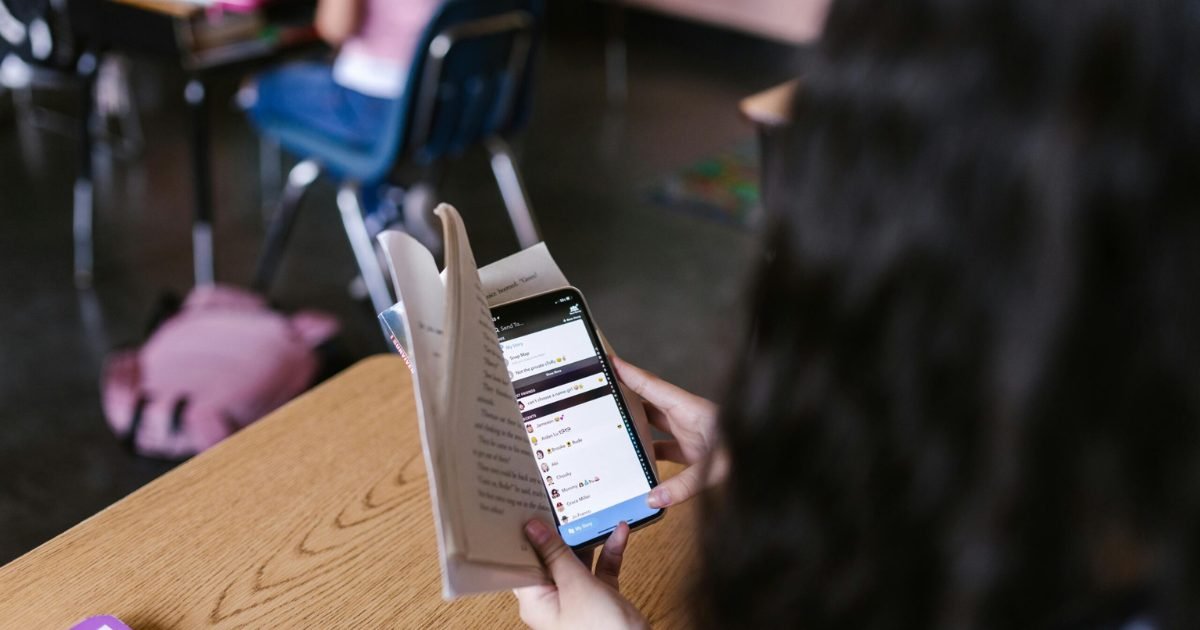
Chetumal, Quintana Roo — Mexico will prohibit the use of cellphones and other screens in primary and secondary school classrooms and recess periods starting November 3, President Claudia Sheinbaum announced Monday.
The measure, which Quintana Roo will join, will be published in the Diario Oficial de la Federación (DOF), the country’s official gazette, by the Public Education Department (SEP). Sheinbaum presented the results of a national survey of teachers, specialists and the school community on how to regulate technology use in schools during her morning press conference.
What the New Rules Allow
The policy does not bar students from bringing phones, tablets or screens onto primary and secondary campuses. It restricts their use during classes and recess, with exceptions for emergencies involving students.
Students will be required to keep their devices in their backpacks during school hours unless an emergency arises. Schools have set up contact channels with parents and guardians to report any situation involving students.
The decision followed a national survey in which more than 565,396 teachers took part. About 81 percent of respondents backed restricting technology use in classrooms, citing the harm it causes students.
Quintana Roo Backs the Measure
The Quintana Roo Parents’ Association also endorsed the ban on cellphones in schools.
The restrictions apply to primary and secondary education. At the high school level, rules will depend on each institution, while universities and other higher education institutions will not apply the guidelines in full.
Reasons Behind the Policy
Officials said regulating device use will help students pay closer attention in class and eliminate the interruptions caused by notifications.
The measure is also intended to prevent conflicts on school grounds tied to social media content, reduce screen addiction, and address language and developmental delays in children, along with vision problems and fatigue. Authorities said it will also encourage interaction and socialization among classmates.
More Government
- Polo strengthens to a Category 5 hurricane off Mexico’s Pacific coast in Record Time
- Quintana Roo Climbs 12 Spots to 9th in Competitiveness Index
- Culture Ministry to Inspect Ceremonial Pole Ahead of Voladores de Papantla Return to Tulum
- Cozumel Launches Rabies Vaccination Drive With 3,000 Free Doses for Pets
- Isla Mujeres Collects Over 160,000 Tons of Waste in Five Years