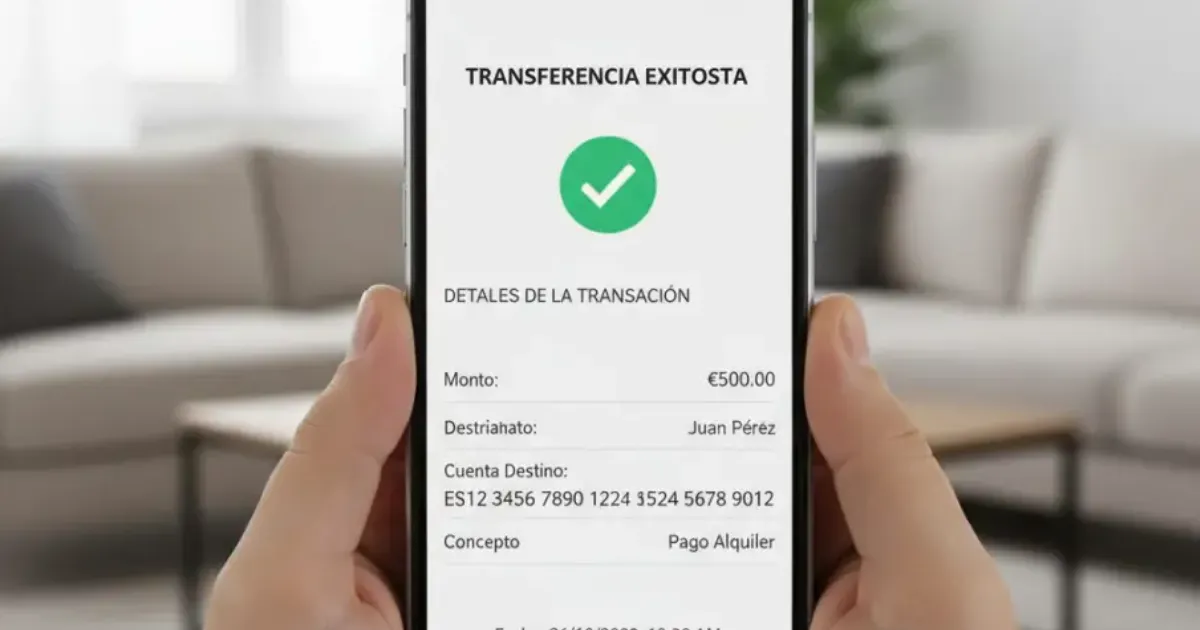
Mexico City — Mexico’s central bank, Banxico, announced new regulations requiring all banks to offer a standardized mobile app experience for electronic fund transfers and payments, aiming to reduce cash usage and simplify digital transactions for users.
The rules, published in the Official Gazette of the Federation (DOF), mandate that all credit institutions provide a simplified and uniform interface for mobile transfers by mid-December 2026. The move is designed to make it easier for customers, particularly older adults, to make payments at places like street markets using their phones.
Banxico said the measure will benefit more than 80 million people who use transfer services, by facilitating the adoption of electronic payments through a consistent digital experience.
In a statement, the central bank explained that the regulations make it mandatory for all institutions offering fund transfer services to deliver a streamlined and standardized user experience in their mobile applications.
New Account Level for Small Businesses
Separately, Banxico expanded the capacity for receiving funds by creating a new simplified account level. The so-called Level 2 Bis accounts are aimed at small businesses, allowing them to receive up to 15,000 UDIs (approximately 120,000 Mexican pesos) per month, of which at least 12,000 UDIs must come from digital payment methods.
The adjustment seeks to align account operation levels with users’ transactional profiles and encourage the adoption of digital payments, the bank said. The goal is to benefit more than 4.4 million small businesses by giving them access to a bank account that allows them to send and receive digital payments suited to their economic activity.
The regulations take effect on the next banking business day after their publication in the DOF, with a compliance deadline of December 14, 2026, for banks and indirect participants.
More Business
- China Expands Drug Precursor Export Curbs Before Trump-Xi Talks
- Cancún Airport ‘Pirate’ Transporters Accused of Intimidating Tourists Over Uber and Didi
- Cozumel Submarine Power Cable to Be Installed Oct. 5 After 40-Year Wait
- Isla Mujeres Fishermen Face Grouper Shortage as Catch Barely Covers Local Demand
- Tulum Adds Artisan Market and Caribbean Culture Festival to Its Tourism Lineup