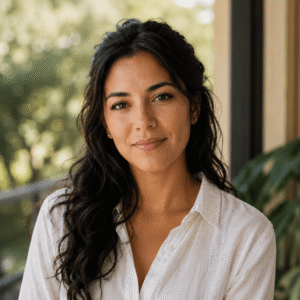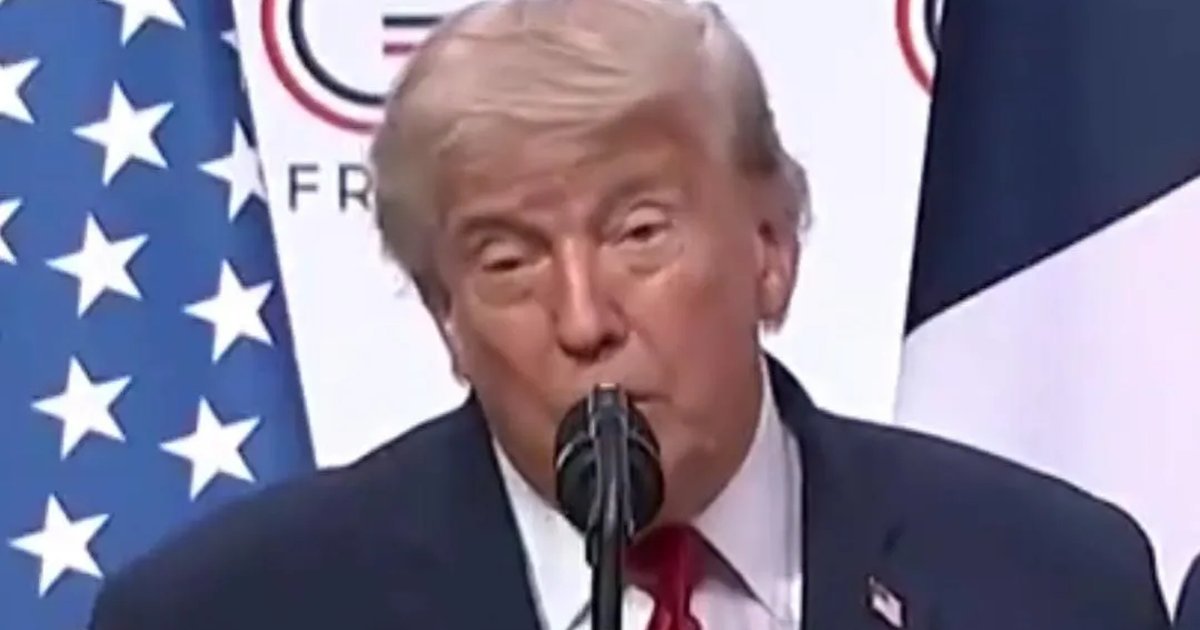
Evian, France — President Donald Trump on Tuesday called Mexican President Claudia Sheinbaum “a very good woman” but claimed she is afraid of drug cartels and therefore does not fight them effectively.
Speaking at the closing session of the G7 summit in Evian, France, Trump said: “Mexico has lost control of its country. The cartels control it, it’s very sad. The president is a very good woman, but she is a very scared woman.”
Trump has made similar remarks before, alternately praising Sheinbaum personally while criticizing her government’s efforts against organized crime.
The U.S. president reiterated that his administration will focus on combating drug trafficking by land. “We have done a great job. Now we are going to focus on land. The drugs pass through Mexico,” he said, claiming that narcotics entering the U.S. through the southern border have decreased by 61 percent and those arriving by sea by 97.2 percent.
Trump also said the U.S. and Mexico have an agreement to intensify coordination against drug trafficking. “Stopping drug trafficking is crazy. It comes through Mexico, it comes through the southern border — the little that comes through it. They find a way, they are geniuses… if they used that genius for good, they would be very rich people. They have it in engines, they have it in wheel covers, they have it in areas you wouldn’t imagine. They have it in car structures,” he added.
The remarks come amid growing tension between the two governments over anti-drug strategies. Last week, U.S. drug czar Sara Carter praised Mexico’s cooperation with Sheinbaum, contradicting Trump’s latest statements.
More Politics
- Mexico’s Lower House Approves Single-Nationality Requirement for Presidency and Governorships
- Mexico and EU Bring Modernized Global Agreement to Congress as Senate Ratification Looms
- US Seeks Deeper Security Ties With Mexico Without Intervention, Ambassador Says
- Moody’s Warns Mexico Faces Negative Fiscal Trend on Rising Debt and Weak Growth
- Trump Warns UN: Unmatched Military Might Against Cartels