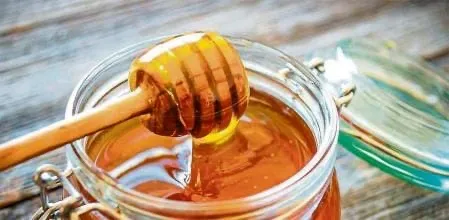
Chetumal, Quintana Roo — At least three out of every 10 products sold as honey in Mexico are not natural but industrial substitutes, according to a veterinarian specializing in bees, who denounced the practice as unfair competition that harms both producers and consumers.
José Ordonel Torres Bocanegra, a member of the National Association of Veterinarians Specialized in Bees, said the substitutes are made mainly from corn or rice syrups imported from China. These products are packaged and labeled as honey, then sold at low prices, undercutting Mexican beekeepers who face higher production costs and strict quality controls.
“These syrups lack the enzymes, antioxidants, vitamins and natural compounds that characterize real honey,” Torres Bocanegra said. “Their health benefits are completely different.”
The problem hits especially hard in the Yucatán Peninsula states of Quintana Roo, Yucatán and Campeche, where thousands of families depend on beekeeping as a main source of income. The region is internationally recognized for producing some of the highest quality and purest honey, thanks to its rich flora and traditional production methods.
Torres Bocanegra warned that the sale of adulterated honey drives down prices for the national product, hurts beekeepers’ competitiveness and creates distrust among consumers, who often do not realize they are buying a fake.
He recommended that consumers buy honey directly from local producers or trusted stores, check labels carefully, and be wary of products sold at prices significantly below average, as they may be industrial substitutes fraudulently marketed as natural honey.
The veterinarian said authorities have been asked to strengthen inspection and surveillance of imports, as well as marketing and labeling processes, to prevent adulterated products from continuing to reach the Mexican market.
More Business
- Bacalar Hoteliers Push for More Flights at Chetumal Airport as Tulum Routes Shrink
- Mexico Edging Closer to New US Trade Deals, Ebrard Says
- Senate Gives Defense and Navy Vote on Reviewing Foreign Investment in Mexico
- OXXO Round-Up Drive to Fund School Breakfasts for 680 Children in Cozumel
- Maya Council and Xcaret Push Supreme Court to Drop Indigenous Symbols Case
More Quintana Roo
- INE Opens 2026-2027 Federal Electoral Process in Quintana Roo, Vows to Tackle Voter Apathy
- Quintana Roo High School System Aims to Install Cameras at All 44 Campuses
- Biometric CURP in Quintana Roo: Where to Apply, What to Bring and Whether It’s Mandatory
- Cancún Hosts 45 Nations at EU-Caribbean Summit on Sargassum
- Sargassum in Quintana Roo Sets Record With 138,000 Tons Collected in 2026