Mexico City — Mexico’s wine industry is accusing importers of buying cheap foreign wine in bulk, bottling it domestically and selling it under a false “Made in Mexico” label, a practice it says has triggered bankruptcies and closures across the sector.
The Mexican Wine Council (CMV) said it has already taken its complaint to the tax authority SAT, customs, the consumer protection agency Profeco and the Economy Ministry, urging federal officials to intervene.
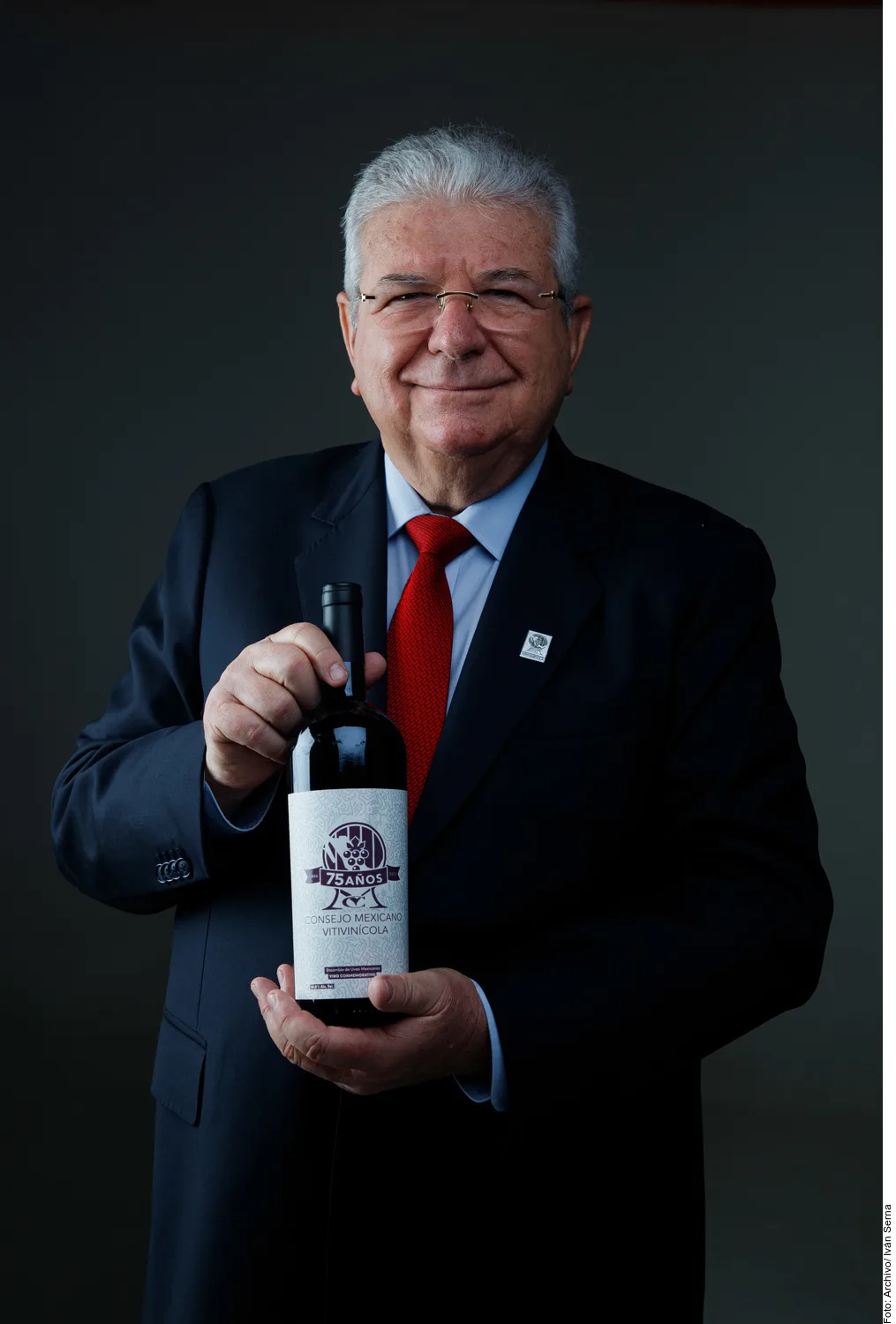
“We do have a serious market problem in Mexico,” CMV president Abedrop warned in an interview.
“One of the most serious practices is bulk wine that enters the country, and then someone bottles it and labels it as Mexican wine. It is a product made under conditions and at prices far below national production costs.”
Abedrop estimated that imported bulk product accounts for roughly 6 percent of the domestic market and distorts consumers’ purchasing decisions.
“Since the public prefers domestic wine, they look for the ‘Made in Mexico’ label and buy it without knowing they are actually getting a foreign liquid,” he said.
Global Oversupply Squeezes Mexican Producers
The industry is also contending with a worldwide oversupply caused by falling consumption in traditional European markets, where producers are offloading surpluses in growing markets such as Mexico. An estimated 8 million Mexicans drink wine regularly, with another 2 million consuming it occasionally.
Mexican labels currently account for between 38 and 40 percent of the domestic market, and the sector’s goal is to reach one Mexican bottle for every two consumed, or 50 percent. Abedrop identified three obstacles: excess international supply, the influx of low-cost product and, above all, the exchange rate.
“The biggest problem is the exchange rate,” he said.
Mexico cultivates about 9,000 hectares of vines, he noted, putting it at a disadvantage against giants such as Spain, with 900,000 hectares, or Chile, with 100,000 hectares in effective production. Those countries’ governments, he added, subsidize between 50 and 100 percent of their industries’ overseas promotional costs.
“In Argentina, the government pays 50 percent of the promotional expenses they make around the world. In Chile, the government pays 50 percent. The European Union covers 100 percent of their promotion costs abroad. How do we compete with that?” he asked.
The council recently asked the Economy Ministry for support to promote Mexican wine in the United States, but the agency cited a lack of budget. Meanwhile, the appreciation of the peso has made finished bottles cheaper, with wines that once sold for 300 pesos now on shelves at 200 pesos.
“You see them on the shelf and you say to yourself: it’s incredible that this wine that used to cost 300 pesos is now worth 200 on the market. People buy what suits them,” Abedrop said.
That combination, he warned, has already led to bankruptcies, company closures and direct losses in the countryside, where 99 percent of winemakers are also farmers and direct employers.
So far, he complained, federal authorities have not responded.
“We have sent letters and we have gone to visit the competent authorities to see what we can do. We still have not had a success, a frank, clear, forceful response from the federal government to stop this,” he said.
More Business
- CURP Digital vs CURP Biométrica: What Mexico’s New ID Means for Online Bank Accounts
- Quintana Roo Bets on Luxury, Diving and Gastronomy Tourism for 2027
- Mexico Proposes 35% Hike in Fee Charged to Foreign Tourists
- Playa del Carmen Mayor ‘Very Upset’ With Parking Meter Operator Playaparq
- Tren Maya Launches Sunday Round-Trip Route From Mérida to Chichén Itzá