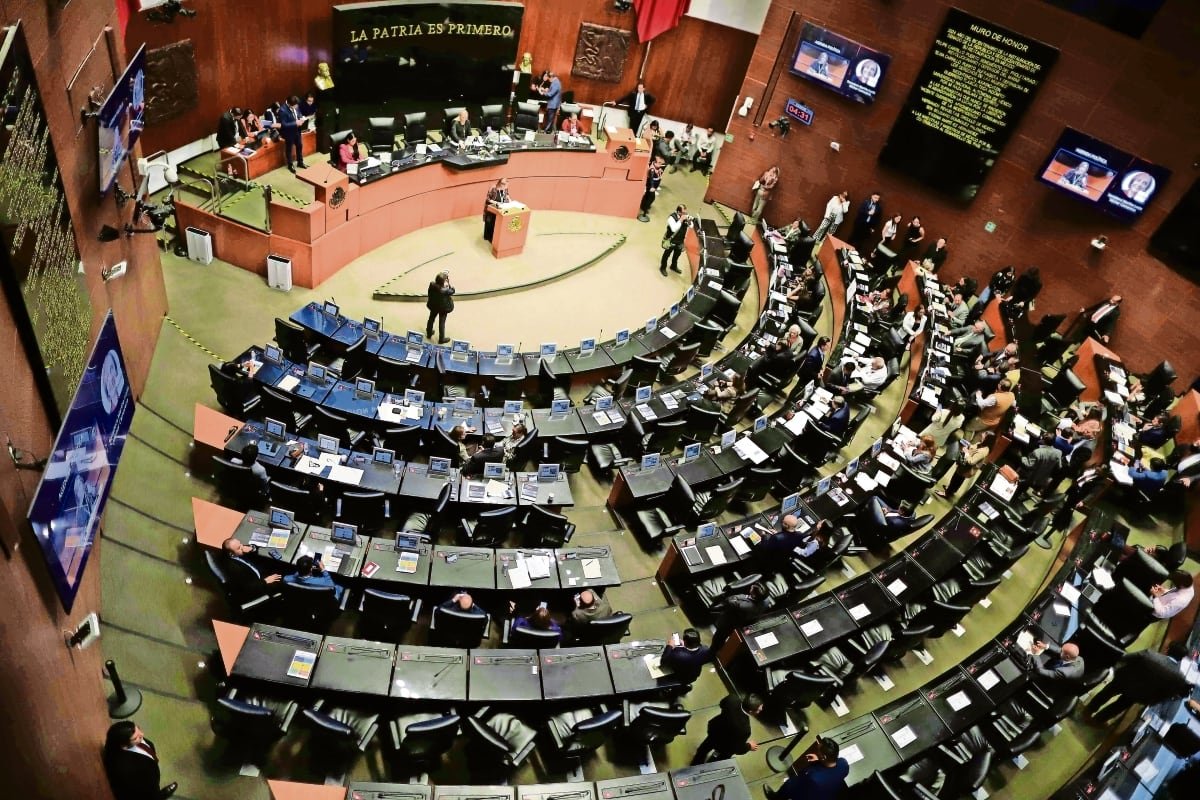
Mexico City — Senate committees are reviewing legislation sent by the Chamber of Deputies that would make it a crime to use artificial intelligence to generate or share intimate sexual images, videos, or audio of a person without their consent.
The proposed reform to Articles 199 Octies and 199 Nonies of the Federal Penal Code would classify such conduct as a violation of sexual privacy. A person would be liable if they carry out any of the following acts without the authorization of the identifiable adult depicted in the material:
- Disclose, share, distribute, or publish the material through any medium.
- Record, film, photograph, print, or create the material.
- Generate, simulate, or edit it using AI tools or digital editing software.
The measure sets the same penalties already established for crimes against sexual intimacy under Article 199 Septies: four to eight years in prison and a fine of 400 to 1,000 times the daily value of the UMA (Mexico’s unit of measurement and update).
The bill also seeks to sanction anyone who uses AI to produce realistic images, videos, or audio showing children, adolescents, or people who lack the capacity to understand or resist the sexual conduct, even if no identifiable real victim exists. This provision would be incorporated into Article 16 of the General Law to Prevent, Punish and Eradicate Trafficking in Persons.
More Courts
- Supreme Court Reopens Mahahual Case Against Royal Caribbean
- Why Mexico’s Treason Charge Over a U.S. Raid Matters
- Mexico’s Lower House Approves ‘Anti-Meme’ Law as Opposition Warns Over Free Speech
- Senate to Review Legality of IMSS Changes to Modality 40 Pension Scheme
- Quintana Roo Prosecutor’s Office Releases Seized Playa del Carmen Property, Leaving Two Dogs Locked Inside for Three Days