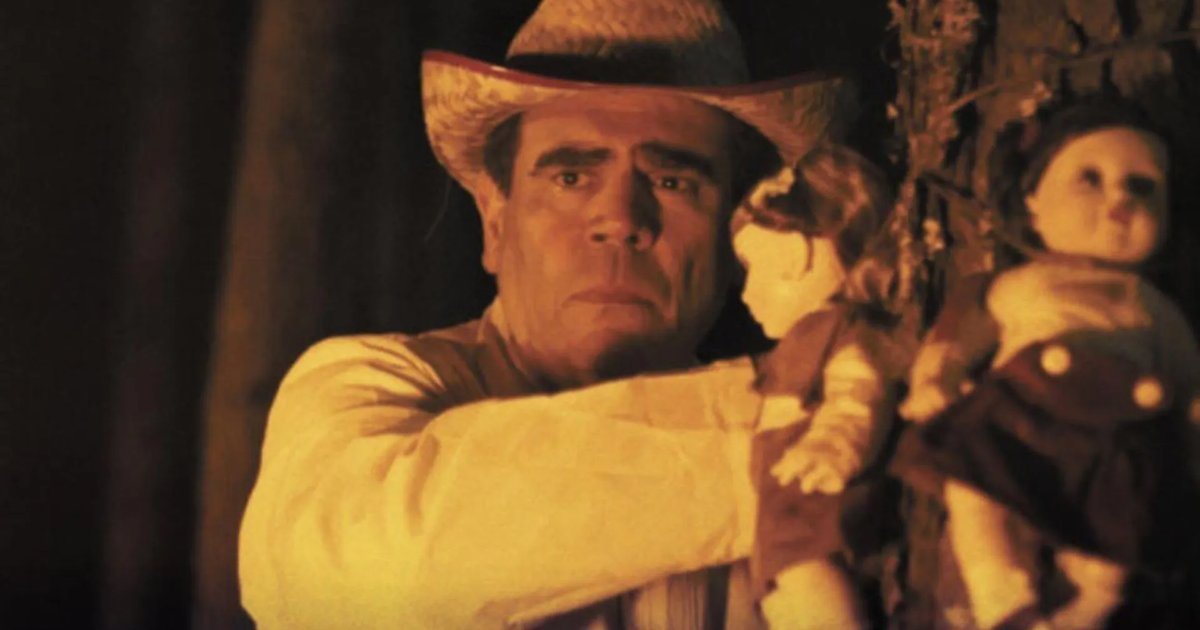
Mexico City — The legend of the Island of the Dolls, one of the most unsettling spots in Xochimilco, is heading to the big screen in a Mexican horror film that mixes popular lore, supernatural elements and strange experiences reported by the crew during production.
The movie is scheduled to open in Mexican theaters on Thursday, Oct. 15, leaning on national folklore to deliver a homegrown horror story.
The tale dates to the 1950s, when, according to popular accounts, a man named Julián Santana found the body of a girl who had drowned in the Xochimilco canals. After that episode, he said he experienced unexplained events and began collecting dolls, hanging them around his chinampa to ward off what he believed were evil presences.
Santana died in 2001, but the site remained a tourist attraction known for its hundreds of damaged, incomplete dolls strung up among the trees. Over the years, stories of supposed apparitions and possessed objects fed the reputation of the Island of the Dolls, which now inspires a new film production.
What the Film Is About
The movie follows a group of young people who decide to venture onto the Island of the Dolls, among them a skeptical protagonist who dismisses the stories about the place as mere myth. Their visit turns into a terrifying experience that tests his beliefs and confronts the group with events they cannot explain.
The cast is led by Patricio José, known for his role in Hotel todo incluido, alongside Elena del Río, Javier Ponce and Karen Martí. The production also features performances by Isaura Espinoza, Alejandro Tommasi, Sergio Reynoso, Juan Vidal and Gerardo Murguía.
More Than 2,800 Dolls Gathered for the Set
To recreate the atmosphere of the island, the team collected more than 2,800 dolls over two years. Because the original chinampa is so small, the filmmakers found a location in Puebla where they could build a set suited to the shoot; they prefer to keep its exact whereabouts secret.
Homero McDonald Chávez, the film’s director, said the screenplay adds elements to the legend audiences already know, including a satanic sect linked to the sacrifice of a girl. He said the goal was to draw on Mexican traditions and stories to build a horror offering with an identity of its own.
Shooting conditions also posed a challenge. Reaching the location required a boat ride of about half an hour from dry land, along with careful lighting preparation and work on rainy nights to achieve the mood the scenes required.
Alleged Paranormal Events During the Shoot
During preparation and filming, crew members said they had experiences they linked to the legend.
Dayana Velver, an executive producer and actress, recalled that on one occasion the team heard one of the dolls say the word “mamá” as the figures were being moved in a truck for characterization. According to her account, none of them ran on batteries.
McDonald Chávez also remembered a scene in which a crucifix placed on a character’s chest fell in an unexpected direction. Crew members added that they heard knocking at night on the doors of the cabins where they rested, without ever discovering who or what caused it.
Velver said some of those experiences ended up being worked into the film’s promotion, including a sound heard at the end of the trailer.
The accounts form part of the anecdotes shared by the filmmakers; no independent evidence exists that would attribute the episodes to paranormal phenomena.
More Events
- Isla Mujeres Cultural Night Blends Music, Dance and Breast Cancer Awareness
- Buen Fin 2026 Set for November 13-17 With Five Days of Deals in Cancún
- Playa del Carmen Announces Second ‘Desayuno Rosa’ Fundraiser for Breast Cancer Prevention
- Greg Dietrich Opens First Solo Exhibition at Cozumel’s Museo de la Isla
- Playa del Carmen Seeks Alternative Event After Jazz Festival Suspension