Yucatan, Mexico — An investigative report by Latinus has uncovered a massive real estate scheme in which Grupo Foret marketed nearly 10,000 lots across Yucatan state between 2020 and 2024, promising high-value residential developments that never materialized.
The investigation, led by reporter Cecilia Reynoso, found that the company aggressively advertised lots with claims of high appreciation, easy financing, and proximity to tourist hubs. However, official documents show the properties lack basic infrastructure and environmental permits.
Environmental and Regulatory Violations
Mexico’s Environment Ministry (Semarnat) issued negative rulings for at least eight projects linked to Grupo Foret due to the absence of required Environmental Impact Statements (MIA). The National Institute of Anthropology and History (INAH) also flagged multiple lots for containing archaeological remains, blocking construction.
Despite these rulings, the company continued selling lots, revealing gaps in local oversight.
Promised Infrastructure Never Built
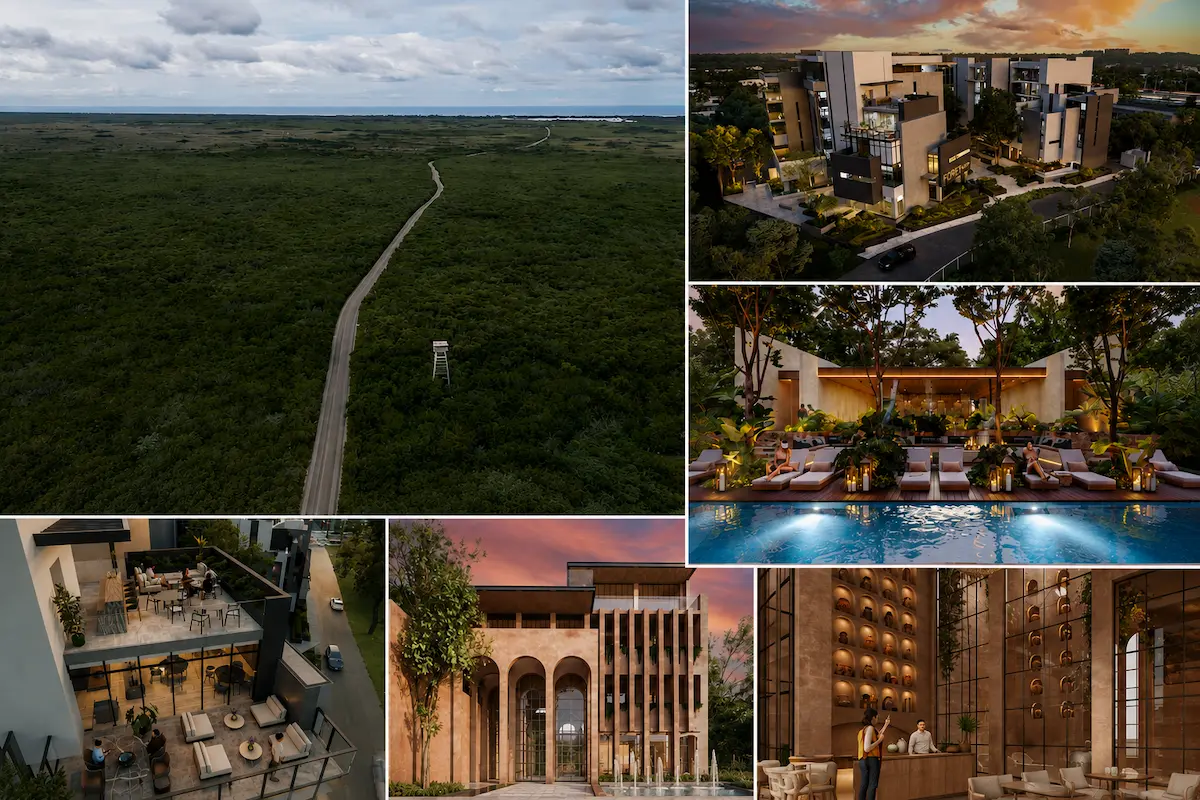
Buyers who completed payments discovered that developments such as Amaranto, Porto, and Sayab exist only on paper. These sites remain natural scrubland with no water, electricity, roads, or sewage.
- Amaranto: No water, light, or roads; Semarnat ruling negative.
- Porto: Undeveloped raw land; negative environmental ruling.
- Sayab: Legal limbo with no service works; no authorization.
Many purchasers said they paid in full after seeing glossy renderings of exclusive subdivisions, only to find they could not build or live on their lots.
Company Response
Grupo Foret denies wrongdoing, stating its role is limited to lot sales and that responsibility for permits and infrastructure lies with third-party developers. Critics say this contradicts the company’s marketing, which promised fully equipped communities.
No final court rulings have assigned criminal or administrative liability, but the evidence has reignited debate over stronger oversight of real estate agencies in Mexico’s fast-growing southeast, where land speculation threatens legal certainty and ecological balance.