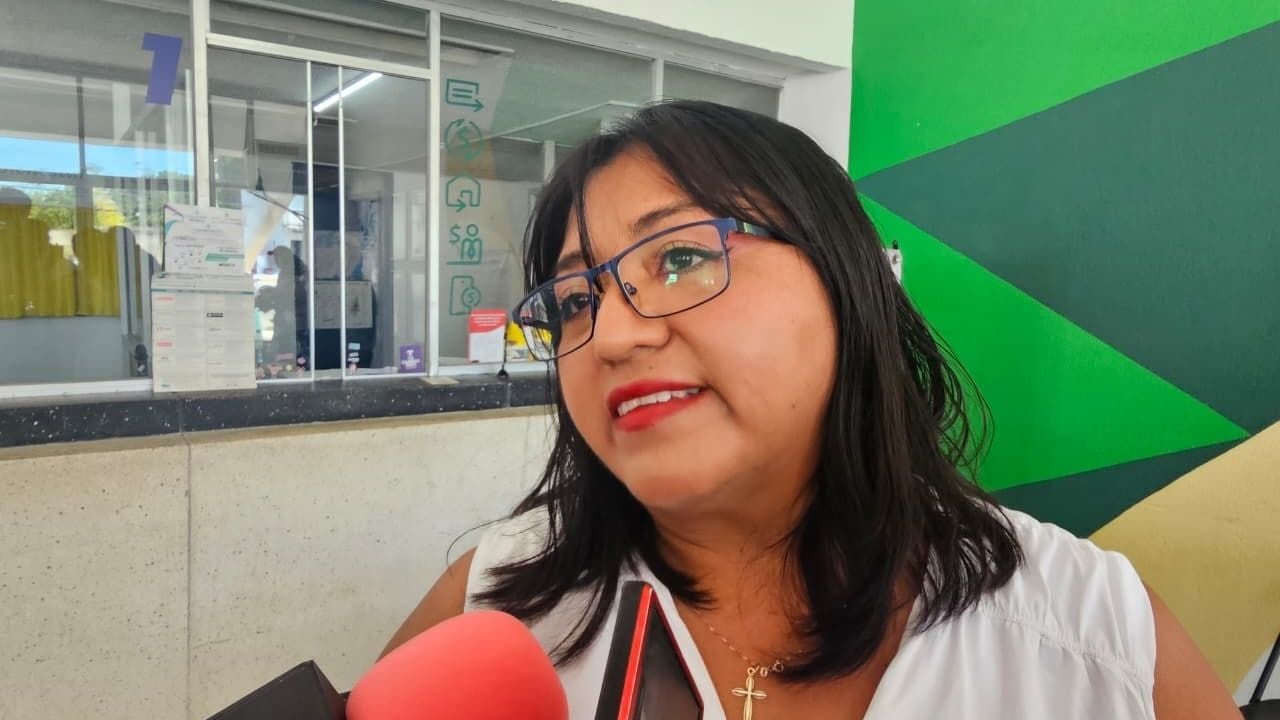
Chetumal, Quintana Roo — The head of the National Institute of Indigenous Peoples (INPI) office in Quintana Roo has rejected allegations of embezzlement made by members of the Gran Consejo Maya, insisting that federal funds for indigenous communities are delivered directly and under strict oversight.
Venancia Ko Chuc, the acting director of the INPI representation in the state, said accusations from Gran Consejo Maya members Gabino Cruz and Simón Camal last year may have been motivated by personal interests.
“I can speak about the work I have done with indigenous communities across the state. None of the 240 indigenous communities registered in the national catalog has come forward to say that money has been stolen from them,” Ko Chuc said.
The INPI reported that in 2025 it allocated nearly 30 million pesos (about $1.5 million) to projects in Quintana Roo. Ko Chuc explained that the Gran Consejo Maya does not receive direct INPI funding because it operates as a civil association, while the institute’s programs are aimed at officially recognized indigenous communities.
Federal support for infrastructure, productive projects, and other initiatives is delivered directly to community committees, which manage the funds and report back to their members, she said. Ko Chuc noted that one of the INPI’s main critics, Gabino Cruz, himself received resources for ceremonial center projects and was responsible for administering them directly.
“He receives the funding directly into his account and also reports to his people, so he cannot say that someone stole from him,” she said.
In 2025, the INPI channeled around 30 million pesos in Quintana Roo for indigenous infrastructure, productive initiatives, tourism projects, and actions related to the implementation of indigenous rights, including training workshops for women and men in the communities.
Regarding 2026, Ko Chuc acknowledged that resource allocation has been slow due to administrative procedures and federal fund release processes. However, she expressed confidence that projects will begin to materialize in the second half of the year and that investment will reach levels similar to or higher than last year.
There are currently 240 indigenous communities registered in Quintana Roo within the National Catalog of Indigenous and Afro-Mexican Peoples and Communities, but Ko Chuc estimated that about 10% more localities still need to be added. The institute is working to update the registry to include new indigenous communities.
Ko Chuc called on unregistered communities to complete the process, noting that beyond economic support, being part of the catalog represents official recognition of their collective rights. Registration grants communities access to rights established in Article 2 of the Mexican Constitution, including the right to be consulted, to participate in decision-making spaces, to be recognized as subjects of public law, and to self-determination over their territories.
The catalog was published in 2024, and an update is underway to incorporate communities not yet included in the national registry.
More Politics
- Mexico’s Lower House Approves Single-Nationality Requirement for Presidency and Governorships
- Mexico and EU Bring Modernized Global Agreement to Congress as Senate Ratification Looms
- US Seeks Deeper Security Ties With Mexico Without Intervention, Ambassador Says
- Moody’s Warns Mexico Faces Negative Fiscal Trend on Rising Debt and Weak Growth
- Trump Warns UN: Unmatched Military Might Against Cartels
More Quintana Roo
- Two Atlantic Low-Pressure Areas Watched; One Shows 40% Cyclone Chance
- 40-Hour Workweek in 2027 Will Speed Up Robots and AI in Hotels, IMEF Says
- Quintana Roo Reports 282 Dengue Cases, Eight of Them Severe
- Lawmakers Propose One Tree Every 15 Meters in New Quintana Roo Developments
- Trafficking Cases Keep Quintana Roo on Alert With 159 Reported in 2026