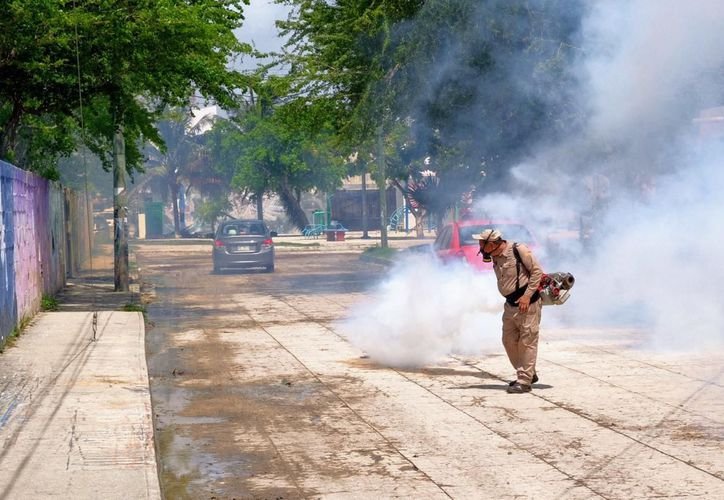
Cancún, Quintana Roo — Heavy rains across Cancún have fueled a surge in the Aedes aegypti mosquito population, pushing Quintana Roo’s accumulated dengue cases to 361 so far in 2026, according to federal Health Ministry data.
Officials confirmed 51 new infections statewide over a two-week period. Quintana Roo now ranks sixth nationally for dengue incidence rate, while Mexico has recorded 6,798 cases and 26 deaths overall.
Hotspots and High-Risk Groups
- Playa del Carmen and Othón P. Blanco account for more than 50 percent of reported cases.
- Adolescents aged 10 to 19 are the most affected group.
- Health Jurisdiction No. 2 is conducting fumigation in “hot zones” identified through ovitraps and carrying out larval control measures.
Symptoms of Dengue
Héctor González Rodríguez, director of municipal health in Benito Juárez, noted that the region is endemic, making dengue one of the conditions doctors consider when patients arrive with high fever.
He stressed that public participation — clearing patios and eliminating containers holding stagnant water — is the most effective tool against the disease.
Dengue symptoms typically appear four to 10 days after a bite and include:
- Sudden high fever that can reach 40 degrees Celsius (104 Fahrenheit).
- Headache and intense pain behind the eyes.
- Severe muscle and joint pain.
- Secondary symptoms such as nausea, vomiting, a red rash appearing around the third day, and extreme fatigue.
More Community
- What Pluricultural Nation Day Means for Quintana Roo
- Progreso Hyperbaric Chamber Logs 181 Sessions for Divers and Patients Since June
- Cancún Finishes Demolishing Old General Hospital as Work Begins on New Maternal-Infant Facility
- YouTube Reaches 75 Million Adult Users in Mexico, Topping Streaming Rivals
- Tulum Reports Fewer Traffic Accidents and Injuries in Third Quarter of 2026
More Cancun
- Cancún Hotels Offer Free Nights as Industry Faces Worst Year, Vara Says
- Man Jumps From Third-Floor Window in Cancún as Lover’s Husband Arrives
- Nine Arrested in Cancún Over ‘Gota a Gota’ Loan Shark Extortion Ring
- Tourist Police Seize 27 Suspected Cocaine Packages on Cancún Hotel Zone Beach
- Cancún Prepares Second Nighttime Operation to Protect Blue Land Crabs