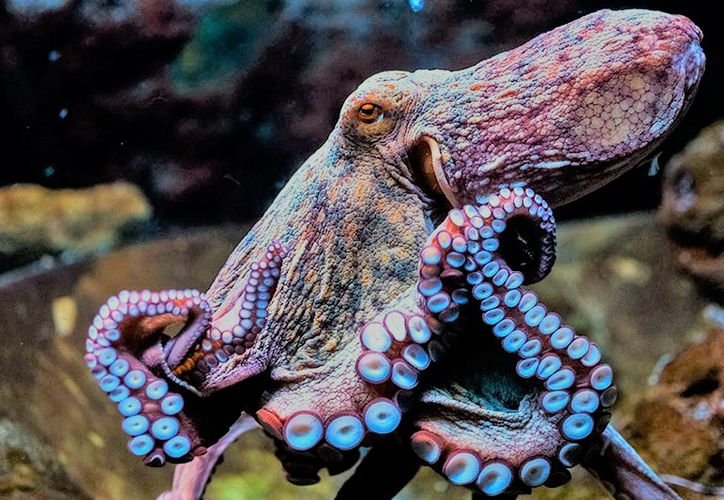
Quintana Roo, Mexico — The Maya octopus fishery in Quintana Roo is enduring a critical stretch of low production and microplastic contamination, according to fishing industry figures and scientific research.
While the Yucatan Peninsula accounts for high volumes of regional output, the Quintana Roo coast produces far less. Regional catch data shows the gap clearly:
- Yucatan: Far ahead of the region with 26,905.5 tons.
- Campeche: Second place with 8,950.2 tons.
- Quintana Roo: Just 614 tons, underscoring the pressure on local populations.
Microplastics and the Coming Ban
Adding to the weak output is an environmental warning from the Institute of Marine Sciences and Limnology at the National Autonomous University of Mexico (UNAM). Its studies detected synthetic particles in the digestive tracts of red octopuses in the southern Gulf of Mexico, showing that pollution has worked its way into marine food chains and is affecting the physiological health of this endemic species.
Against that conservation backdrop, authorities are reminding the industry that the season will close and give way to the annual ban:
- Closed season: The official ban begins on December 16 and runs through July 31 of the following year in Quintana Roo, Campeche and Yucatan.
- Biological aim: The seven-and-a-half-month measure is intended to guarantee reproduction and allow populations to recover before commercial fishing resumes.
More Environment
- Semarnat Rejects 108-Room Hotel at Punta Venado Over Mangrove Protection
- Semarnat Convenes Working Groups to Protect Mahahual’s Environment
- Xcaret Forum Urges Tourism Industry to Grow Without Harming Nature
- Semarnat Approves Beach Recovery Project in Akumal
- Cancún Prepares Second Nighttime Operation to Protect Blue Land Crabs
More Quintana Roo
- What Pluricultural Nation Day Means for Quintana Roo
- Maya Train’s Entire Route Gets Internet Next January
- Electoral Institute of Quintana Roo Opens 152 Jobs Paying Up to 23,000 Pesos a Month
- Morena Deputy Marybel Villegas Missed 52 of 197 Legislative Votes, Records Show
- Heavy Rains Drive Dengue Cases to 361 in Quintana Roo