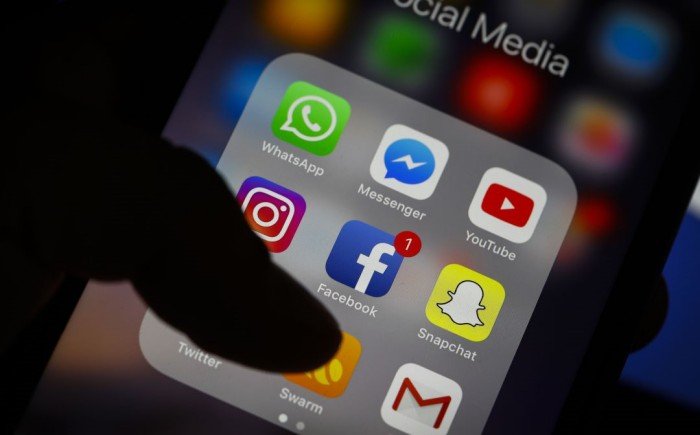
Mérida, Yucatán — Banning cellphones from classrooms is not enough to protect children and teenagers from online risks, advocacy groups said, urging the Mexican government to pursue broader regulation of social media and digital platforms.
SocialTIC, Tejiendo Redes Infancia, Tec-Check and El Poder del Consumidor called for a national discussion about the platforms used by minors, but said measures must go beyond restricting device use in schools.
The groups identified several concerns: the collection of children’s personal data, user surveillance, algorithms engineered to maximize screen time, targeted advertising, and the use of artificial intelligence to detect and exploit minors’ vulnerabilities.
“We can take the cellphone out of the classroom, but if we leave what happens inside the screen intact, the problem remains,” said Fiorentina García Miramón, director of Tec-Check. She noted that once young users return to social media they face notifications, infinite scrolling and personalized recommendations — all designed to keep them engaged.
Tec-Check also said protections for minors introduced by tech companies should not be limited to certain countries, but should become global standards.
Surveillance and data collection
Juan Manuel Casanueva, director of SocialTIC, said addressing the impact of social media on childhood and adolescence requires comprehensive strategies involving young people themselves, public institutions, digital platforms, schools and caregivers.
He highlighted the risk that age-gating tools could rely on surveillance and facial recognition, which involve collecting sensitive personal data that might later be used for commercial purposes. He also said institutions responsible for prosecuting crimes committed online and supporting victims must be held accountable.
Tech companies, he added, should respond to concerns raised by children, families and experts and prioritize human rights and well-being over commercial interests.
Children must be part of the conversation
Juan Martín Pérez García, coordinator of Tejiendo Redes Infancia in Latin America and the Caribbean, said digital environments are playing a growing role in young people’s socialization, education, independence and future careers.
That means children and adolescents cannot be left out of debates over how these platforms are governed, he said.
Although the internet and digital technologies were not originally designed with minors in mind, Pérez García said they have become spaces where young people exercise significant rights and build relationships. He called for an intergenerational dialogue that guarantees their rights and holistic protection without excluding them from the benefits of digital technologies.
More Government
- Puerto Morelos launches weekly sargassum watch until 2026
- Why Mexico’s Treason Charge Over a U.S. Raid Matters
- Hells Angels Leader Arrested in Cancun Over Cartel Drug Trade
- Mexico’s Lower House Approves ‘Anti-Meme’ Law as Opposition Warns Over Free Speech
- Senate to Review Legality of IMSS Changes to Modality 40 Pension Scheme