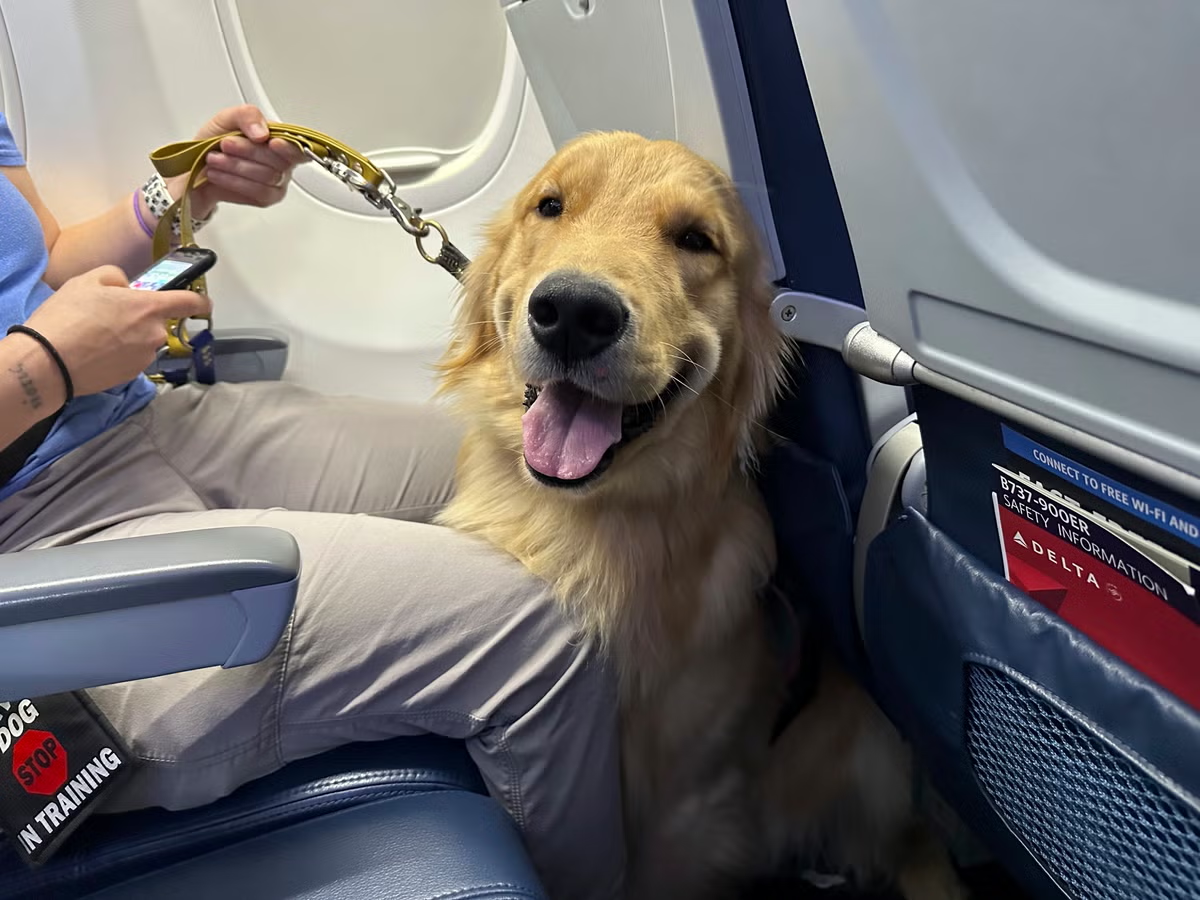
Mexico — The rules for dogs traveling from the United States to Mexico changed again this week, easing some of the immediate concern for pet owners after a short-lived USDA advisory appeared to halt dog travel south of the border.
On June 10, the U.S. Department of Agriculture’s Animal and Plant Health Inspection Service (USDA APHIS) amended its New World screwworm notice for Mexico. The updated language states: “Pet dog travel to Mexico will proceed according to previously established procedures. Updated requirements will be posted once they are finalized.”
That is a significant change from the earlier notice, which appeared to include pet dogs among several animal categories temporarily halted from export to Mexico after New World screwworm was detected in the United States.
The broader restrictions remain in place for several other species. USDA APHIS still lists a halt on exports from all U.S. states to Mexico for cattle, wild ruminants, horses, sheep, goats, reproductive swine, ferrets, and certain birds. But pet dogs have now been separated from that list and are being allowed to travel under the previous process.
For travelers, the practical takeaway is this: dogs may once again travel from the United States to Mexico, but owners should follow the normal SENASICA inspection process on arrival and continue checking official updates before departure.
Since 2019, Mexico has not required a health certificate for dogs and cats entering from the United States. Dogs and cats may be taken to the border without health certificate documentation, where they are inspected by SENASICA personnel at the Mexican Animal and Plant Health Inspection Office, known as OISA. Inspectors verify that the animal does not show signs of infectious disease, is free of ectoparasites, and does not have fresh wounds or wounds in the healing process.
The wound inspection now matters even more because of New World screwworm, a parasitic fly whose larvae infest the living tissue of warm-blooded animals. USDA confirmed the pest in Texas on June 3 and later reported additional detections in Texas and New Mexico, including a dog. Screwworm can affect livestock, pets, wildlife, and, less commonly, people and birds.
The issue is not food safety. USDA has stated that screwworms do not infest meat, fruits, vegetables, or other food products. The concern is animal movement, especially animals with wounds or exposure risk.
Pet owners also need to understand the rules in the other direction. Dogs traveling from Mexico into the United States may still enter, but they must meet existing CDC and USDA requirements. That includes the CDC dog import process and USDA APHIS screwworm freedom certification requirements for dogs coming from Mexico, which the United States considers affected by screwworm.
In short, dogs can travel from the U.S. to Mexico again under the previous Mexico entry process, but returning to the United States still requires attention to U.S. import rules.
Cats are not listed in the current USDA screwworm export halt for Mexico. Under existing Mexico guidance, cats continue to follow the same general SENASICA inspection process as dogs when entering Mexico from the United States.
Canada has not announced a ban on pet dogs entering, but Canadian officials and veterinary groups are advising pet owners to inspect animals for possible screwworm symptoms if they have been in Texas or other affected areas.
Because the situation is changing quickly, travelers should not rely on old screenshots or social media summaries. Before crossing or flying, check the USDA APHIS pet travel page for Mexico, confirm airline requirements if flying, and consider having a veterinarian inspect your dog before travel, especially if the animal has any skin irritation, wounds, or healing lesions.
Anyone with immediate questions can contact the USDA APHIS Customer Service Center at 844-820-2234, Monday through Friday, 9:00 a.m. to 5:00 p.m.
For now, the panic has eased, but the advisory is not gone. Dog travel from the United States to Mexico is moving again, while officials on both sides of the border continue working on updated screwworm protocols.
More Lifestyle
- Leonardo Aguilar to Headline Free Cozumel Concert for Grito de Independencia 2026
- Mexico’s Treasury Seeks Power to Ban Cash Payments Sector by Sector
- Mérida Opens First Green Corridor to Fight Climate Change
- Isaac Del Toro Wins Montreal Grand Prix in Canadian Classic Debut
- El Niño Keeps Atlantic Hurricane-Free, Setting Record for Latest First Storm in Decades