Cozumel, Quintana Roo — Health authorities in Cozumel are ramping up preventive measures against malaria and dengue after a probable malaria case was detected in a visitor from another state.
Hugo Alberto Pérez Rosas, head of the Vector Control Department at the Cozumel Health Secretariat, said the case involved a tourist from a state with endemic malaria, not a local resident. He explained that any suspected case triggers protocols including fever searches and health cordons, along with public information campaigns about symptoms such as headache, sweating, and tertian fever.
Pérez Rosas noted that Quintana Roo holds a malaria-free certification but remains vulnerable to imported cases from endemic areas like Chiapas. Constant epidemiological and entomological surveillance is maintained in areas with migrant populations, such as construction sites and the few livestock or agricultural zones on the island.
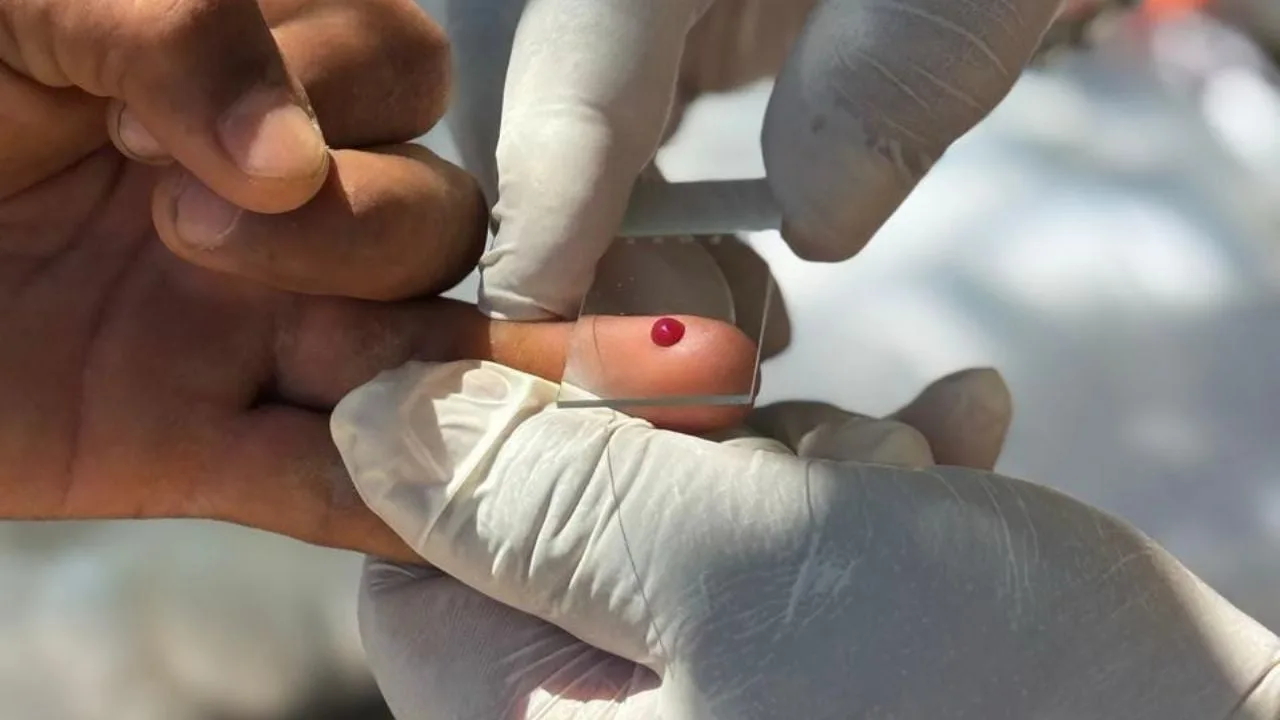
Health workers conduct thick blood smear tests as part of malaria surveillance. The official urged residents traveling to states with malaria to get tested upon return. Tests are processed at the Playa del Carmen laboratory, with results available within hours.
Regarding dengue, Pérez Rosas said suspected case reports remain low on the island, but preventive actions have not stopped. For two months, mass fogging has been carried out in urban areas, with morning brigades targeting green spaces and illegal dumpsites, and vehicles spraying neighborhoods in the afternoon.
“Every day there is activity to control adult mosquitoes, which helps break the transmission cycle,” he explained.
Fogging continues in the urban area to control disease-carrying mosquito populations. Brigades are currently working in the López Mateos neighborhood, where indoor fumigation and thick blood smear tests for malaria are being conducted. Pérez Rosas asked residents to allow brigades access, noting that fumigation also combats other pests like cockroaches and ticks.
“It is important for the public to support these actions because they protect family health and keep historically risky diseases under control in the region,” he concluded.
More Environment
- Mexican Navy Opens Youth Photography Contest on Ocean Conservation
- WHO Warns El Niño Poses Major Global Health Threat
- Hurricane Polo Hits Category 5; Five Mexican States Brace for Heavy Rain
- Isla Mujeres Fishermen Face Grouper Shortage as Catch Barely Covers Local Demand
- Cancún Officials Urge Residents to Protect Pets After Reported Puma Sighting in Cuna Maya
More Cozumel
- Cozumel Submarine Power Cable to Be Installed Oct. 5 After 40-Year Wait
- Cozumel Reports Alcohol and Drug Use Starting at Age 11
- Cozumel Lifeguards Keep Watch Over Playa Caleta After Crocodile Sighting
- Cozumel Launches Rabies Vaccination Drive With 3,000 Free Doses for Pets
- Ultramar Ferry Collides With Xcaret Xailing Vessel at Cozumel’s Muelle Fiscal