Akumal, Quintana Roo — As sargassum continues to drive visitors away from beaches along the Mexican Caribbean, community-based tourism projects in the jungles of the Riviera Maya are positioning themselves as an alternative. But promoters say a lack of transportation, promotion, and integration into official strategies is keeping their potential hidden.
Pablo Cruz Morales, president of the Uxuxubi association, said the sargassum crisis should be an opportunity to promote nature destinations that exist just a few kilometers from the coast but remain virtually unknown to most tourists.
Uxuxubi is located about 10 kilometers northwest of Akumal, within a corridor where some 15 small ecotourism projects operate, offering hiking, cenote tours, zip-lining, and nature experiences. The community center has been developing a sustainable tourism model since 2007, based on environmental conservation and family participation. Its attractions include two lagoons, several cenotes (half-moon, open-air, and cave), a zip-line system, kayaking, wildlife observation, and more than 30 kilometers of trails for hiking, mountain biking, and birdwatching.
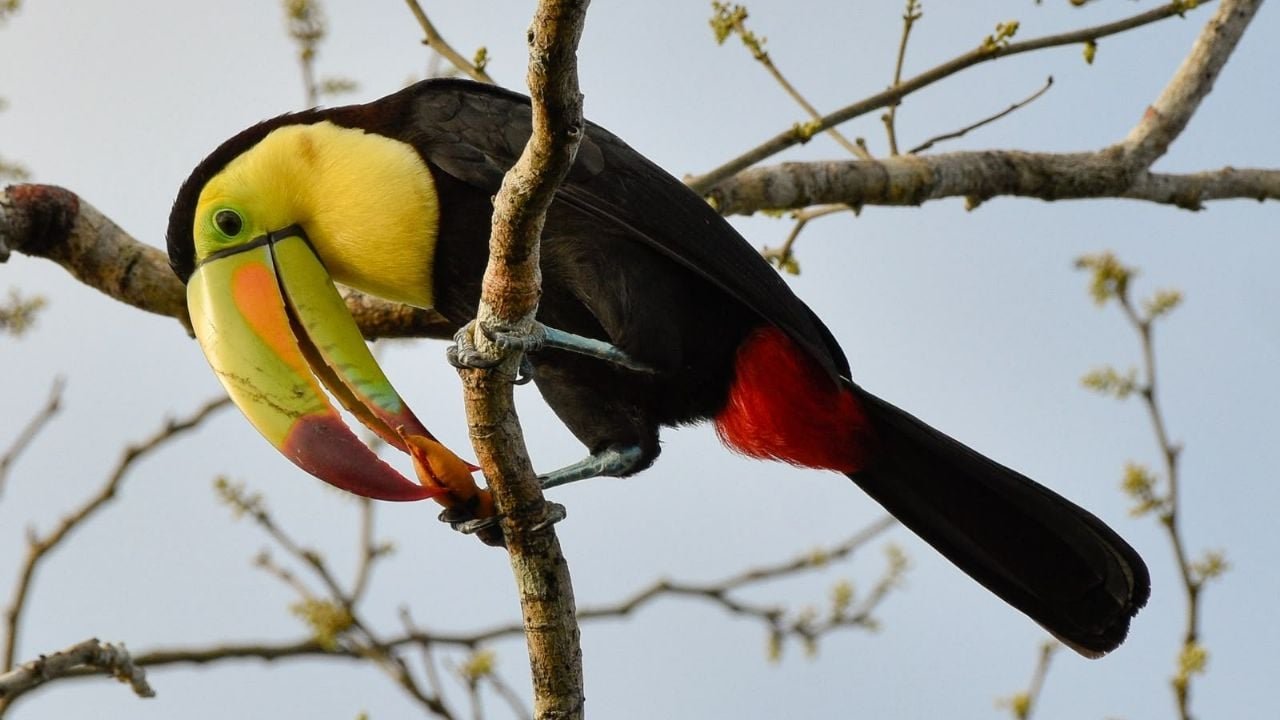
Cruz Morales noted that the site has become one of the most important birdwatching spots in the region, where dozens of species can be heard or spotted in a single morning without venturing deep into the jungle.
Despite this natural wealth, he lamented that these projects lack sufficient promotion and remain outside the main tourist circuits. The low visitor numbers have drastically reduced income for families dependent on nature tourism.
“People who come to Akumal often leave frustrated because the beach conditions aren’t what they expected, but they don’t know that right across from them there’s a world of possibilities with lagoons, cenotes, and jungle,” he said.
Cruz Morales attributed part of the problem to poor connectivity. The access road from Akumal runs mostly through Tulum territory, which he said has made it difficult to develop a joint strategy to promote nature tourism. As a result, visitor numbers have plummeted. While the project used to receive up to 1,200 people per month through agreements with tour operators, it now gets only about 40 monthly visitors — a drop that directly impacts the families who depend on ecotourism.
He added that a large portion of the income must go toward maintaining the access road, which is worn down by constant recreational vehicle traffic, especially ATVs.
Cruz Morales called on municipal and state authorities, along with tourism service providers, to build a joint strategy to strengthen the ecotourism corridor. Proposals include establishing a public or tourist transport route connecting Akumal with ecotourism projects, setting up a permanent information booth to guide visitors, and developing promotional campaigns that include these community enterprises in the official Riviera Maya offerings.
He also urged authorities to engage in dialogue with small producers and operators to design public policies that meet their needs and help consolidate a more balanced tourism model.
“These are hidden treasures,” he said, insisting that better promotion and access conditions would allow more visitors to discover these spaces and generate economic benefits that currently barely sustain those who have chosen to preserve the jungle and share it with tourists.
More Tourism
- Cancun’s Tourism Reset: Regenerative Travel Takes Center Stage
- Cinépolis at Plaza Las Américas in Cancún Closes Over Water Leaks
- Judge Orders Pretrial Detention for Driver in Cancún Crash That Cost Motorcyclist a Leg
- Sargassum Could Cost Mexican Caribbean $11.5 Billion a Year, IDB Estimates
- Authorities Investigate Vacation Package Scam Ring at Playa del Carmen Hotel