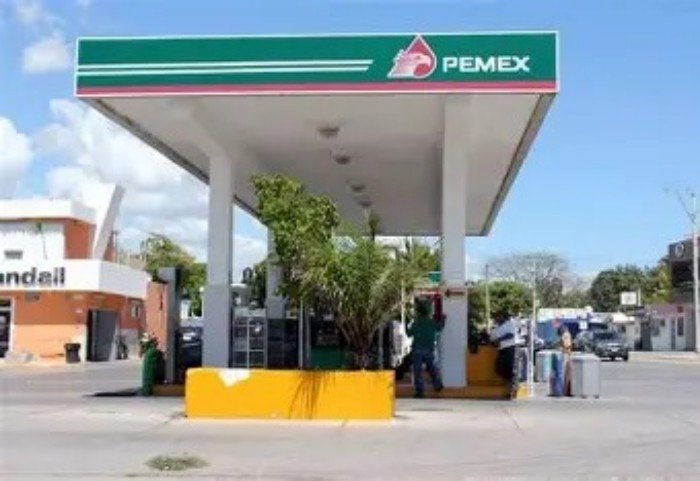
Chetumal, Quintana Roo — A federal proposal to ban cash payments at gas stations starting in January would be unworkable in rural Quintana Roo, where many residents have no bank accounts and service stations struggle with unreliable internet and electricity, the head of a local civic group said.
Georgina Marzuca Fuentes, president of the Chetumal Citizens’ Council, said limiting fuel purchases to a single digital payment method would create operational problems and directly affect consumers, particularly in rural communities that lack internet service and suffer frequent outages.
The federal plan would be rolled out gradually, with the aim that at least 50 percent of fuel retail outlets adopt the system by 2030. Marzuca Fuentes said that timetable does not resolve the underlying problem.
“The proposal is unviable under current conditions, particularly in rural communities where a large part of the population lacks bank accounts or cards, and where service stations face constant internet and electricity failures,” she said.
She noted that Distribuidora Garabana supplies the southern part of the state, but not all gas stations are affiliated with it — some source their own fuel — and that federal fuel matters are handled through the national network of fuel distributors, which she said reflects how difficult it would be to apply a uniform rule across the country.
“It’s complicated for the entire country, especially in rural areas, because many people don’t even have accounts or bank cards that would let them pay this way. On top of that, many service stations in communities constantly lose their internet,” she said.
Marzuca Fuentes said that beyond the technological hurdles, the proposal needs a thorough review so it does not become an obstacle to regional economic development. She pointed out that growth programs in the southern part of the state have yet to produce concrete results and that insecurity continues to limit investment.
Any public policy, she argued, must account for the real conditions in communities and ensure that modernization efforts do not shut out vulnerable groups.
For the business owners and residents of Chetumal, she said, the priority should be a stable and secure economic environment before measures are imposed that could create more problems than they solve.
More Economy
- Back-to-School Costs Push Mexico’s Inflation to 3.42% in Early September
- Peso Weakens to Five-Month Low as Banxico Holds Rates Steady
- Mexico Targets Half of All Payments Going Digital by 2027 Under New Law
- Playa del Carmen Courts French Tourists With Experiences Beyond All-Inclusive Resorts
- Quintana Roo Aims to Close 2026 Near 20 Million Overnight Tourists With High Hotel Occupancy
More Chetumal
- Tren Maya Freight Complex in Chetumal to Break Ground in 2027
- More Than 200 Children Evacuated From Chetumal Daycare After Electrical Fault
- Quintana Roo Prisons Add Digital Visit Booking and Family Spaces
- Bamboo Growers From 13 Mexican States Form National Association
- Chetumal Chef Kevin Chávez to Represent Mexico at S.Pellegrino Young Chef Regional Final