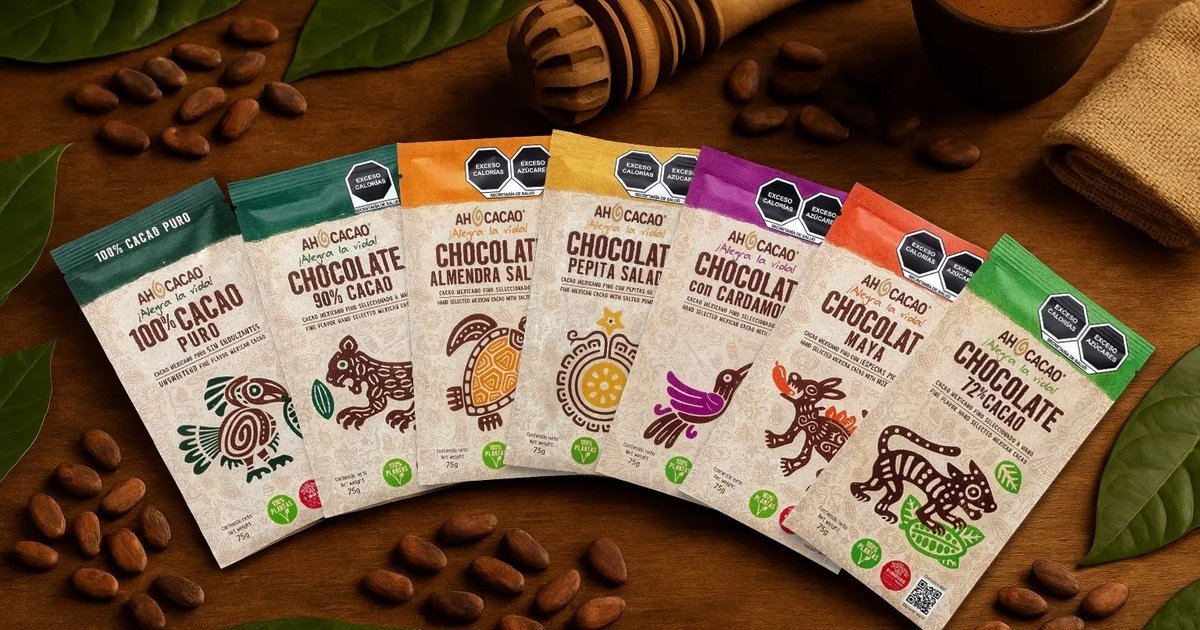
Playa del Carmen, Quintana Roo — Ah Cacao, the Playa del Carmen-born artisan chocolate brand, is marking World Cocoa and Chocolate Day with a week of community events designed to celebrate one of Mexico’s oldest and most important culinary traditions.
The company promoted its Cacao 2026 activities in Playa del Carmen and Cancún ahead of July 7, a date widely observed by chocolate makers and cacao advocates as World Cocoa and Chocolate Day. Ah Cacao’s program included tastings, wellness activities, a run party, and a chocolate-making workshop using a traditional metate, the stone grinding tool long associated with Mesoamerican food preparation.
For Mexico, cacao is more than a sweet ingredient. The National Institute of Anthropology and History, INAH, has described cacao as a crop with deep pre-Hispanic roots, noting that its domestication dates back thousands of years before the Olmec period and that it held social, historical, and cultural importance in Mesoamerica. Ah Cacao’s own company story highlights that cacao has been cultivated in Mexico for at least 3,000 years and was highly valued by pre-Hispanic cultures, including as a form of money.
That history helps explain why cacao remains so closely tied to Mexican identity. Long before chocolate bars and café drinks, cacao was prepared as a beverage, used in ritual settings, valued for its perceived medicinal properties, and traded as a prized commodity. Today, that legacy continues through small producers, artisan chocolate makers, and consumers interested in knowing where their chocolate comes from.
Cacao also remains an important agricultural product. Recent reports citing FAO data place Mexico’s annual production at about 29,000 metric tons, with the crop supporting more than 45,000 Mexican families. Tabasco is the country’s leading producer, followed by Chiapas, with Oaxaca and Guerrero also contributing to national production.
Ah Cacao was formally founded in 2004 in Playa del Carmen, after its founders were inspired by a visit to a cacao farm and the idea that more people should understand the story behind chocolate. The company says it works with family-run farms and produces its chocolate, desserts, and cacao-based products in a small solar-powered factory in Playa del Carmen. Its own timeline notes that the factory was designed to be more environmentally friendly, with solar panels and natural ventilation.
Over the years, the brand has grown from one local café into a recognizable Mexican Caribbean business, with cafés in Playa del Carmen and Cancún and packaged products available in stores across Mexico. Its menu includes chocolate drinks, cold cacao beverages, mochas, coffee drinks, desserts, brownies, ice cream, artisan bread, and chocolate products made with Mexican cacao.
This year’s World Cocoa and Chocolate Day activities were presented not just as a promotion, but as a way to reconnect customers with the origin of chocolate. The traditional metate workshop, in particular, offered participants a hands-on look at how cacao can be transformed through older techniques before becoming the polished chocolate most people know today.
For Ah Cacao, the message is simple: chocolate is not only a treat. It is agriculture, history, culture, and community. And in Playa del Carmen, it is also part of the local food scene that continues to connect the Mexican Caribbean with traditions rooted much deeper than tourism.
More Lifestyle
- Hundreds of Riders Expected for Tulum’s Fourth Federated Horseback Ride
- Quintana Roo Plans Two Wastewater Plants and Two Aqueducts for Cancún and Playa del Carmen
- Playa del Carmen Ranks Second in HIV Cases in Quintana Roo, Official Says
- Cancún Taco Festival Aims to Revive Local Economy in Low Season
- Screwworm Cases Detected in Two Dogs and a Horse in Tulum
More Playa del Carmen
- Quintana Roo Riders Resume ‘Vest Law’ Talks, No Protests
- Playa del Carmen Recognized as International Bull Shark Zone
- Five Zones in Playa del Carmen Lose Urban Jungle to Construction Boom
- Playa del Carmen to Build Tactical Operations Center to Boost Fifth Avenue Security
- Hurricane Isaías to Bring Rain and Heat to Cancún and Playa del Carmen This Weekend