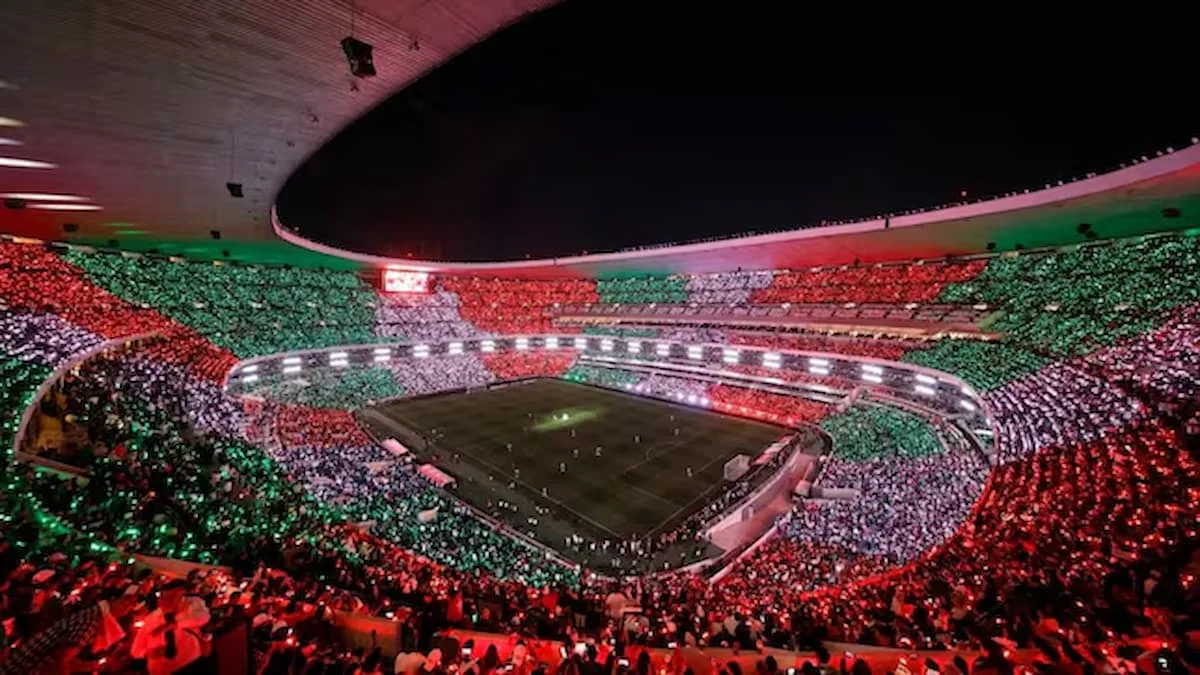
Mexico City — The 2026 FIFA World Cup brought 7.8 million domestic and international travelers to Mexico City, Guadalajara, and Monterrey, generating an economic impact of 65 billion pesos ($3.6 billion) and creating 130,900 jobs, the Mexican Tourism Secretariat (Sectur) announced Wednesday.
The figures far exceeded the agency’s pre-tournament projections of 5.5 million additional visitors, revenue of more than $1 billion (17.88 billion pesos at current exchange rates), and 24,000 direct jobs.
Mexico hosted 13 World Cup matches across the three cities, including all of the Mexican national team’s group-stage games. The tournament ran from June 8 to July 19.
Sectur reported that the 7.8 million travelers included 3.308 million tourists who stayed at least one night and 4.51 million excursionists who visited for less than 24 hours. The total economic impact was estimated at 65 billion pesos, with a direct tourism-related impact of 42.276 billion pesos.
Average hotel occupancy across the three host cities reached 66 percent, a 13-percentage-point increase over the same period in 2025. On match days, occupancy ranged from 85 to 90 percent.
Airports in the host cities handled 6.4 million passengers, including 4.2 million on domestic flights and 2.2 million on international flights. The Mexico City International Airport saw a 1.5 percent increase in international passenger traffic, while Guadalajara and Monterrey recorded increases of 11.5 percent and 10.3 percent, respectively. The Felipe Ángeles International Airport posted an 18 percent rise.
Hotel rates rose an average of 51.5 percent during the tournament, according to Sectur. Food and beverage establishments reported sales increases of 50 to 80 percent, with the average customer ticket rising 60 percent.
Mexico City
The capital hosted five matches at the Azteca Stadium and received 4.4 million travelers, including 2.5 million excursionists and 1.9 million tourists. The economic impact was estimated at 25.865 billion pesos, a 41 percent increase over the same period in 2025. Of the tourists, 68 percent stayed in hotels and 32 percent used digital accommodation platforms.
Monterrey
Monterrey, Nuevo León, hosted four matches and welcomed 1.1 million travelers — 610,000 excursionists and 490,000 tourists. The economic impact was estimated at 5 billion pesos, 21 percent higher than in 2025. Of the tourists, 75 percent chose hotels and 25 percent used digital platforms.
Guadalajara
Guadalajara, Jalisco, also hosted four matches and recorded 2.3 million travelers: 1.4 million excursionists and 918,000 tourists. The economic impact was estimated at 11.411 billion pesos. Of the tourists, 78 percent stayed in hotels and 22 percent used digital platforms.
FIFA Fan Fest in the three host cities drew more than 6.7 million attendees. Mexico City and Monterrey each recorded 2.5 million visitors, while Guadalajara received 1.72 million.
More Tourism
- Puerto Morelos launches weekly sargassum watch until 2026
- Supreme Court Reopens Mahahual Case Against Royal Caribbean
- Cozumel Triathlon Draws 350 Athletes and 13 Million Pesos in Tourism Spending
- Quintana Roo Governor Invites Families to First Janal Pixán Festival in Calderitas
- Tourist Boat Traffic Slumps Across Quintana Roo Ports in September