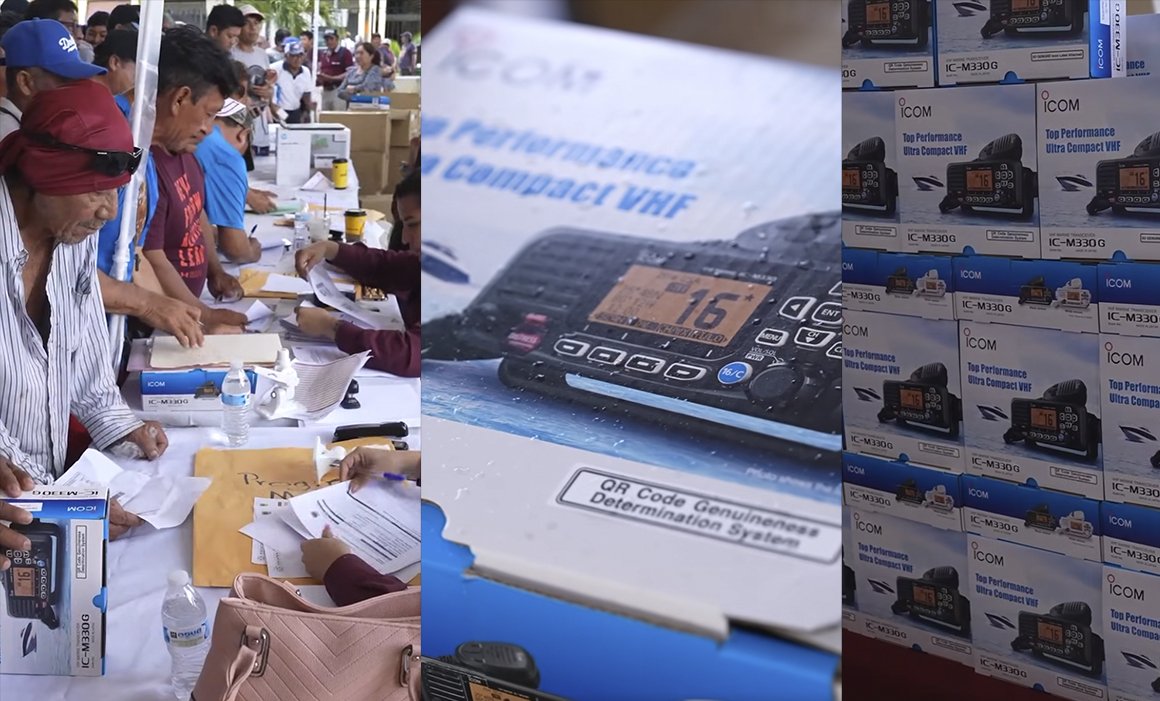
Mérida, Yucatán — The Yucatán government will deliver about 1,000 marine radios to small vessels that have joined the registry of the state’s fisheries agency, as part of the second phase of its “Safety at Sea” program, officials said.
Lila Frías Castillo, head of the Sustainable Fisheries and Aquaculture Secretariat of Yucatán (Sepasy), said the program was launched in 2025 by Gov. Joaquín Díaz Mena with the distribution of communication equipment and life jackets to registered fishermen.
During the first phase, authorities handed out 3,500 marine radios for small boats. This year, the government expects to benefit about 1,000 additional vessels that have since registered with Sepasy, she said.
“New beneficiaries will primarily receive radios, since life jackets were delivered during 2025,” Frías said.
In 2025, the state also distributed approximately 12,800 life jackets, covering nearly the entire registry of fishermen.
Beyond the equipment, Frías said the strategy will be reinforced this year through a “Safe Navigation” campaign aimed at fostering a stronger culture of prevention among people who work at sea. The campaign comes as octopus season begins and other fisheries reactivate on Aug. 1, and also targets those who fish for sport or engage in recreational activities during the holiday period.
“Today it’s no longer ‘if I have a radio, fine, and if I don’t have one, that’s also fine.’ I have to have a radio because that’s what guarantees that you can return home safely,” she said.
Frías dismissed the notion that the equipment is being resold on a widespread basis, saying more than 95% of beneficiaries act responsibly and value the support. Still, she acknowledged that a small percentage of fishermen need more awareness about the proper use of the gear, and said the state must continue working to change attitudes in the sector.
She also highlighted coordination with the Mexican Navy and port captaincies to oversee the departure of tourist and recreational vessels, particularly during vacation periods. Frías warned that weather conditions have become less stable and that climate change makes it harder to predict conditions at sea.
“We can no longer leave safety at sea in second or third place. It is a priority,” she said.
Sepasy aims to pair the delivery of communication equipment with prevention and training actions to reduce risks for both fishermen and those carrying out recreational activities along Yucatán’s coast.
More Government
- Puerto Aventuras Migrant Shelter Issues Urgent Call for Food and Basic Supplies
- Texas’ Big Bend Becomes Border Wall Battleground
- Mexico Seizes 27 Tons of Chinese Tartaric Acid at Michoacán Customs
- Mexico to Restrict Cellphones Throughout the School Day Beginning in October
- Mexico Opens First IMSS-Bienestar Hospital Blending Traditional Midwives With Clinical Medicine