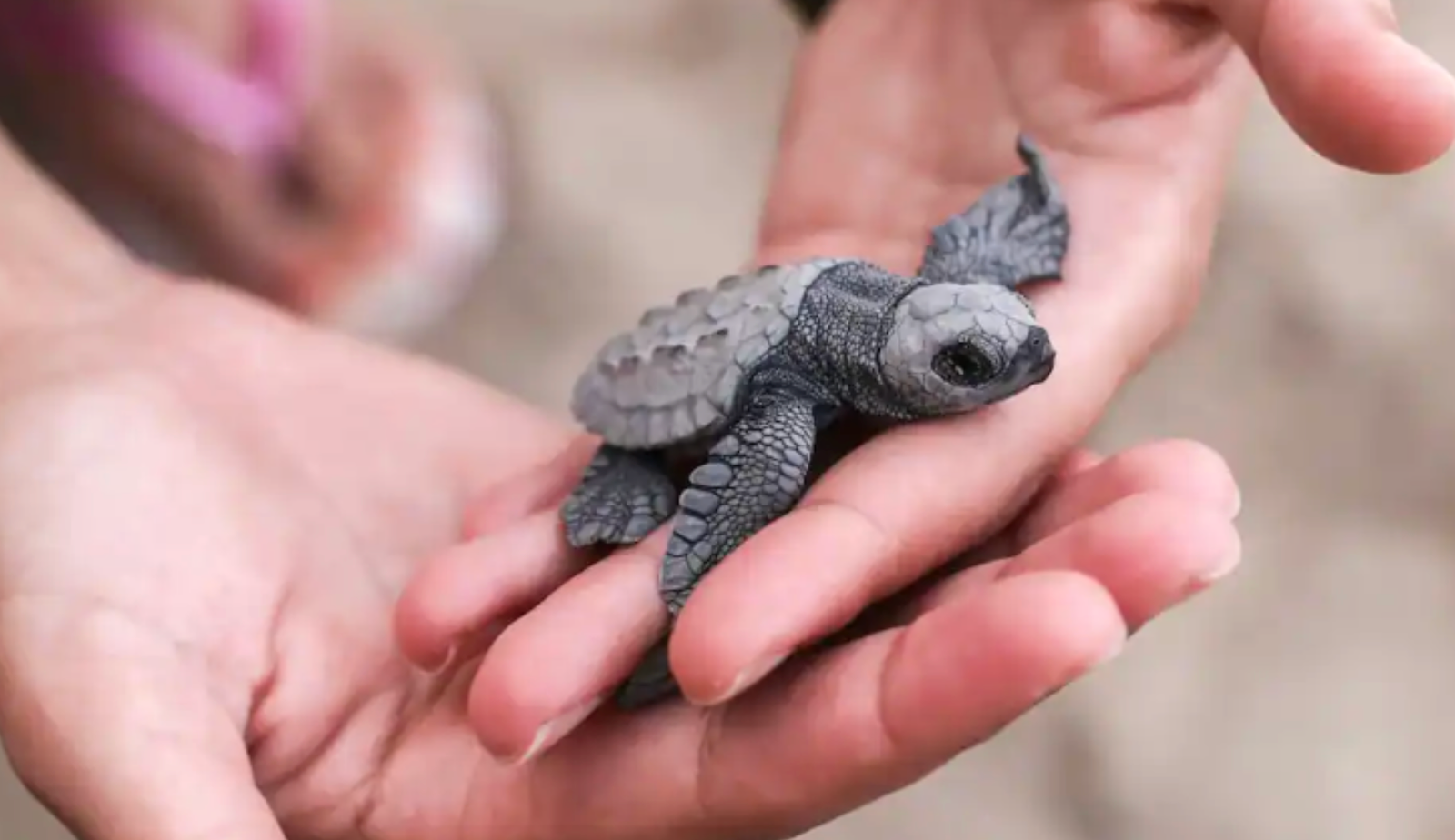
Riviera Maya, Quintana Roo — On World Sea Turtle Day, Fundación Eco-Bahía is highlighting more than two decades of work in Mexico and the Dominican Republic to protect nesting beaches, monitor nests, raise community awareness, and contribute to the conservation of one of the most iconic species essential to the health of marine ecosystems.
A sea turtle can take up to 30 years to reach maturity, and only one in every thousand hatchlings survives to adulthood. Yet behind every tiny track heading toward the sea is a network of people committed to changing those odds.
During 2025, the Foundation strengthened its conservation programs in both destinations. In Mexico, it protected 1,712 nests and released 148,831 sea turtle hatchlings. In the Dominican Republic, it helped protect 4,956 eggs and release 3,420 hatchlings. These results reflect the scope of a conservation strategy that integrates research, monitoring, environmental education, and community participation.
Thanks to this sustained effort, thousands of turtles have been able to safely complete the first and most difficult stage of their lives: surviving external threats and reaching the ocean.
“Each protected nest represents an opportunity to preserve the natural heritage of our destinations. Sea turtles are fundamental species for the balance of the oceans, and their conservation requires a permanent commitment based on science, collaboration, and society’s participation. The results achieved reflect the joint effort of many people working to guarantee a more sustainable future for our seas,” said Luis Verdín, director of Fundación Eco-Bahía Mexico.
Alex Matás, director of Fundación Eco-Bahía Dominican Republic, added: “Behind every turtle that makes it to the sea are hours of monitoring, research, education, and collaborative work. The results achieved show that when different actors come together for a common cause, it is possible to generate a positive and lasting impact for biodiversity.”
The protection of sea turtles has become one of Fundación Eco-Bahía’s flagship programs. In Mexico, its actions contribute to the conservation of species such as the loggerhead turtle (Caretta caretta) and the green turtle (Chelonia mydas). These efforts are complemented by reef restoration programs, wildlife monitoring, and environmental education initiatives that directly reached more than 6,600 people during 2025.
The results also reflect the commitment of collaborators, volunteers, specialists, students, tourists, and strategic partners who actively participate throughout the year in monitoring activities, educational programs, and community awareness efforts.
Today, sea turtles face threats including habitat loss, pollution from waste, incidental fishing, climate change, and various human pressures that affect their reproductive cycles. In this context, collaboration among organizations, authorities, companies, and communities is essential to strengthen conservation actions and help ensure the survival of these species.
The protection of sea turtles is part of the commitment of Fundación Eco-Bahía and Piñero to biodiversity conservation in the destinations where it operates. Through these initiatives, they promote sustainable development, the protection of natural capital, and the creation of a positive legacy for future generations.
On World Sea Turtle Day, Fundación Eco-Bahía is calling for collective action to continue protecting a species that has inhabited our oceans for millions of years and now depends more than ever on everyone’s commitment to securing its future.
These actions consolidate the Foundation’s role as a regional leader in regenerative tourism and the conservation of natural capital. The community is invited to join in protecting the environment and marine life by making donations through the official website: https://eco-bahia.com/colabora
Press release submitted on behalf of Fundación Eco-Bahía Mexico.
More Environment
- Cancún Orders Removal of Grounded Boats From Nichupté Lagoon
- Profepa Shuts Down Work Damaging Coastal Dune in Yucatán
- Yacht Grounded on Mahahual Reef Caused No Coral Damage, Conservationists Say
- Playa del Carmen Awaits Federal Approval to Return 20,000 Tons of Sand Recovered from Sargassum
- Playa del Carmen Councilor Questions Semarnat’s Indigenous Consultation Requirements
More Tulum
- Tulum Yoga Music Fest Plans Week of Classes, Music and Wellness Events
- Gunmen Fire on Ride-Hailing Drivers Along Playa del Carmen-Tulum Highway
- Tulum Businessman Denounces Year-Long Extortion by Alleged Inspection Officials
- Tulum Taxi Union to Launch Xook App With Real-Time GPS Tracking
- Tulum Airport Receives US Deportation Flights Every Friday