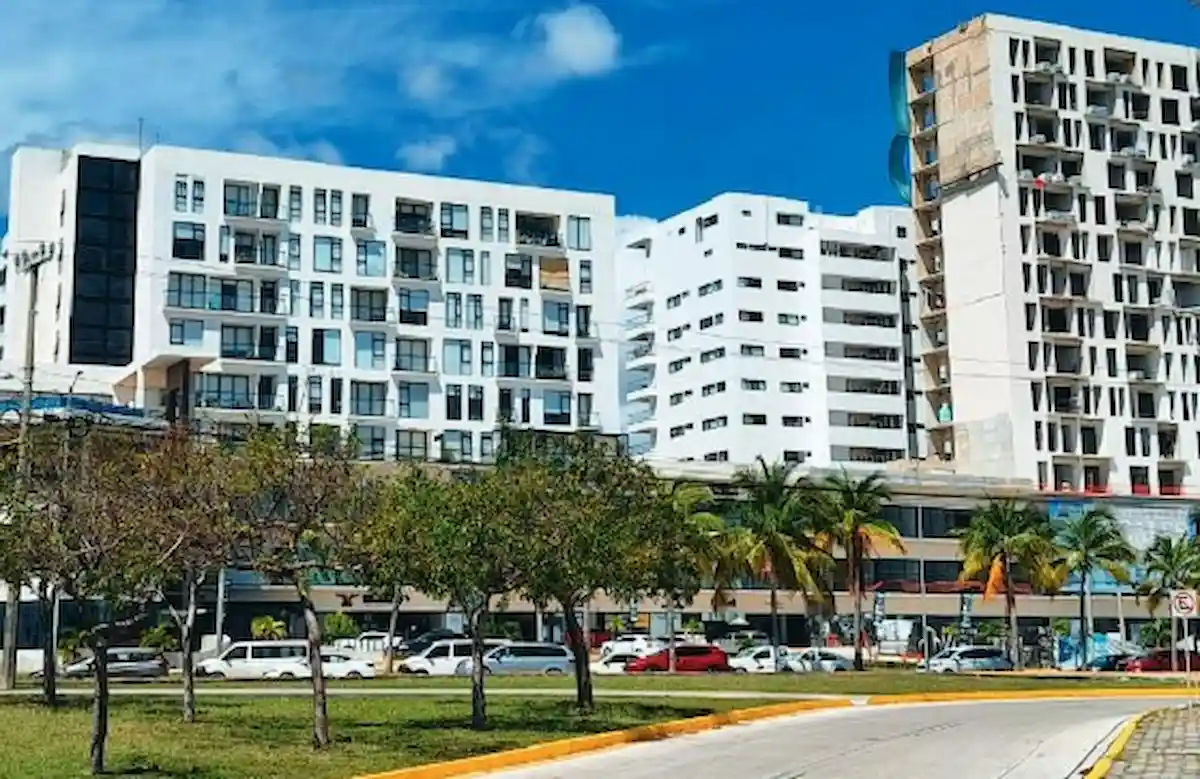
Cancún, Quintana Roo — A November 30 deadline is approaching for Mexico’s real estate industry, but foreign buyers considering a home in Cancún, Playa del Carmen, Puerto Morelos or Tulum do not face the blanket new requirements described in some property-buying advice.
November 30, 2026, is the general start date for updated regulations under Mexico’s anti-money-laundering law. The underlying legal reform was published in July 2025, and Mexico’s tax authority, the SAT, says most of it took effect on July 17 of that year. Several requirements in the new regulations have later deadlines.
The distinction matters to someone buying a presale condominium, a building lot or a vacation home. Developers, brokers, notaries and other participants may ask more questions about who is buying and how a purchase is funded. But the official rules do not support claims that every foreign buyer must obtain a Mexican tax number, apostille an entire document package or rush to close before November 30.
More Scrutiny of Buyers and the People Behind Companies
Mexico’s anti-money-laundering law treats certain real estate activities as actividades vulnerables, or vulnerable activities. That term does not suggest a particular buyer or property is suspicious. It means the business handling the transaction must identify clients, keep records and, when a reporting threshold is met, submit a notice to the authorities.
The law already covers qualifying construction, development and property brokerage. The 2025 reform also expressly covers funds received for a development intended for sale or rent. In its guidance to the industry, the SAT explains that a developer may have obligations both when it participates in a property sale and when it receives funds for a development project.
That could make the paperwork relevant well before a buyer reaches the notary’s office. Someone reserving a presale unit, for example, may be asked to document the purchaser’s identity and the entity making payments. The information required in an individual transaction will depend on its structure and the checks carried out by the developer, bank and notary.
Purchases through a company or other legal arrangement can require a closer look at the people who ultimately benefit from or control it. The revised law identifies one form of effective control as holding voting rights over more than 25% of a company’s capital. Control can also arise through agreements or the power to direct management. That is more precise than saying every person with a 25% ownership stake automatically qualifies: the law says more than 25% of voting rights, and percentage ownership is not its only test.
The Restricted-Zone Fideicomiso Has Not Disappeared
Foreigners buying residential property within 50 kilometers of Mexico’s coastline or 100 kilometers of its borders generally use a bank trust, or fideicomiso, because they cannot hold direct title in those restricted zones. The Foreign Affairs Ministry’s guidance explains that the bank holds title while the foreign beneficiary receives the right to use and enjoy the property. That framework remains relevant across the Caribbean coast.
The new anti-money-laundering regulations contain registration provisions for people carrying out a vulnerable activity through a fideicomiso. In that situation, the rules refer to an RFC tax registration and an electronic signature associated with the trust. They do not say that every existing bank trust holding a foreigner’s home must obtain its own RFC and e.firma solely because November 30 is approaching.
Buyers using a trust should still ask their fiduciary bank and notary what information their particular transaction requires. The published rules do not establish a universal additional four-to-eight-week waiting period for new residential trusts.
The Reporting Figure Is Higher Than the One Circulating
The article’s proposed reporting cutoffs of roughly 500,000 and 1.2 million pesos do not match the SAT’s published thresholds for the real estate activities described above. For those activities, client identification is required regardless of transaction value, while the notice threshold is 8,025 daily UMAs.
Using INEGI’s 2026 daily UMA of 117.31 pesos, 8,025 UMAs equal 941,412.75 pesos. A notice is a filing by the party carrying out the covered activity; it is not, by itself, a finding of wrongdoing by the purchaser. Notaries have their own obligations, so buyers should not assume a single figure governs every participant in a closing.
What Buyers Can Do Before Closing
A buyer can avoid a preventable hold-up by confirming early whose name will appear on the purchase contract, who will send the money and whether a company or trust is involved. Those details should agree with the identification and ownership information supplied to the developer, bank and notary. If an entity is buying, the people handling the transaction may need documents showing its ownership and control.
The draft article’s longer checklist goes beyond what can be stated as a universal requirement of this reform. The anti-money-laundering rules do not impose a blanket requirement for every foreign buyer to provide a U.S. Form 6166 or Canadian tax-residency certificate, hold an active Mexican RFC, present a passport with 12 months remaining, or apostille and officially translate every document. Particular documents may be needed for tax, banking, corporate or trust reasons, depending on the deal.
The timetable is staggered. While the new regulations generally begin on November 30, rules on client risk classification, deeper client checks and beneficial-owner procedures apply to transactions from March 1, 2027. Other deadlines cover compliance manuals, automated systems and audits.
For a buyer, the practical step is to get a transaction-specific document list from the notary, fiduciary bank and seller or developer before committing to a closing date. November 30 is a compliance milestone for the industry, not a published deadline requiring foreign purchasers to complete their deals.
More Business
- Zamna Tulum 2027: Dates, Lineup and Ticket Details
- Cancun Tourism Slumps 7% as Industry Leaders Urge Marketing Overhaul
- Puerto Morelos Port Eyes New Guatemala Trade Route
- Cozumel Freezes New Street Vendor Permits as Review Committee Stalls
- Chetumal Entrepreneur Develops Automatic Hammock Rocker for Mexico
More Quintana Roo
- SCJN Orders Quintana Roo to Legislate Disability Representation
- Quintana Roo Braces for Four Days of Heavy Rain and Flooding
- Former Gubernatorial Candidate Laura Fernández Piña Loses Appeal Against 20-Year Public Office Ban
- Quintana Roo Prison System Scores Drop Sharply Over Overcrowding and Neglect
- Three Men Sentenced in Quintana Roo for Sexual Abuse of Minors, One Receives 120 Years