
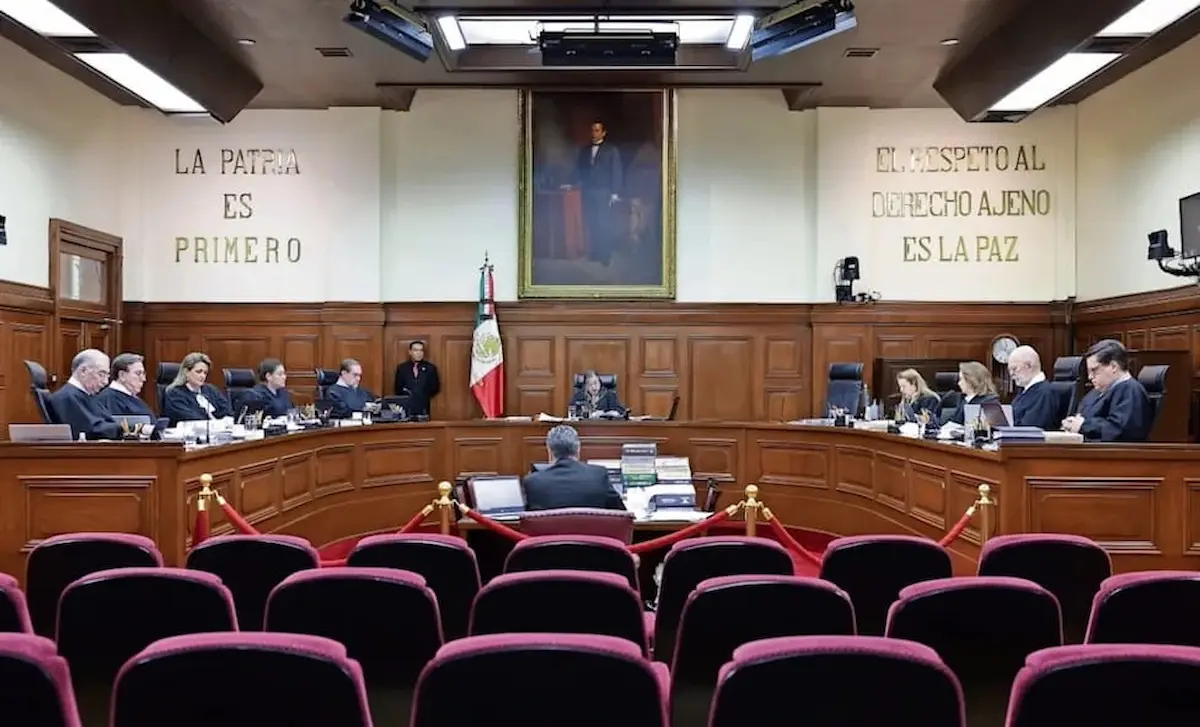
Chetumal — The Supreme Court of Justice of the Nation (SCJN) resolved Unconstitutionality Action 78/2026, validating in general Decree 257, which reformed the Political Constitution of Quintana Roo, but determining that the State Congress incurred a legislative omission by failing to establish affirmative actions that guarantee the political participation of people with disabilities.
In its ruling, the Supreme Court declared the existence of this omission, noting that current local laws lack affirmative mechanisms to ensure the representation of this sector under equal material conditions. It therefore bound Quintana Roo legislators to remedy the regulatory gap after consulting with this social group.
The court order stipulates that the local Congress must conduct the corresponding consultation and issue the appropriate legislation, which must enter into force no later than before the start of the electoral legislative ban period prior to the local process of 2030.
The Court’s resolution also allowed the ministers to establish the criterion that, to declare a legislative omission within the framework of an unconstitutionality action, only a simple majority of five votes is required, as no higher legal threshold is established for such determinations.
Furthermore, within the same file, the Plenary validated that the State Legislative Power was not obligated to carry out a prior consultation with indigenous and Afro-Mexican peoples and communities for this particular reform, concluding that the modifications to the proportional representation system did not generate a differentiated impact for these groups.
With this decision, the Court’s resolution excluded indigenous candidates from the obligation of prior consultation in this package of reforms — despite Quintana Roo having a significant Mayan population — concentrating the inclusion requirements exclusively on vulnerable groups such as people with disabilities, young people and sexual diversity.
Additionally, on the same workday of October 14, the High Court invalidated modifications related to the proportional representation system for the integration of the lists of candidates for local deputies in the entity.
In a separate matter resolved during the same plenary session, the SCJN protected the autonomy of the municipality of Zacatecas by declaring invalid the omission of the ISSSTEZAC to respond substantively to the requests to remove its workers from the state social security system.
Finally, the ruling gave the Zacatecas institute 60 business days to issue a duly substantiated resolution on the termination of the agreement, ensuring respect for municipal finances and the legal certainty of the workers.
More Community
- Playa del Carmen to Review Legal Status of Chen Zubul Property
- Cancún’s Huayacán and 135 Avenue Roadworks Reach 65% Completion
- Playa del Carmen Hosts Second National Firefighters Congress With 750-Plus Participants
- Cozumel Freezes New Street Vendor Permits as Review Committee Stalls
- Tulum’s Mureco Museum Adds 53 Mesoamerican Pieces for Second Anniversary
More Quintana Roo
- Cancun Tourism Slumps 7% as Industry Leaders Urge Marketing Overhaul
- Quintana Roo Braces for Four Days of Heavy Rain and Flooding
- Former Gubernatorial Candidate Laura Fernández Piña Loses Appeal Against 20-Year Public Office Ban
- Quintana Roo Prison System Scores Drop Sharply Over Overcrowding and Neglect
- Three Men Sentenced in Quintana Roo for Sexual Abuse of Minors, One Receives 120 Years