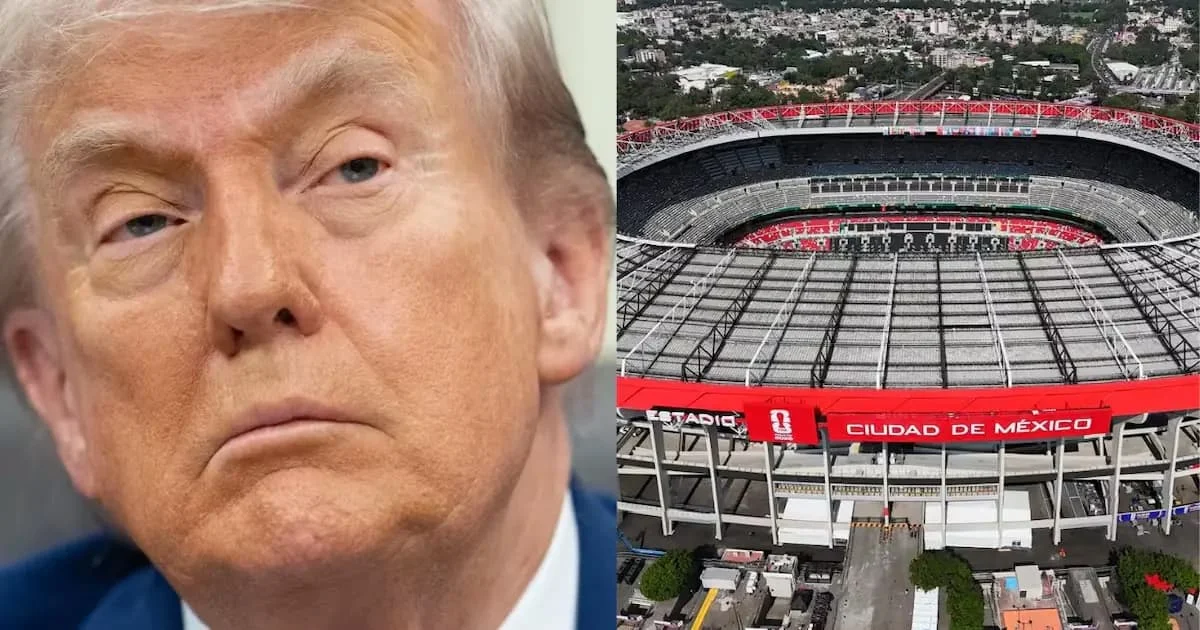
Washington, D.C. — Days before the opening match of the 2026 FIFA World Cup, the U.S. State Department updated its travel advisory for Mexico, officially including terrorism among the risk factors alongside crime and kidnapping.
The advisory, issued on May 29, 2026, applies a technical label — identified by the letter T — to the risk classification of each Mexican state in the U.S. travel warning system.
All three host cities received this designation:
- Mexico City — Level 2 (Exercise increased caution): risk of terrorism and crime.
- Nuevo León (Monterrey) — Level 2 (Exercise increased caution): same category as the capital.
- Jalisco (Guadalajara) — Level 3 (Reconsider travel): the document warns that “battles between criminal groups have occurred in tourist areas” and that “shootouts between these groups have injured or killed innocent bystanders.”
What the ‘T’ label means in practice
The State Department’s classification system distinguishes three types of threats: crime (C), kidnapping (K), and terrorism or violence by criminal organizations (T). The Trump administration has directly linked this last category to major Mexican cartels, which it formally designated as terrorist organizations at the start of its term.
Under that logic, the advisory does not describe acts of terrorism in the conventional sense but frames the violence of organized criminal groups within that category — a distinction the Mexican government has publicly rejected.
Restrictions recommended by the U.S. government
The advisory includes a series of restrictions that apply to U.S. government employees in Mexico and that Washington “strongly recommends” citizens also follow:
- Do not travel between cities after dark.
- Use only regulated taxi services or apps like Uber or Cabify; do not hail taxis on the street.
- Avoid traveling alone, especially in remote areas.
- Do not drive between Mexican border cities and the interior, except in certain cases.
Six states were placed at Level 4: Do Not Travel — the highest level: Colima, Guerrero, Michoacán, Tamaulipas, Sinaloa, and Zacatecas. None are World Cup host states.
Context: Drones, cartels, and diplomatic tension
The alert comes amid friction between the two governments. On June 2, Secretary of State Marco Rubio warned before the U.S. Senate that Mexican cartels possess drones that could be used to attack U.S. interests. In his appearance before the Foreign Relations Committee, Rubio described the phenomenon as “a global challenge” and noted that the cartels “are using them against each other,” suggesting they could eventually use them against U.S. interests.
His remarks coincided with a period of high diplomatic tension with the government of President Claudia Sheinbaum, who days earlier accused U.S. justice institutions of “interference” over trials of Sinaloa officials. Tensions also escalated after an incident in Chihuahua in April, where two CIA agents died after dismantling a drug lab, prompting formal protests from Mexico’s Foreign Ministry over the unauthorized operation on its soil.
In that climate, Sheinbaum set limits for Ambassador Ronald Johnson during her morning press conference: “Ambassadors must be respectful of the internal political affairs of countries.”
The State Department’s risk classification represents a unilateral assessment and does not reflect the official position of FIFA or the Mexican government on the viability of the tournament.
More Politics
- Quintana Roo Electoral Body Orders Councilwoman To Pull Videos Criticizing Mayor
- Latinus Audio: Businessman Says He Gave Money to Marina del Pilar’s Campaign
- Arizona Correctional Officer Accused of Smuggling Ammunition for Sinaloa Cartel Faction
- US Ambassador Warns Cartels Pose Terrorist Threat at 9/11 Ceremony in Mexico
- US Northern Command Praises Mexico’s Anti-Drone Efforts