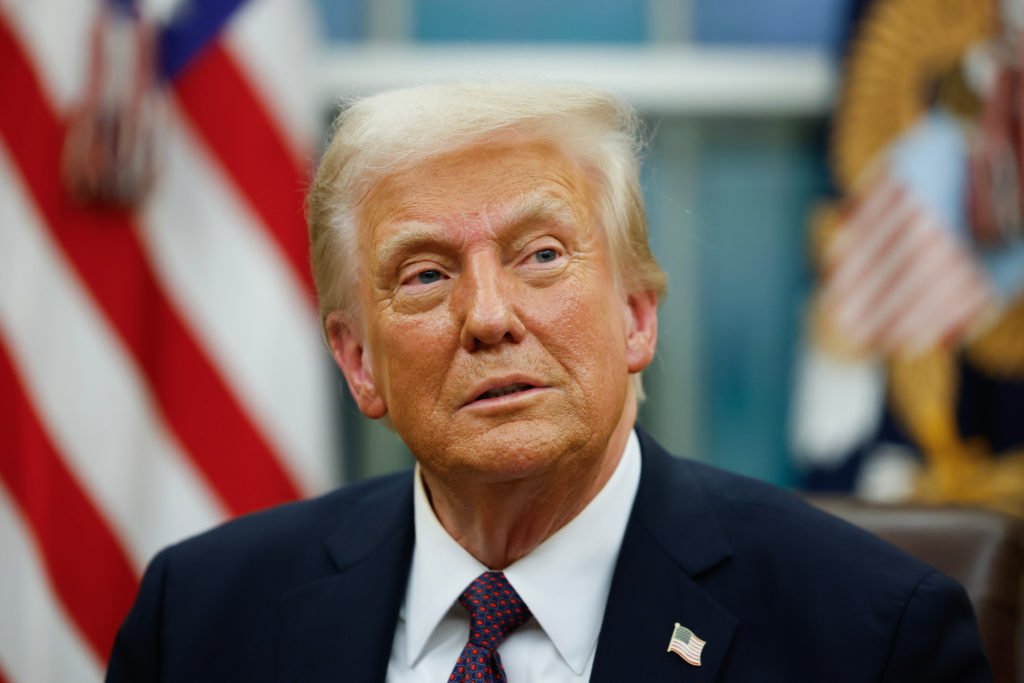
Mexico City — The U.S. government announced a 10% additional tariff on certain imports from Mexico, alleging they were produced with forced labor, just four days after President Donald Trump met with Mexican President Claudia Sheinbaum.
The measure targets products identified in investigations linked to alleged forced labor in their supply chains, in accordance with U.S. trade law.
The announcement comes while both countries were maintaining dialogue to strengthen bilateral relations on trade, security, and migration following the Trump-Sheinbaum meeting.
Mexico’s government has not yet issued an official response or indicated whether it will challenge the tariff under the dispute resolution mechanisms of the United States-Mexico-Canada Agreement (USMCA).
Experts say the tariff could hurt Mexican exporters whose goods fall under investigation and increase pressure on supply chains to demonstrate compliance with international labor standards.
The move is part of a broader U.S. strategy to restrict imports linked to forced labor, a policy that has recently targeted products from other countries as well.
The outcome will depend on U.S. investigations and Mexico’s efforts to verify labor compliance in affected sectors.
More Economy
- Playa del Carmen Taps HR Directors to Boost Local Hiring
- Mexico Hoteliers Warn of 1.1 Million Air Tourist Loss as U.S. Arrivals Slump
- Cancún’s Route 17 Leona Vicario Draws More Than 16,000 Riders on First Free Day
- FIRA Issues Mexico’s First Biodiversity Bond Worth Over 1.6 Billion Pesos
- Aeromexico Eyes New U.S. Routes After Mexico City Limits End