Merida, Yucatan — The explosive growth of industrial pig farms in Yucatan has prompted a UN Human Rights Council report warning of risks to the Maya Aquifer, the Ring of Cenotes and indigenous communities. The report recommends Mexico develop a socio-environmental justice plan to address the problem.
The findings come from Marcos Orellana, the UN special rapporteur on toxics and human rights, following an official visit to Mexico from March 9 to 20, 2026. Orellana visited Yucatan and met with authorities, civil society groups, community members, business leaders, academics and journalists.
More Than 500 Industrial Pig Farms
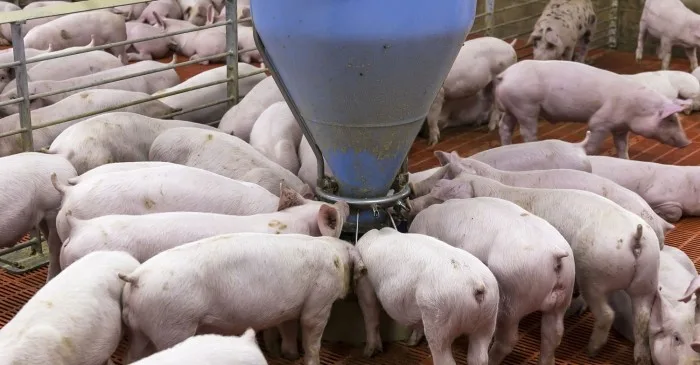
The report devotes an entire section to industrial animal farms, focusing on the Yucatan Peninsula. It notes that Yucatan is known for its biodiversity, karst soils, aquifers and a predominantly Maya population. But during the past decade, the number of industrial pig farms has grown “uncontrollably and exponentially,” Orellana said.
According to the report, more than 500 industrial pig farms now operate near indigenous lands and territories, and most lack environmental permits. The facilities generate large quantities of animal waste and wastewater contaminated with hormones and antibiotics. Many were installed without prior consultation, even in communities of around 1,500 residents, the report says.
The UN questioned the use of biodigesters as a solution, arguing the systems do not properly filter feces, urine, medications and hormones, meaning untreated waste can reach the Maya Aquifer.
The Yucatan government told Orellana it is working on integrated treatment systems using physical, biological and chemical processes to improve wastewater quality and comply with NOM-001-SEMARNAT-2021, the official Mexican water quality standard.
Ring of Cenotes Under Pressure
The report pays particular attention to discharges in aquifer recharge zones, especially within the Ring of Cenotes, a Ramsar wetland of international importance. In addition to water pollution, the farms generate methane emissions, and the report raises concerns about deforestation and a lack of transparency about their operations.
Orellana also noted the criminalization of community leaders who have organized against these facilities.
Santa Maria Chi: A Positive Precedent
The report directly addresses the long-running conflict in Santa Maria Chi, a community in Merida that for years denounced the impacts of a nearby pig farm. The UN considers the farm’s closure a positive step, noting that more than 41,000 animals were removed in May 2026 as part of the facility’s final shutdown.
However, the document warns the problem is far from over. “Many other industrial pig farms continue to operate despite the lack of environmental permits and prior, free, good-faith, culturally appropriate and informed consultation with indigenous peoples,” it says.
The report also says there is little clarity about temporary closure procedures and the fate of animals moved from closed facilities. It counts more than 20 injunction cases filed by communities.
Communities Report Illness, Stench and Pollution
Testimonies gathered during the visit highlight the conditions faced by residents near these complexes. For years, they have endured foul odors, round-the-clock noise, fly infestations and contamination of well water and air, the report says.
Given this situation, the UN suggests declaring a public health and environmental emergency, which could allow authorities to devote public resources to repairing damages and prevent future harm.
Orellana called it “imperative” to strengthen oversight and enforcement of these facilities and to suspend mechanisms that deter free expression and assembly, threaten environmental defenders or criminalize the Maya people.
Among his final recommendations, Orellana urges stronger coordination between federal and state authorities to tighten environmental controls on industrial pig farms, particularly regarding waste treatment that contaminates the Maya Aquifer. He also asks Mexico to establish a culturally appropriate socio-environmental justice plan developed in consultation with Yucatan’s population, especially the Maya people and those affected by the farms.
Such a plan, the report says, should include diagnostics, prevention and mitigation of harm, comprehensive reparation measures, adequate health care services, and mechanisms to track diseases linked to the problem.
The report’s broader conclusions warn that Mexico must urgently address the impacts of industrial animal operations and other pollution sources. The UN says a lack of action not only harms current generations but “mortgages the future of coming generations.”
More Environment
- Yucatán Suspends Classes in 27 Municipalities as Tropical Storm Isaías Nears
- Sheinbaum Acknowledges Little Progress in Talks With Vulcan Over Calica
- Quintana Roo Plans 4.4 Billion Peso Wind Farm in Othón P. Blanco
- Tulum Ranks Second as Mexico Claims Six Spots on Best Beaches List
- University of the Caribbean Unveils Crocodile Coexistence Manual in Cancún