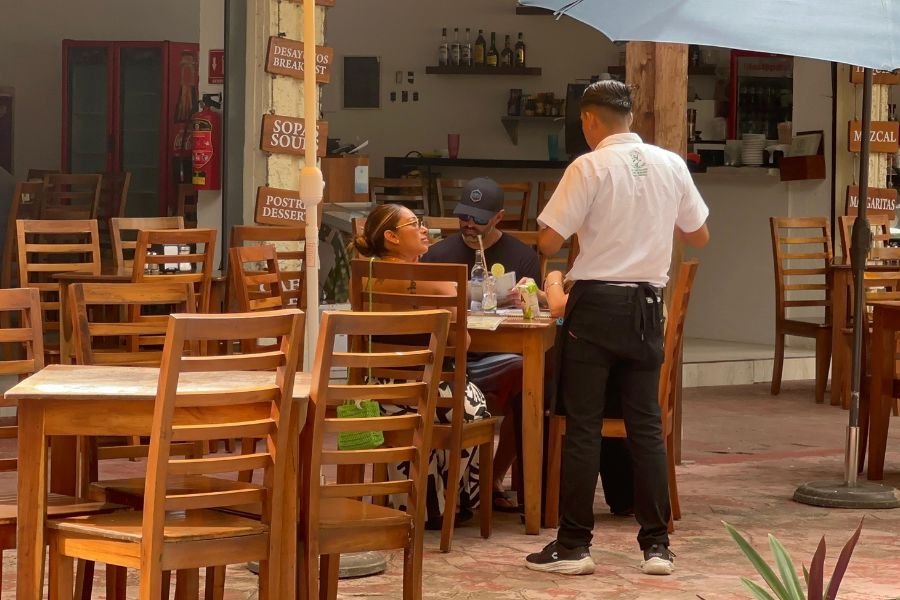
Tulum, Quintana Roo — Restaurant owners in Tulum are raising concerns over what they describe as increasingly burdensome health inspections, with some alleging that verification visits by COFEPRIS inspectors are being used to pressure businesses already struggling through a difficult tourism season.
The complaints surfaced publicly this week after local media and social media pages shared reports from restaurant operators who said they feared closures, fines or administrative proceedings over inspection requirements they consider excessive. Several business owners reportedly asked to remain anonymous out of fear of retaliation. According to local reports, some claimed establishments have been asked for as much as 20,000 pesos per month to avoid sanctions. Those allegations have not been independently verified.
The controversy intensified after a video circulated showing a COFEPRIS inspection at a Tulum restaurant. The owner of the business said he received a document listing 62 points subject to review, which he described as difficult, if not impossible, to fully comply with. He also clarified that, in his own case, no money was requested. However, he said stories of alleged irregular payments to avoid fines or closures are common among restaurant owners in the area.
COFEPRIS, Mexico’s Federal Commission for the Protection against Sanitary Risks, is responsible for health regulation and sanitary oversight in areas that include food and beverage establishments. The agency also publishes a self-verification guide for hygiene practices in food and drink service businesses, intended to help operators reduce risks tied to food preparation and conservation.
Restaurant owners are not objecting to health inspections themselves. Their concern, according to local accounts, is that minor observations, such as a stain on the floor, can allegedly trigger administrative processes that threaten the operation of the business. They are calling for federal authorities to review the procedures, clarify what is legally required, and ensure inspections are carried out transparently and without room for corruption or abuse of authority.
The complaints come as Tulum’s restaurant sector is already under financial pressure. In May, Canal 10 reported that some restaurateurs described sales drops of up to 60 percent, with between eight and 15 establishments reportedly closing due to economic difficulties. Business owners also cited continuing license costs and a lack of fiscal incentives as part of the strain.
The broader business climate in Tulum has been tense for months. In June, TV Azteca reported allegations from local business owners involving excessive charges, irregular administrative payments and cash demands tied to municipal procedures. Those complaints were separate from the current COFEPRIS allegations, but they point to a wider frustration among business owners who say the cost of operating in Tulum has become increasingly difficult to sustain.
Tulum has also been under scrutiny from federal consumer authorities. In late 2025, PROFECO carried out operations in the destination after complaints about excessive prices and lack of price transparency. The agency reported suspensions at several hotels and establishments for issues including failure to display prices, lack of terms and conditions, inducement of tips, missing receipts and menus or prices not properly presented in Spanish and pesos.
Those actions involved PROFECO, not COFEPRIS, and addressed consumer protection issues rather than sanitary compliance. Still, together they show the difficult balance now facing Tulum: authorities are under pressure to regulate a destination criticized for high prices and uneven service standards, while business owners say repeated inspections, paperwork, fees and alleged informal payments are pushing legitimate operators to the brink.
As of the latest local reports, COFEPRIS had not issued a public statement responding to the specific allegations from Tulum restaurateurs. The agency does maintain official channels for sanitary complaints, and its public information states that personal data from people filing complaints is considered confidential under transparency laws.
For now, the allegations remain unproven but serious. If verified, they would point to an abuse of regulatory authority at a time when Tulum’s restaurant industry says it can least afford it. If not, authorities still face the challenge of explaining inspection procedures clearly enough that businesses understand what is required, what is optional, and what should never involve a cash payment to an inspector.
Restaurant owners are asking for a simple guarantee: enforce the law, but do it clearly, fairly and without intimidation.
More Business
- Mexico’s Auto Exports Slump 12% as US Tariffs Take Toll
- Cancún Residents Demand Governor’s Intervention Over Alleged Land Fraudster
- Mexico’s Inflation Accelerates for a Second Straight Month to 3.45%
- Tren Maya Freight Project Targets 4.7 Million Tons by 2030
- Cancún Taco Festival Aims to Revive Local Economy in Low Season
More Tulum
- Hundreds of Riders Expected for Tulum’s Fourth Federated Horseback Ride
- Mexicana de Aviación Adds 24 Winter Flights to Tulum as Rivals Pull Out
- Screwworm Cases Detected in Two Dogs and a Horse in Tulum
- Punta Allen Road Rehabilitation Reaches 80 Percent Completion
- Tulum Warns Residents of Housing Scams Along Punta Allen Road