Cancún, Quintana Roo — Quintana Roo has recorded 159 cases of human trafficking involving women in the first eight months of 2026, nearly half of the 335 logged nationwide, according to the Executive Secretariat of the National Public Security System (SESNSP).
By age group, 72 of the victims were women between 30 and 60 years old, one was over 60, 51 were between 19 and 29, 22 were between 13 and 17, and 13 cases did not specify an age.
The state also has 182 open case files for corruption of minors and 43 for child pornography, offenses that specialists say reveal another dimension of the vulnerability facing children and adolescents.
No cases of sexual exploitation were formally reported in the state, but authorities and experts believe most, if not all, of the trafficking victims are also subjected to that crime. Juan Manuel G. Cruz, a legal specialist consulted on the figures, said the absence of formal complaints does not mean the crime is not occurring, given how difficult it is to detect and report. He warned that the indicators require stronger prevention, detection and protection mechanisms for minors, especially in tourist destinations that see high levels of movement in and out of the region.
Raid Near Cancún Bus Terminal
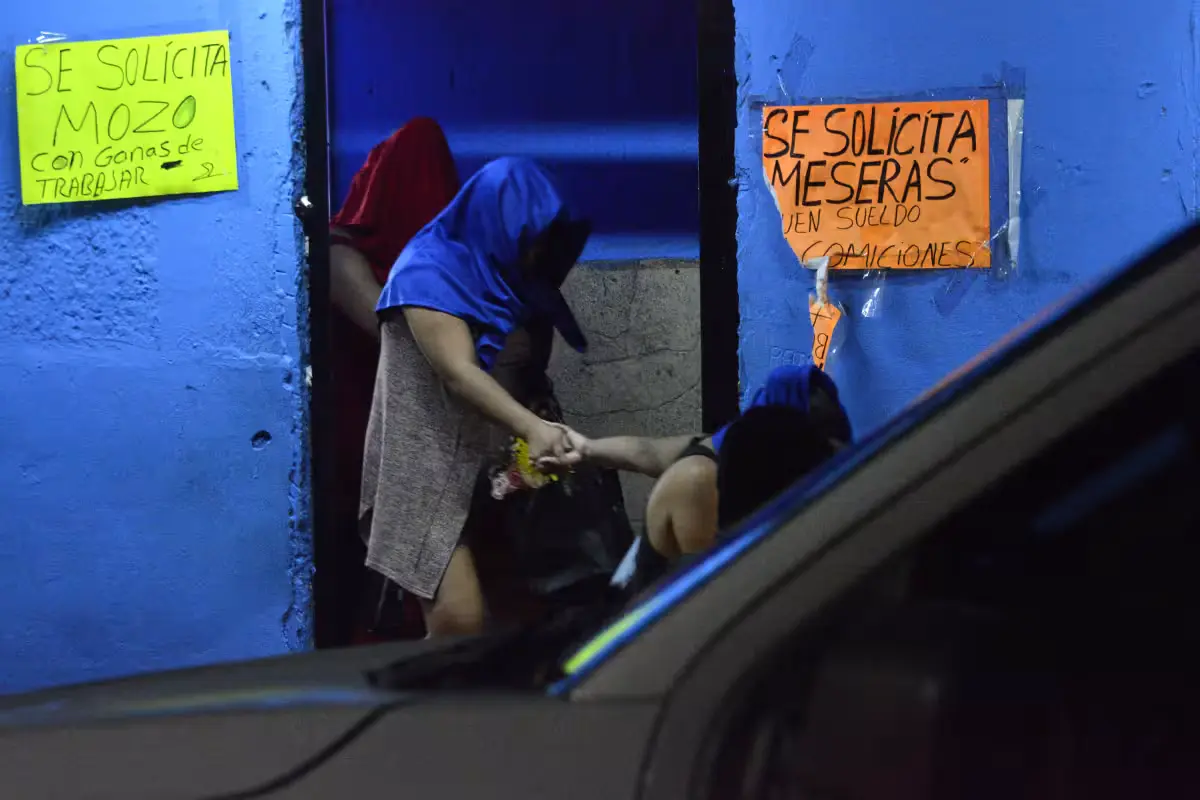
The problem resurfaced in Cancún with a raid on the restaurant “La Pasadita” on Chaca street in Supermanzana 23, a short walk from the ADO bus terminal. The State Prosecutor’s Office (FGE) carried out the operation with support from federal forces, including Mexican Navy personnel, as part of an investigation into possible trafficking of minors.
Five days later, the prosecutor’s office reported that six women — five Mexican and one Guatemalan — had been rescued as probable victims of trafficking in the form of forced prostitution. According to initial findings, the women were recruited by exploiting their vulnerable circumstances: they were single mothers with low levels of education. They earned 50 to 150 pesos per drink and offered sexual services for 500 to 1,500 pesos, half of which went to the manager of the establishment.
Investigators seized possible narcotics, condoms, a cellphone, notebooks, a smartwatch and clothing. The building was placed under guard and the women were taken to the prosecutor’s office to give statements.
Local business owners, who spoke on condition of anonymity, said shutting down venues tied to these activities is not always a lasting solution, adding that the businesses often reopen after short closures. The raided property was still closed as of last Tuesday.
Recruitment and Prevention
The prosecutor’s office has warned that overly attractive job offers are one of the main recruitment tactics used by trafficking networks.
Quintana Roo has also rolled out preventive measures. The state government announced a strategy with UNICEF called “Cero Tolerancia: Tarjeta Roja” (Zero Tolerance: Red Card), aimed at preventing, detecting and reporting child sexual exploitation, particularly in tourism settings.
The United Nations Office on Drugs and Crime has carried out its own work to identify trafficking risks within Mexico’s tourism sector and to strengthen detection at entry points and in travel-related services. Among the warning signs it recommends watching for are groups that repeatedly travel with minors, people under the control of third parties, and passengers who show signs of fear or appear to be following outside instructions.
The date carries particular weight: September 23 is the International Day against Sexual Exploitation and the Trafficking of Women, Girls and Boys. As authorities push prevention campaigns, the SESNSP figures place Quintana Roo in a position that goes beyond the state’s tourist image, leaving women, teenagers and minors especially exposed.
More Crime
- Judge Binds Over Driver in Fatal Cancún Motorcycle Crash
- US Seeks Deeper Security Ties With Mexico Without Intervention, Ambassador Says
- Explosion and Fire at OXXO Store in Puerto Morelos Leaves Worker Shaken
- Human Remains Found Near Ka’an Lu’um Lagoon in Tulum
- Authorities Seize Drugs, Detain Three in Two Cancún Raids
More Quintana Roo
- 40-Hour Workweek in 2027 Will Speed Up Robots and AI in Hotels, IMEF Says
- Quintana Roo Reports 282 Dengue Cases, Eight of Them Severe
- Lawmakers Propose One Tree Every 15 Meters in New Quintana Roo Developments
- INEGI Confirms Quintana Roo Surpasses 2 Million Residents
- Mexican Navy Opens Youth Photography Contest on Ocean Conservation