Puerto Morelos, Quintana Roo — A sustainable building material made from sargassum seaweed that has already built 21 homes for vulnerable families in Mexico is set to expand to Ghana, Africa, its creator announced.
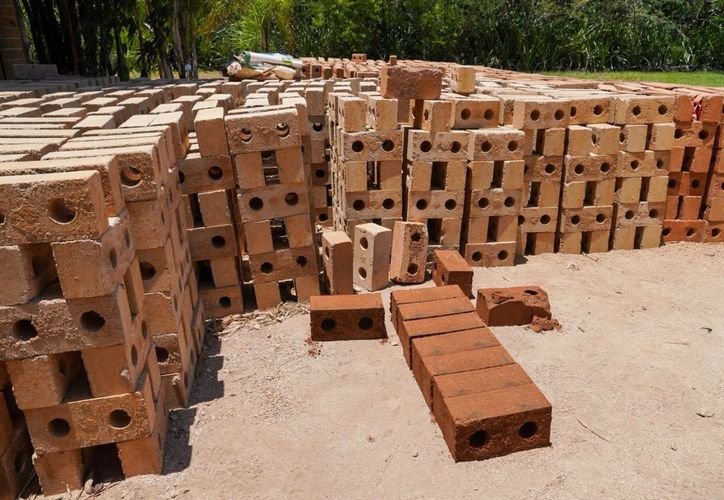
Sargablock, developed in Quintana Roo, uses 20 tons of wet sargassum to produce 1,000 blocks, reducing construction costs by 30% per square meter. The project has now formed strategic alliances with a Swiss firm to monetize carbon credits, paving the way for international expansion.
Omar Vázquez Sánchez, the project’s creator, said the goal is to replicate the model in Ghana, where massive sargassum arrivals affect over 1,000 kilometers of coastline. The initiative aims to provide affordable housing and social employment for communities lacking basic infrastructure.
Vázquez, a former migrant in the United States, returned to Mexico and founded a nursery in Puerto Morelos. After noticing the massive sargassum influx in 2015, he began cleaning beaches and initially processed the seaweed as a soil improver and fertilizer before developing the world’s first construction block made from sargassum.
The first home built with the technology, “Casa Angelita,” was constructed in Puerto Morelos in honor of his late mother. The house replicates the adobe architecture of his grandparents’ home in Ocotlán, Jalisco, demonstrating the material’s technical and residential viability.
Vázquez emphasized that the product’s true value lies in its social impact. The company employs young people struggling with addiction or depression in its collection and manufacturing processes, offering them a chance at personal and professional reintegration.
“Sargablock and I are a mirror. When people have addiction, depression, or alcoholism problems, we become a social, health, and economic problem. Sargassum does the same on the coasts. But just as God shaped my life to give it a different purpose, we did the same with sargassum: we shaped it to build something positive,” he said.
In 2020, Sargablock was recognized in Vienna, Austria, as the Sustainable Material of the Decade, and has received four awards in Japan focused on ocean-to-land circular economy.
More Environment
- Greenpeace Finds Contamination at 17 Yucatán Wells and Cenotes as Maya Communities Demand Action
- Quintana Roo Tops 152,000 Metric Tons of Sargassum as Playa del Carmen and Cancún Lead
- Profepa Shuts Down Los Rápidos Swimming Spot in Xul-Ha Over Missing Environmental Permit
- Court Gives Profepa 72 Hours to Clarify Tren Maya Closure Order
- National Geographic Names Maya Ka’an Among Top Destinations to Visit in 2027
More Quintana Roo
- Quintana Roo Beaches Lose Up to 14 Meters of Sand a Year as Restoration Plan Advances
- Quintana Roo Youth Sailors Join Mexico’s Team for Optimist Championship in Uruguay
- Mara Lezama Hands Out 100 Sewing Machines in Chetumal to Boost Women’s Self-Employment
- Tourism Slump Forces 35% of Skål México Businesses to Borrow to Cover Payroll
- Crystal Meth Addiction Surges in Quintana Roo, Fuels Nearly 90% of Homicides