Mexico City — A new report from the Centre for the Study of Democracy reveals how Russia, China, and Iran have deepened their influence in Latin America by cooperating with organized crime, using criminal networks to evade international sanctions and control strategic economic sectors.
The report argues that these authoritarian powers now treat organized crime not as a random phenomenon but as a functional tool to achieve geopolitical objectives. Criminal networks help shape political decisions and limit the strategic autonomy of Latin American states, the document says.
One highlighted case involves Antonio Rullán Dichter, who served as Russia’s honorary consul in Acapulco. His ties to “Los Rusos,” a drug trafficking gang, led the Mexican government to revoke his diplomatic status. Rullán has denied the allegations and defended his position at a recent event with the Russian ambassador.
The report notes that while each country uses different tactics, a common logic underlies their approach. China tends toward economic and political integration, Russia adopts a more aggressive stance, using organized crime as a weapon in hybrid warfare, and Iran, though less capable, operates through intermediaries to manage illegal money flows.
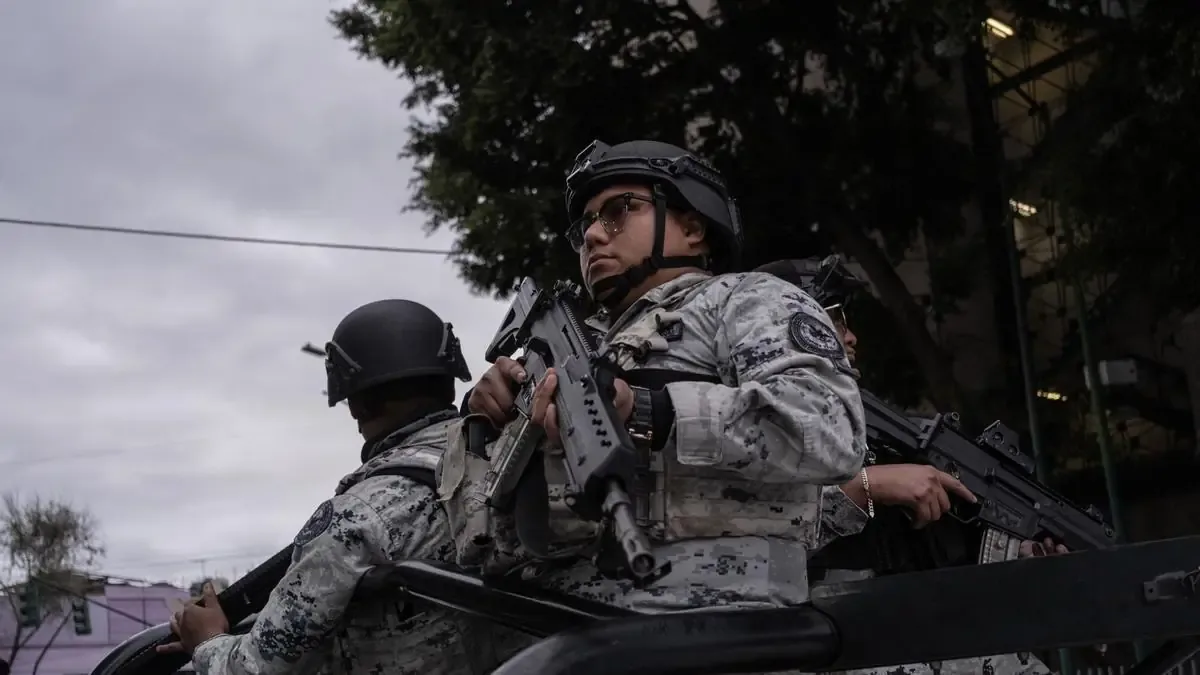
The report also highlights the proliferation of Russian weapons in Mexico, noting that more than 60% of seized armaments originate from Russia. Although the report does not directly implicate the Russian state, it suggests that existing ties strengthen criminal organizations. The phenomenon calls for a comprehensive review of security and governance strategies in the region, the report concludes.
More Crime
- Cancún Airport Transporters Blame ASUR for Steep Fees
- Five to Face Trial in Tulum Funeral Home Equipment Theft
- Quintana Roo Civil Protection Warns Against Fireworks Ahead of Independence Day
- Rising Crime Reports in Quintana Roo Signal Greater Trust, Official Says
- Armed Men Try to Abduct Woman on Cozumel; She Escapes on Her Motorcycle