
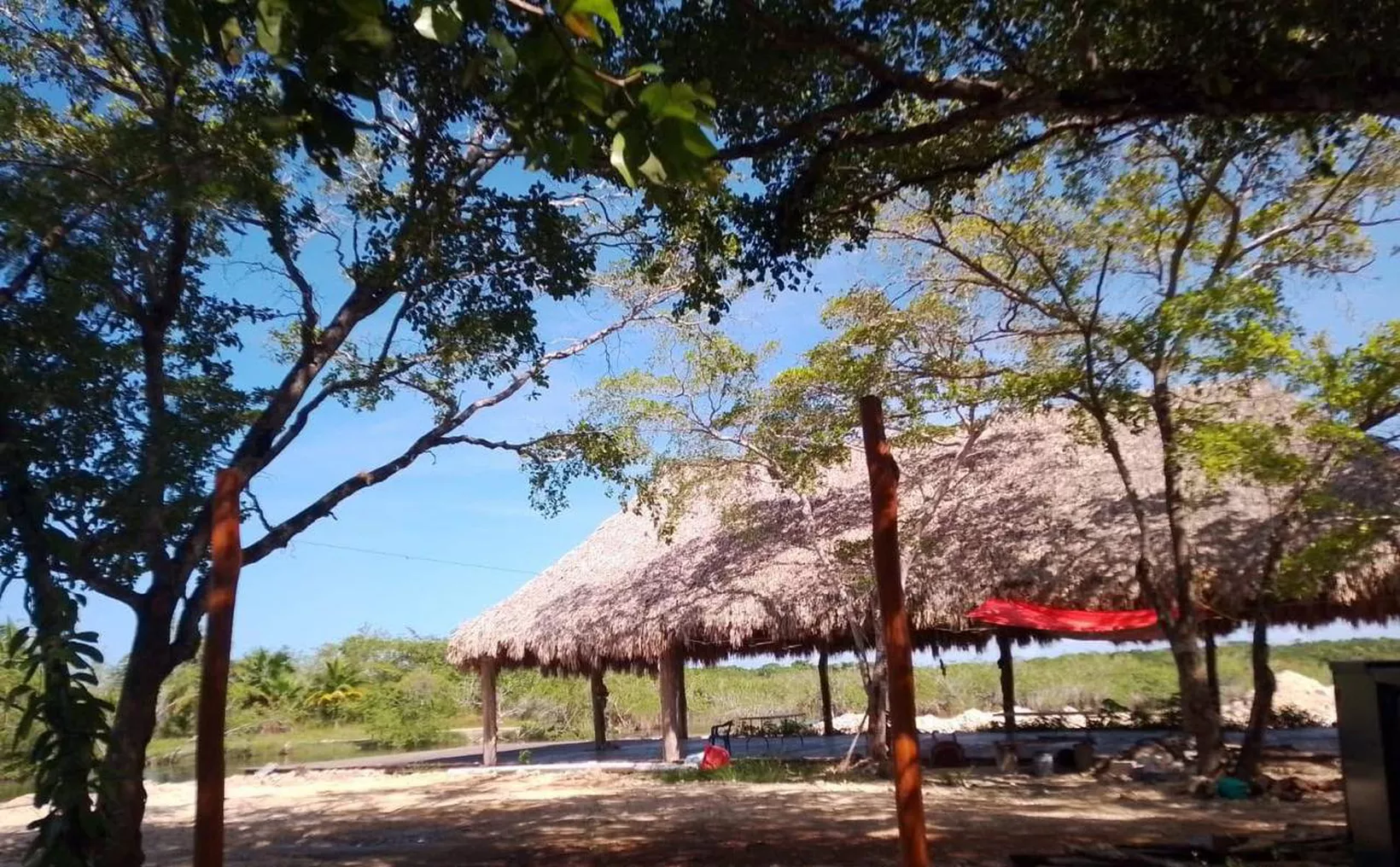
Cancún, Quintana Roo — The Quintana Roo Environmental Protection Agency (PPA) confirmed that there are currently no active construction works or violations of seals imposed earlier this year by the Federal Environmental Protection Agency (Profepa) in the Chac estuary area, following complaints about construction that endangered the ecosystem in the southern part of the state.
Alonso Fernández Lemmen Meyer, head of the PPA, stated that after the closure imposed by Profepa, the state agency maintains “strict surveillance” to prevent the continuation of work.
“After the closure by Profepa, there has been no continuation of the works that were being carried out there, nor have the seals been violated, as the PPA maintains strict surveillance in the area, so the works are halted,” he emphasized.
The official specified that Profepa has an open file on the property where there were allegedly attempts to fill part of the water body, which is vital for the region’s water dynamics.
He also indicated that he has maintained communication with the ejidal commissariat of Juan Sarabia, who have expressed opposition to any activity that threatens the estuary, as the wetland nourishes and sustains the community’s life.
“In meetings with the commissariat, they have explained that they are on the lookout for any work that affects the estuary,” he said.
It should be recalled that the works initially stopped following neighborhood complaints that alerted about constructions affecting the ecosystem. Among these activities were filling with sascab, construction of palapas, a cabin, and a wooden walkway or pier along the edge of the Chac estuary.
Profepa personnel returned to the site on lands of the Juan Sarabia ejido in July, and since authorization from Semarnat regarding environmental impact was not accredited, the security measure of total temporary closure of activities was imposed.
Although the PPA confirmed that the works are currently “halted” and under surveillance, reports from neighbors indicated in November that stealthy placement of grass had been observed at the site, and that some structures like palapas and the wooden walkway had been detailed or the closure tarps removed.
However, the Environmental Protection prosecutor explained that it appears to be a problem between private parties, who in a dispute “pit authorities against each other,” but with the aim of keeping the wetland unaffected.
Environmental groups have warned that filling in the Chac stream is a critical area as it is the outlet funnel of wetlands that flow into the Hondo River, and they hope authorities will apply the law to those responsible for ecocide.
More Business
- El 19, 3 Others Arrested in Puerto Morelos Extortion Case
- Chetumal Airport Customs Nears Full Operation Next Year
- Hotels in Cancún and Puerto Morelos Restore Coastal Dunes With Native Plants
- Quintana Roo Gains Power to Inspect Tourism Service Providers
- Quintana Roo Hoteliers Urge Action to Protect Mexican Caribbean Tourism Competitiveness
More Chetumal
- Former Quintana Roo Tourist Police Chief Bound Over for Trial in Human Trafficking Case
- Pre-Hispanic Frog Pendants From Tren Maya Route Shed Light on Ancient Maya Trade
- Quintana Roo Crews Clear 70,000 Liters of Water in Bacalar and Chetumal After Heavy Rains
- Nacional Monte de Piedad to Reopen Chetumal Branches on October 7
- Bacalar Hoteliers Push for More Flights at Chetumal Airport as Tulum Routes Shrink
