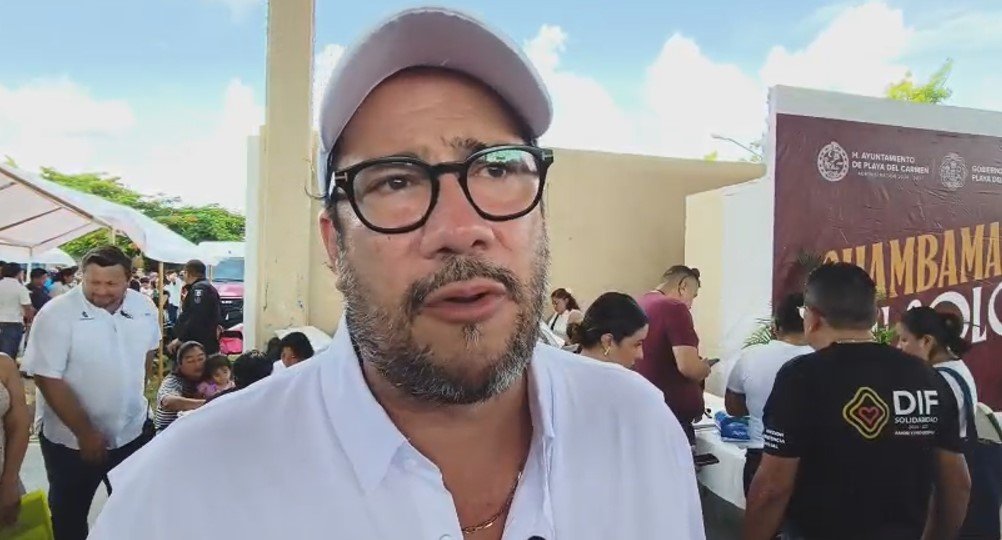
Playa del Carmen, Quintana Roo — The Playa del Carmen municipal government plans to direct money from its Environmental Sanitation Fee Trust toward a water quality study and monitoring program in 2027, a proposal that members of the trust have already endorsed, Municipal Treasurer Guillermo Brahms González said.
Brahms said the trust reviewed revenue collected so far in 2026, how the funds have been spent across projects, and the effect that sargassum seaweed has had on collections during its most recent meeting. The trust holds follow-up sessions monthly and has scheduled a final meeting in December to continue the financial review and map out projects for next year.
Water quality testing is the centerpiece of the 2027 proposals. Officials say the studies would provide data to assess conditions and guide future environmental cleanup efforts. Brahms said trust members approved the project but did not specify the budget for it or where samples would be taken.
Collections Top 500 Million Pesos as Vacation Rentals Join
The environmental sanitation fee has brought in more than 500 million pesos in 2026, paid by hotels and other lodging establishments that charge the fee to their guests. Brahms acknowledged that the arrival of sargassum has affected those collections but did not say how large the drop has been or how it compares with original projections.
Since September, the fee has also applied to guests staying in homes and apartments booked through vacation rental platforms. Municipal authorities estimate that segment could generate around 80 million pesos, though they did not specify the period covered by the projection or how much has actually been collected since the charge took effect. Adding vacation rentals broadens the taxpayer base for a fee that was previously collected mainly through hotels and other traditional lodging businesses.
No Rate Change for 2027 Beyond Indexing
Brahms said the municipal government does not plan to change the structure of the sanitation fee for the 2027 fiscal year. Only the annual adjustment to the UMA — the indexed reference unit used to calculate the charge — will apply, and it will be reflected in the municipal revenue law.
Because of that indexing, the peso amount visitors pay could still change even without an additional rate increase.
The water monitoring proposal carries weight in a municipality where urban growth, wastewater discharges and the fragility of the underground river system and cenotes pose persistent environmental challenges. Key details remain outstanding: the technical scope of the project, the indicators to be used, how often testing will occur, and how results will be made public. The trust is also expected to provide a more detailed accounting of how 2026 revenue was distributed and the financial toll of sargassum, to determine what share of the money will go to new sanitation projects next year.
More Environment
- Solar Project Near La Presumida Raises Deforestation Fears in José María Morelos
- Tulum Residents Report Wave of Suspected Dog and Cat Poisonings in La Veleta
- Mexican Army Seeks Environmental Approval for Parking Lot at Tulum’s Parque del Jaguar
- Farmer Warns Climate Shifts Are Making Agriculture Unviable in Tulum’s Maya Zone
- Tulum Leaves Its Dive Tourism Gold Mine Unclaimed, Promoter Says
More Playa del Carmen
- Quintana Roo Launches Digital Procedures Platform With 11 Online Services
- Playa del Carmen to Host Night of the Stars Science Festival on Nov. 14
- Cancún Restaurateurs Urged to Report Extortion After Playa del Carmen Gang Is Busted
- Community Program Reclaims 18 Public Spaces in Cancún, Playa del Carmen and Cozumel
- Santino Beach Club Opens on Playa del Carmen’s Calle 28, Taking On Mamita’s and Lola