Mexico City — Luxury modes of transport — private jets, superyachts, and high-end cars — are among the most polluting forms of conspicuous consumption and should face a special tax to discourage their use and offset their environmental impact, according to a report released Tuesday by Oxfam Mexico.
The report, titled “Let Luxury Pay Its Fare,” argues that these vehicles are used only by a “carbon aristocracy” and are responsible for extremely high energy consumption based on the intensive and inefficient use of fossil fuels.
Oxfam estimates that Mexico has 1,847 private jets, 1,796 luxury yachts, and 417,740 high-end cars.
Private jet flights, the report warns, are between 5 and 14 times more polluting per passenger than commercial flights. Mexico, it notes, competes with Brazil for the second-highest number of private jets in the world.
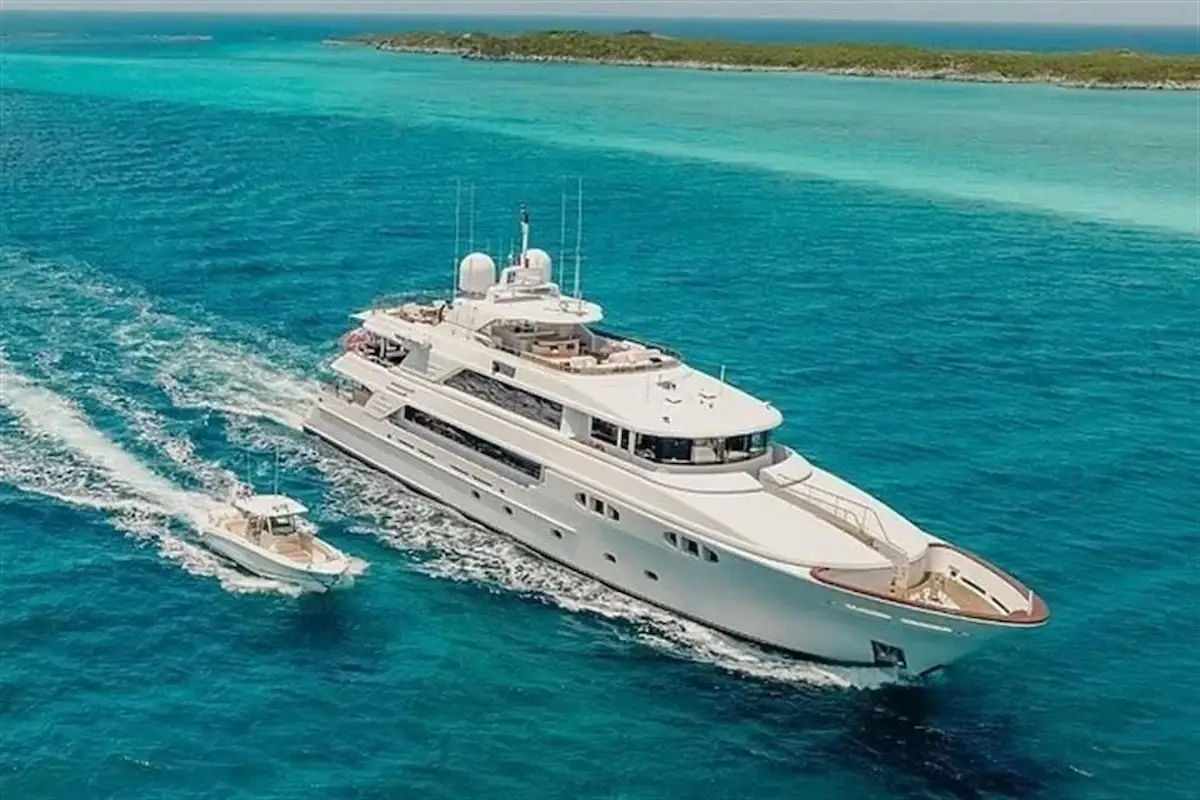
A megayacht with a permanent crew, helipad, submarines, and pools can emit around 7,020 tons of carbon dioxide (CO2) per year, the report adds.
Luxury land vehicles, such as SUVs, are far more polluting than regular cars, the report states.
“If the total CO2 emitted by SUVs worldwide were compared to a country’s emissions, this type of vehicle would be the fifth-largest global emitter, surpassing Japan,” the report warns.
Furthermore, Oxfam says luxury transport pays very little for its use of public infrastructure.
“Registering a luxury vessel costs just over 17,600 pesos, with no progressive criteria based on the size or luxury of the vehicle. Regarding port infrastructure fees, in Cozumel, for example, the daily charge is 20 pesos per foot of length, while in countries like the United States or Italy the fee is up to 240 times higher,” the report details.
“For air transport, the Federal Rights Law and the Civil Aviation Law do not distinguish between commercial and private flights for the collection of flight authorization fees, and in fact exempt private aircraft from paying fees for flight permits.”
Oxfam proposes a series of measures to tax luxury transport, with a potential revenue of between 30.5 billion and 234.8 billion pesos annually.
These include reforming the Tax on New Cars (ISAN) to extend its reach to aircraft and vessels; increasing fees charged to private aircraft for the use of airport infrastructure, as well as port fees and docking charges for yachts and luxury vessels; and creating a new Tax on Selected Luxury Items inspired by the Canadian model.
More Lifestyle
- Cancún Opens Registration for Janal Pixan 2026 Catrina and Altar Contests
- Brain-Eating Amoeba Found in Six Artificial Lakes in Mérida; Water Contact Restricted
- Cancún Launches 2026 Ocular Prosthetics Program With Free Evaluations
- Playa del Carmen Health Center in Villas del Sol to Close Two Days for Maintenance
- Tulum’s Mureco Museum Adds 53 Archaeological Pieces From Across Mesoamerica