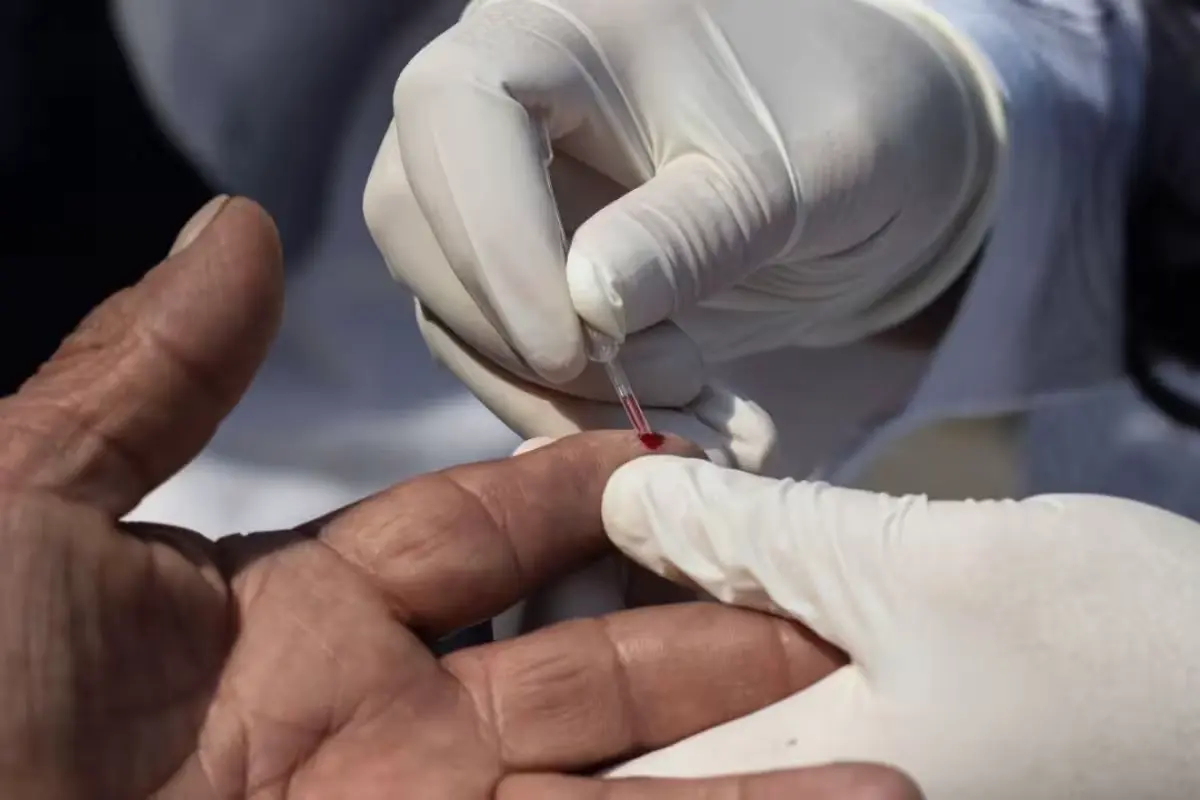
Mérida, Yucatán — HIV diagnoses continue to climb in Yucatán, with 327 new cases confirmed in the first half of 2026 — a 25.8% increase over the same period last year, according to the latest epidemiological bulletin from Mexico’s National Epidemiological Surveillance System (Sinave).
The figure represents 67 more cases than the 260 reported between January and June 2025. As of July 4, Yucatán ranked second among the three Yucatán Peninsula states in new diagnoses, trailing Quintana Roo (515 cases) but ahead of Campeche (72 cases). The region remains one of the highest-incidence areas for new HIV infections in southeastern Mexico.
The epidemic continues to disproportionately affect men. Of the 327 confirmed cases in Yucatán this year, 293 were male and 34 were female — meaning nearly nine out of every 10 diagnoses were in men.
Health experts note that the increase in diagnoses may partly reflect expanded testing coverage, but the sustained upward trend also underscores that HIV remains a major public health challenge in the state. Specialists are calling for strengthened prevention campaigns, broader access to rapid testing, and efforts to reduce the stigma that still prevents many people from seeking timely diagnosis.
Nationally, Sinave reported 8,589 confirmed HIV infections during the first 26 weeks of 2026, up from 8,311 in the same period of 2025.
More Lifestyle
- FPMC Opens Txepo’s Art + Architecture Dreamscape in Cozumel
- Otoño Cultural 2026: Free Concerts, Butoh Dance and Electronic Music in Mérida
- Yucatán Congress Committees Advance Guayabera and Temozón Smoked Meat as Cultural Heritage
- Cancún Fumigates Cemeteries to Curb Dengue Ahead of Day of the Dead
- Student Hospitalized After Alleged Drug Intoxication at Playa del Carmen Middle School