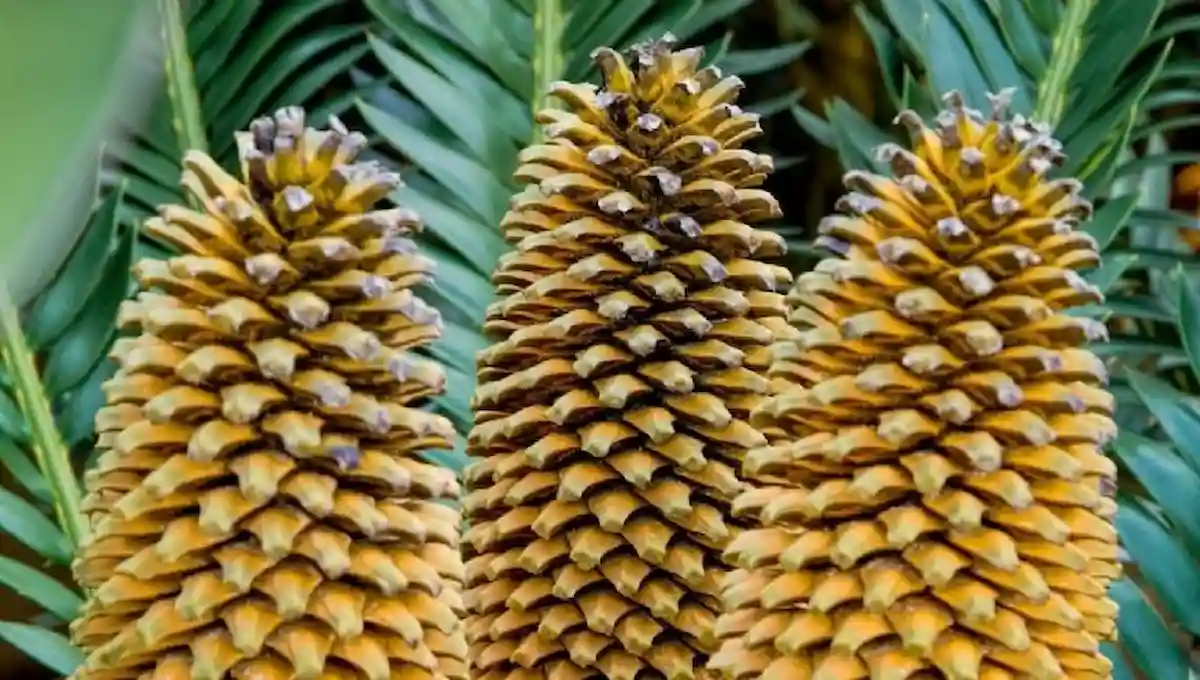
Mexico City — Owning certain plants in Mexico can carry serious legal consequences. Under the Federal Criminal Code, people caught with protected cycads — palm-like plants that do not flower — without documentation proving their legal origin face fines of more than 300,000 pesos and up to nine years in prison.
Cycads are slow-growing species related to pines and can take 10 to 15 years to mature. In Mexico, they are commonly sold for between 1,000 and 4,000 pesos, but they are listed as threatened or endangered under NOM-059-SEMARNAT-2010, the official standard that protects at-risk wildlife.
Because of that designation, possessing a cycad without the required paperwork is a federal crime. The penalties fall under two legal frameworks.
Environmental fines
Mexico’s environmental enforcement agency, PROFEPA, can impose fines under the General Wildlife Law. Penalties range from 50 to 50,000 UMAs — the unit of measure used for legal fines in Mexico — equivalent to between 5,865 and 5,865,500 pesos.
Criminal penalties
Article 420 of the Federal Criminal Code sets a prison sentence of one to nine years for possession of protected species without legal documentation. The same article imposes a financial penalty of 300 to 3,000 days of income, which amounts to between 35,193 and 351,930 pesos.
More Law Enforcement
- Man, 25, Killed Outside Cancun Home; Dog Shot, Suspect Caught
- Uber Driver Murdered in Cancun’s La Joya: What We Know
- Ejido Residents Block Federal Highway in Quintana Roo Over Unpaid Land Compensation
- 23 Tulum Police Officers Complete Initial Training Course
- Four Cuban Nationals Arrested in Cancún Over Counterfeit Banknotes