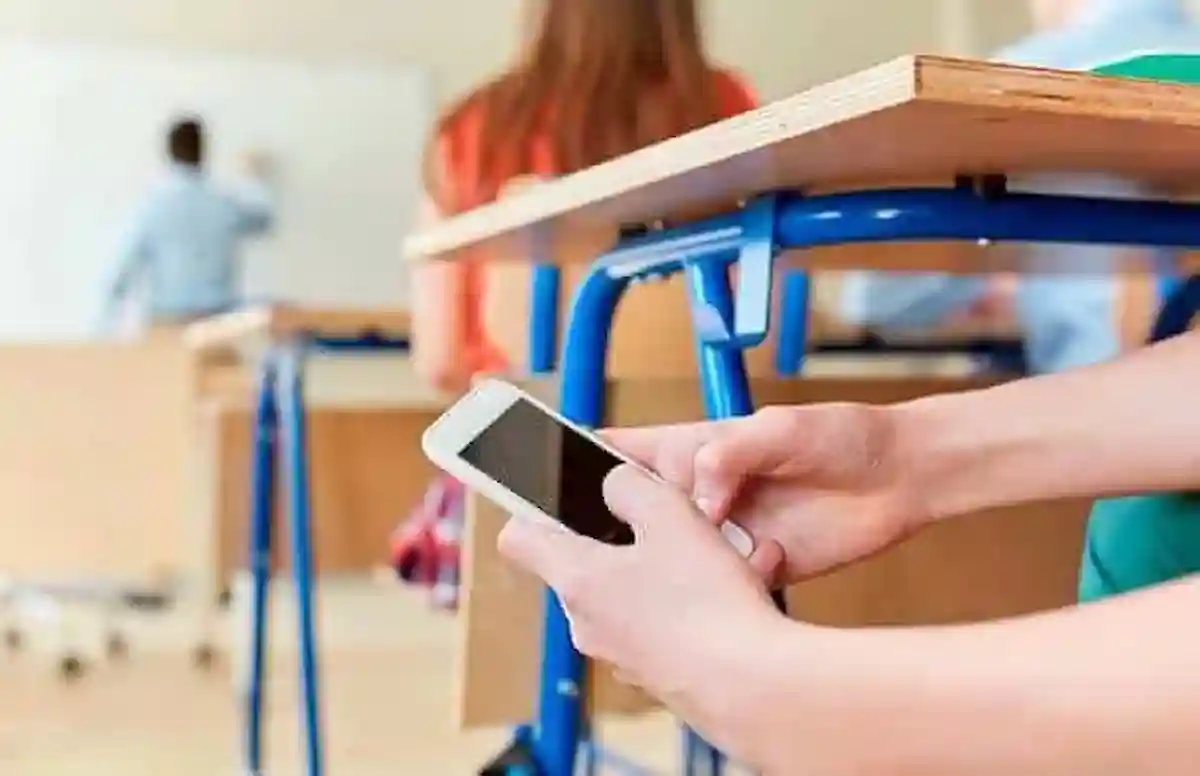
Mexico City — Mexico’s Secretariat of Public Education (SEP) is reviewing new rules that would restrict cellphone and digital device use in schools, with regulations adapted to students’ age, after teachers proposed clear limits and protocols to prevent risks linked to phones, social media, and digital platforms.
The proposal was examined by the SEP and education authorities from all 32 states during the Second Extraordinary National Plenary Meeting of the National Council of Education Authorities. Officials presented results from the National Consultation on the Use and Regulation of Digital Devices, carried out with teachers before the 2026-2027 school year.
“We want to prevent the indiscriminate use of these devices from affecting fundamental activities for children and adolescents, such as playing during recess, developing socio-emotional skills, and interacting with their classmates,” said Education Secretary Mario Delgado Carrillo.
Teachers who took part in the consultation said any regulation should consider students’ age and include mechanisms to prevent and address risk situations associated with digital devices and social networks. They also called for involving parents and caregivers through agreements and materials that establish similar criteria both inside and outside schools.
The discussion also drew on data from forums about the effects of technology and social media on minors. Ricardo Villanueva Lomelí, undersecretary of higher education, noted that 33% of Internet users worldwide are minors, while in Mexico 95% of adolescents aged 12 to 17 have access to the Internet.
Alongside the cellphone debate, education officials reviewed the rollout of “El ABC de las Emociones,” a strategy aimed mainly at third-year secondary school and high school students. It includes materials on socio-emotional well-being, self-care, identifying emotions, and conflict resolution within school communities.
For its implementation, 16 million printed guides will be distributed: 7.5 million to students, 7.5 million to parents, and 1 million to teachers, along with 250,000 posters about mental health care.
Starting September 23, public servants are expected to step up their presence in schools to support reading, reflection, and socio-emotional activities. Digital materials, guides, and teaching interventions will remain available on the SEP’s portal for the strategy.
More Government
- Mexico Deputies Approve 2027 Federal Law of Rights
- Heavy Rains to Soak Quintana Roo as Unstable Weather Moves In
- Brain-Eating Amoeba Found in Six Artificial Lakes in Mérida; Water Contact Restricted
- Cancún Launches 2026 Ocular Prosthetics Program With Free Evaluations
- Semarnat Approves Artificial Reefs and Sand Relocation for Akumal Hotel