
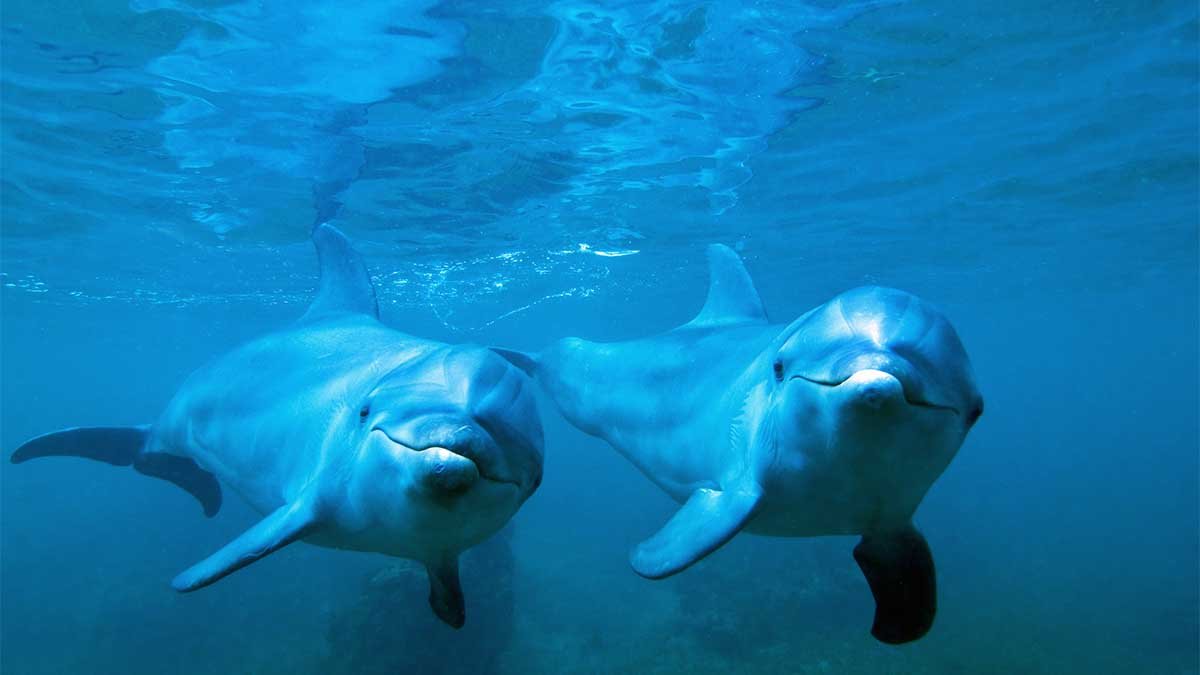
Cancún, Quintana Roo — Nine dolphins seized from a shuttered dolphinarium in Cancún’s hotel zone remain in captivity six months after the facility was closed, highlighting the complex legal and logistical challenges surrounding marine mammal captivity in Mexico.
The animals are still housed in facilities adjacent to Ventura Park, where they continue to receive veterinary care and daily monitoring. According to Mexico’s Procuraduría Federal de Protección al Ambiente (PROFEPA), several of the dolphins were already in poor health before the site was shut down in October 2025.
Why the Dolphinarium Was Closed
The dolphinarium, operated by Dolphin Discovery, was closed following an enforcement action tied to alleged irregularities in animal care and facility conditions. The seizure came amid growing scrutiny of dolphinariums across the Riviera Maya, where captive dolphin programs have long been a major tourism draw but increasingly controversial.
The closure also coincided with broader regulatory pressure. In recent years, Mexico has strengthened protections for marine mammals under reforms to the Ley General de Vida Silvestre, which restrict breeding, capture, and commercial exploitation of dolphins. While existing facilities are allowed to continue operating under certain conditions, authorities have stepped up inspections and enforcement, particularly in Quintana Roo.
Why the Dolphins Cannot Be Moved
Despite the closure, relocation has proven far more complicated than it might seem.
PROFEPA officials say transferring dolphins requires highly specialized protocols, including medical stabilization, transport conditioning, and identification of appropriate receiving facilities. Moving animals in compromised health can be fatal, particularly for dolphins accustomed to specific water conditions and controlled environments.
There are also limited options for relocation. Sanctuaries capable of receiving dolphins—especially those born or long kept in captivity—are scarce. Unlike wild animals, these dolphins cannot simply be released into the ocean, as they lack the survival skills needed to hunt, navigate, and integrate into wild populations.
Ventura Park and the Current Situation
The dolphins remain in pools adjacent to Ventura Park, which has been largely shuttered since the dolphinarium’s closure. While the park itself has faced operational challenges in recent years—including declining attendance and pandemic-related disruptions—the dolphin facility’s shutdown effectively halted one of its main attractions.
Despite this, authorities stress that the animals are not abandoned.
“They receive food, permanent water quality monitoring, and specialized veterinary care,” PROFEPA stated.
The dolphins are currently being cared for by trained staff, including veterinarians and animal handlers who previously worked at the facility. Oversight now involves federal authorities, with additional coordination from the Quintana Roo Secretariat of Ecology and Environment.
Who Is Paying for Their Care?
One of the less visible but critical questions is funding.
While officials have not publicly detailed the full financial arrangement, cases like this are typically handled through a combination of operator responsibility and federal oversight. Dolphin Discovery, as the operator under investigation, may still be required to cover ongoing care costs as part of the administrative process, while authorities ensure compliance and animal welfare standards are maintained.
These costs are significant, as dolphins require constant feeding, medical attention, and highly controlled water systems.
A Broader Debate in the Riviera Maya
The situation reflects a wider debate playing out across Cancún, Playa del Carmen, and the Riviera Maya.
For decades, dolphinariums have been a staple of the region’s tourism industry, offering close-up experiences that generate substantial revenue. However, environmental groups and animal welfare advocates have increasingly challenged these practices, arguing that captivity—especially in small enclosures—can lead to stress, illness, and reduced lifespans.
High-profile incidents, including dolphin deaths and facility closures, have intensified scrutiny in recent years. At the same time, the push for stricter regulation has created uncertainty for operators and raised complex questions about what should happen to animals already in captivity.
What Happens Next
An administrative proceeding remains ongoing against those responsible for the dolphinarium, and authorities say relocation will only occur once the animals are stable enough to be moved safely.
For now, the dolphins remain in a kind of legal and logistical limbo—caught between a system that is tightening regulations on captivity and a reality where viable alternatives are still limited.
As Mexico continues to redefine its approach to wildlife protection, cases like this are likely to become more common, raising difficult questions about responsibility, ethics, and the future of animal-based tourism in the region.
More Business
- Mexico’s Auto Exports Slump 12% as US Tariffs Take Toll
- Cancún Residents Demand Governor’s Intervention Over Alleged Land Fraudster
- Mexico’s Inflation Accelerates for a Second Straight Month to 3.45%
- Tren Maya Freight Project Targets 4.7 Million Tons by 2030
- Cancún Taco Festival Aims to Revive Local Economy in Low Season
More Cancun
- Cancún Advances Yaxchilán Revitalization With Pedestrian Corridor to Avenida Nader
- Mexico’s 911 Centers Explore AI to Speed Up Emergency Response
- Quintana Roo Education Official Reported Missing in Cancún, Found Hours Later
- Cancún Business Council Launches Push to Diversify Quintana Roo’s Economy Beyond Tourism
- Power Outage in Chetumal Forces Closure of Quintana Roo Labor Courts
