
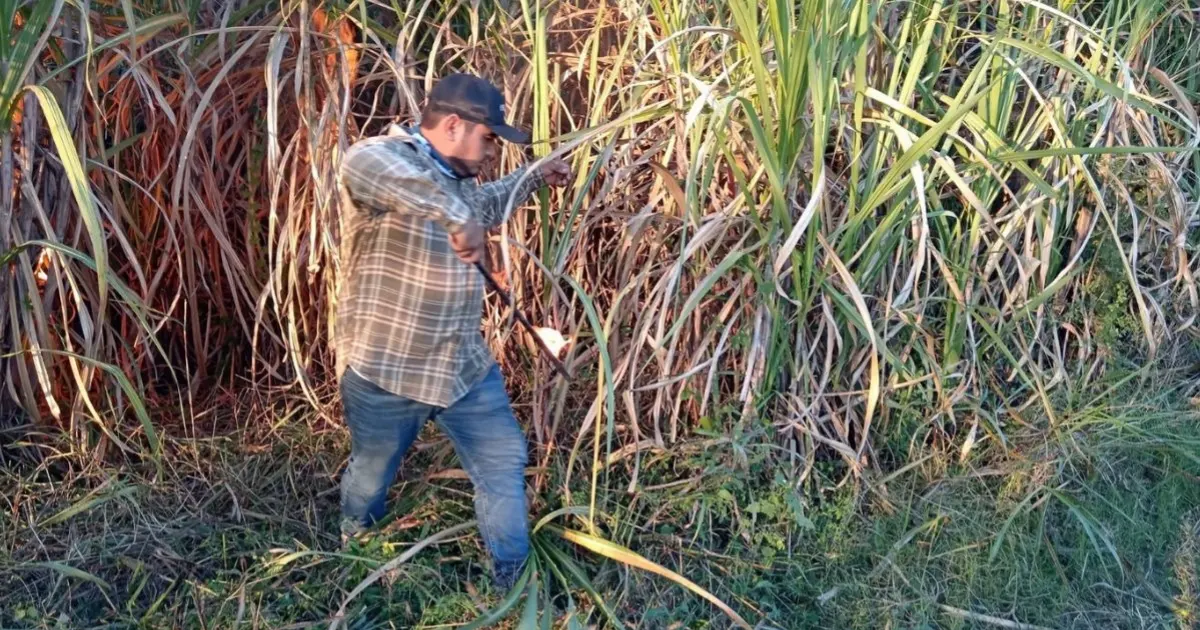
Chetumal, Quintana Roo — Sugarcane workers along the Ribera del Río Hondo are abandoning the informal harvest work to join construction crews on the Tren Maya, according to Narciso Alpuche, an ejido leader from Pucté.
In a telephone interview, Alpuche said that while sugarcane cutting once paid well, torrential rains in recent years have devastated crops and slashed the price paid per meter of harvested cane. Each ejido landowner sets their own rate, and without standardized wages across the industry, the work is no longer profitable, he explained.
The final blow came when Tren Maya contractors began offering wages that far exceeded what cane cutters and truckers could earn. Many laborers demanded their pay be matched, but landowners could not comply.
“We pay above the minimum wage depending on the job and responsibilities, but I can’t match the daily wage they offer,” Alpuche said. “So people started leaving.”
Truck drivers also joined the exodus, drawn by simpler work with legal benefits.
The shift has taken a toll on the 2025-2026 harvest in the Ribera del Río Hondo. The season ended with 1,120,562 tons of cane milled over 171 effective days, with a preliminary KARBE (sugar yield index) of 105.121. Alpuche said rains prevented the harvesting of about 1,000 tons that remained in the fields, while fusarium fungus, mealybugs, drought, and climate change kept production below the target of 1.2 to 1.25 million tons.
With a KARBE of 105.121 and a contracted sugar price of 14,400 pesos per ton, Quintana Roo cane producers will receive roughly 864 pesos per ton of cane, though final adjustments are pending.
Alpuche said the definitive KARBE will be announced in the coming weeks, after which payment to producers will begin for what he called a very difficult harvest cycle.
More Local News
- Hundreds of Riders Expected for Tulum’s Fourth Federated Horseback Ride
- Quintana Roo Riders Resume ‘Vest Law’ Talks, No Protests
- Cancún Residents Demand Governor’s Intervention Over Alleged Land Fraudster
- Quintana Roo Plans Two Wastewater Plants and Two Aqueducts for Cancún and Playa del Carmen
- Playa del Carmen Ranks Second in HIV Cases in Quintana Roo, Official Says
